10 Best Reishi Mushroom Extract Suppliers for Wholesale?
Choosing a dependable Reishi Mushroom Extract supplier requires more than comparing prices or attractive product photos. Wholesale buyers need consistent quality, clear documentation, and practical delivery support. This guide examines ten suppliers through those real purchasing concerns, not promotional claims alone.
Each supplier is reviewed for extraction methods, mushroom origin, extract ratios, beta-glucan information, and available triterpene data. We also consider certificates of analysis, batch testing, heavy metal screening, pesticide checks, and microbiological controls. Small details matter. A properly sealed pouch, readable lot number, and stable shipping date can prevent costly confusion later. Manufacturing standards, such as GMP or ISO-based systems, provide useful evidence, but certification should never replace independent verification.
Commercial terms also deserve attention. Minimum order quantities, private-label options, lead times, sample policies, and export documentation can strongly affect a buyer’s decision. A low quotation may become expensive when testing, freight, or custom packaging is added. Supplier communication matters, too. Clear answers usually reveal more than polished brochures.
No supplier fits every business. Some may offer stronger laboratory records, while others provide better flexibility for smaller wholesale orders. Even experienced buyers can overlook an unclear assay method or an incomplete specification sheet. That weakness deserves reflection. This comparison therefore treats supplier rankings as a practical starting point, not a permanent judgment. Buyers should request current documents, verify product claims, and confirm compliance with applicable food, supplement, labeling, and import requirements before placing a large order.
Wholesale Reishi Extract Market: Key Quality Metrics and 2026 Benchmarks
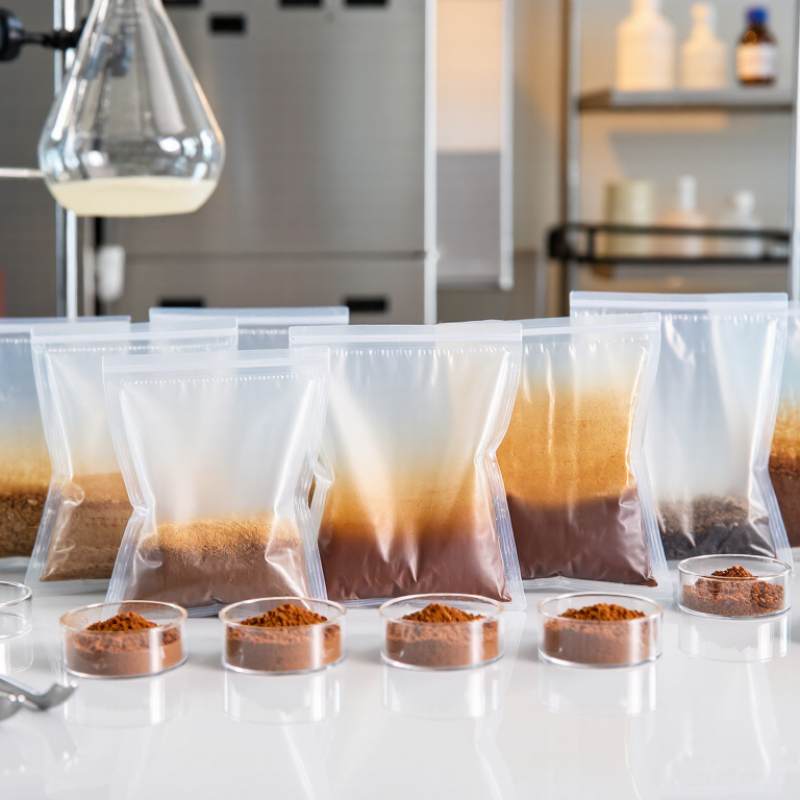
Wholesale reishi extract buying is moving toward measurable specifications, not attractive cultivation stories. Market estimates remain inconsistent. Grand View Research valued the broader medicinal mushroom market at about USD 27 billion in 2023. FAOSTAT recorded more than 48 million tonnes of mushrooms and truffles globally in 2022, showing supply scale but not extract quality. That distinction matters. Reishi volume alone cannot validate potency.
For 2026 purchasing, buyers should request beta-glucan results, triterpene results, moisture, microbial counts, and heavy-metal screening. A practical benchmark is at least 20% beta-glucans, although testing methods can produce different readings. Triterpenes deserve separate reporting, because “total polysaccharides” may hide weak triterpene content. Extract ratios, such as 10:1, are useful process details, not proof of effectiveness. Numbers can mislead.
Each wholesale lot should include a dated certificate of analysis, batch traceability, botanical identity, and an independent laboratory report. DNA authentication can support identity, while HPLC testing offers stronger triterpene verification. Residual-solvent results should match the extraction method. Microbial limits should follow the destination market’s requirements. A 2024 review from the International Organization for Standardization also reinforces the need for controlled sampling and validated analytical procedures. Suppliers unable to explain sampling deserve caution. Traceability matters. Experienced buyers should compare three consecutive batches, not one impressive sample. Even then, the benchmark remains provisional because global testing methods are not fully harmonized.
10 Best Reishi Mushroom Extract Suppliers for Wholesale?
Wholesale Reishi Extract Market: Key Quality Metrics and 2026 Benchmarks
The chart presents practical 2026 wholesale screening benchmarks for bulk reishi extract. Beta-glucan and triterpene levels are shown as minimum specification targets, while moisture is shown as a maximum target. Identity testing and batch traceability are procurement requirements rather than chemical concentration limits. Actual specifications may vary by extraction method, regulatory market, and finished-product format.
Beta-glucans
Target: ≥20%
Triterpenes
Target: ≥2%
Moisture
Target: ≤8%
Identity testing
Required: 100%
Batch traceability
Required: 100%
Ranking 10 Suppliers by β-Glucans, Triterpenes, and COA Transparency
Choosing among the 10 best reishi mushroom extract suppliers requires more than comparing price or extract ratios. The ranking should give β-glucan content the strongest weight, because it reflects meaningful polysaccharide concentration. Triterpene results deserve separate attention. A dark powder does not prove high potency. Suppliers should identify fruiting bodies, extraction methods, and the exact test units used.
A reliable COA includes the batch number, production date, laboratory name, and test method. Look for β-glucan testing by validated enzymatic analysis, plus triterpene testing through HPLC or an equivalent method. Strong documentation also covers heavy metals, microbial limits, pesticides, moisture, and identity testing. COAs should match the purchased lot, not a generic sample. That detail often gets missed.
During wholesale screening, I would inspect ten suppliers using a simple weighted score:
40% β-glucans, 30% triterpenes, and 30% COA transparency.
Extraction temperature, solvent choice, and storage conditions can change the final profile. Ask whether the product contains mycelium, starch, or undeclared carriers. Some suppliers provide impressive numbers but weak traceability. Others offer honest reports with modest results. That difference matters.
No ranking stays perfect. Testing standards change, and supplier documents can become outdated. Buyers should request fresh records before placing a large order.
Supplier Profiles: Extract Ratios, Certifications, MOQ, and Lead Times
For a wholesale list of ten reishi mushroom extract suppliers, compare evidence before pricing. Grand View Research’s 2024 medicinal mushroom analysis forecasts strong market growth through 2030, increasing pressure on suppliers to prove consistency. Request the Latin species name, growing substrate, extraction solvent, and batch-specific certificates. A stated 8:1 extract ratio means little without raw-material weight and yield records. Standardized beta-glucan levels are more useful than ratio claims alone.
Certification details deserve close inspection. Look for current GMP, HACCP, ISO 22000, organic certification where relevant, and independent testing for heavy metals, microbes, pesticides, and adulteration. USP quality guidance emphasizes identity, purity, strength, and composition testing for botanical ingredients. Ask whether laboratories use validated methods, not only attractive certificate templates. Small details matter. One supplier may offer a 25-kilogram MOQ, while another requires a full pallet. Confirm packaging, shelf life, storage temperature, and whether samples come from production batches.
Lead times commonly range from two to eight weeks, but cultivation and testing can extend schedules. A supplier promising five-day dispatch should explain inventory controls. Check three recent batch records, not one perfect sample. This takes time. Supplier profiles should also disclose payment terms, replacement policies, and traceability from farm to finished extract. Industry reports often provide useful market direction, yet they cannot replace an audit or laboratory result. I would rank transparent documentation above the lowest quote, although that judgment can change after a failed retest.
10 Best Reishi Mushroom Extract Suppliers for Wholesale — Supplier Profiles: Extract Ratios, Certifications, MOQ, and Lead Times
Buyer verification note: Extract ratios, certification status, minimum order quantities, test panels, and lead times can vary by crop, specification, packaging format, and destination market. Request a current COA, certification copy, sample, and written quotation before placing a wholesale order.
Comparing Wholesale Prices by Extract Strength, Pack Size, and Volume
Wholesale reishi extract prices vary sharply with extract strength, pack size, and order volume.
A basic 5:1 extract often costs less than a concentrated 10:1 or 20:1 extract. However, the ratio alone can mislead buyers. Ask whether it reflects raw mushroom weight, active compounds, or simply processing input.
A practical supplier comparison should list prices per kilogram, not only the package price. A 1-kilogram bag may suit product testing, while 20- or 25-kilogram cartons usually reduce the unit cost. Larger orders may unlock better rates, but storage, shipping, and shelf-life risks also increase. Small savings can become expensive waste.
Request a recent certificate of analysis for every quoted lot. Check identity testing, moisture, microbial limits, heavy metals, and beta-glucan levels. Some suppliers quote low prices because testing is limited. That needs scrutiny. Manufacturing records, batch traceability, and clear origin details also indicate stronger quality control.
I once treated a high extraction ratio as proof of better value. That was too simplistic. A lower-ratio powder with verified beta-glucans may serve a formula better than a highly concentrated extract with unclear testing. Compare equal specifications, equal delivery terms, and equal pack sizes. Otherwise, the cheapest quote is not truly comparable.burukuru
Due-Diligence Standards: GMP, Heavy Metals, Microbial Limits, and Traceability
Choosing among the 10 best reishi mushroom extract suppliers requires more than comparing price or stated polysaccharide levels. A credible wholesale partner should provide current GMP documentation, production-site details, and a clear quality agreement. Ask whether GMP covers extraction, drying, packing, or only one stage. That distinction is easy to miss. Request batch-specific certificates of analysis, not generic templates. Reports should identify test methods, acceptance limits, and laboratory accreditation.
Heavy-metal testing should address lead, arsenic, cadmium, and mercury, with limits aligned to the destination market. Results should show actual values, not simply “passed.” Microbial controls deserve equal attention. Review total aerobic counts, yeast and mold, pathogens, water activity, and storage conditions. Traceability should connect raw mushroom material to harvest records, lot numbers, extraction dates, packaging, and retained samples. A supplier unable to trace one carton backward may struggle during a recall. Certificates can look impressive. They can still be incomplete.
Tips: Visit the facility when possible, or request a live video audit. Compare three recent lots, including one from peak season. Check whether the tested sample matches the shipped lot. Confirm change-notification procedures for ingredients, processes, and subcontractors. Keep written evidence. Verbal assurances fade.