
Blog

2026 Best 99% Pure Sodium Ascorbyl Phosphate Powder?

The search for 2026 Best 99% Pure Sodium Ascorbyl Phosphate Powder? starts with a practical question: what does “99% pure” actually tell a formulator? Sodium ascorbyl phosphate is a water-soluble vitamin C derivative used in cosmetic formulations. A purity figure alone cannot show how a powder performs in a finished product. Buyers should also review the supplier’s current specification, certificate of analysis, test methods, storage guidance, and batch traceability. Small details matter. A clumped sample, for example, may raise questions about moisture exposure or handling.

Cosmetic chemist Perry Romanowski is a relevant industry reference, but I cannot verify a direct quotation from him about this ingredient. Rather than inventing one, this introduction keeps the attribution honest. A useful editorial reminder is: “A purity claim is a starting point, not a complete quality assessment.” That is original wording, not a quote from Romanowski. For a careful comparison, examine documentation alongside appearance, solubility, and compatibility with the intended formula. Ask whether the supplier provides recent, batch-specific results. Then check whether the material suits your process and packaging. There is no shortcut here. Even a well-documented powder can behave differently in a particular formula, and a label cannot replace testing. This guide looks at the evidence behind the claim, the questions worth asking, and the limits buyers should keep in view.
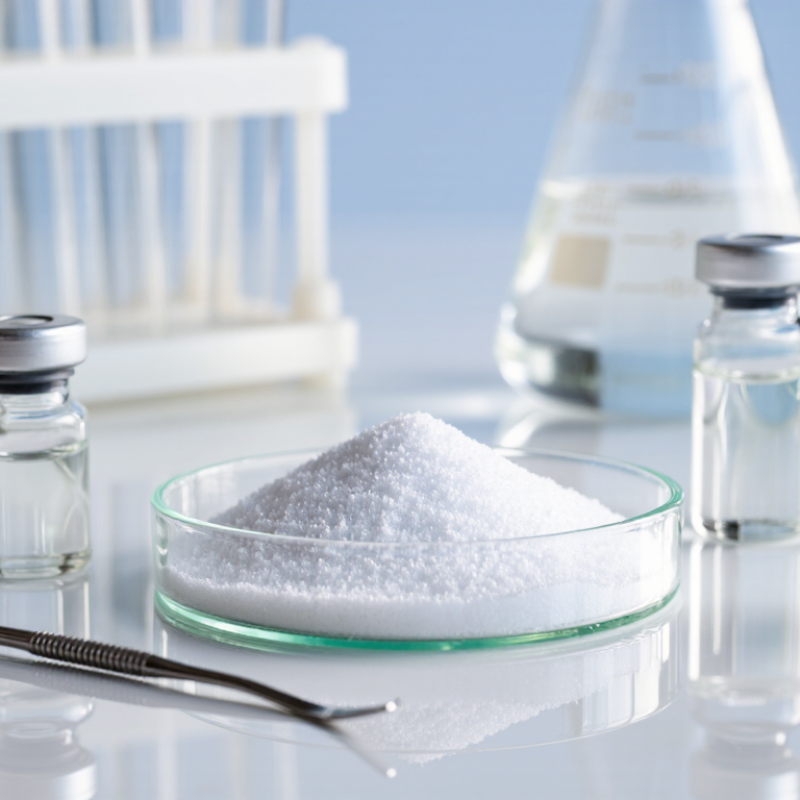
2026 Best 99% Pure Sodium Ascorbyl Phosphate Powder?

Sodium Ascorbyl Phosphate Profile: CAS 66170-10-3 and 322.05 g/mol

Sodium ascorbyl phosphate (SAP) is identified by CAS 66170-10-3. PubChem lists its molecular weight as approximately 322.05 g/mol and its formula as C6H6Na3O9P. These identifiers help confirm material identity, but they do not prove a powder is 99% pure. Small details matter. A certificate of analysis should show the assay method, test result, and batch number; moisture can also affect how a percentage is interpreted.

The Cosmetic Ingredient Review Expert Panel’s safety assessment of ascorbyl phosphate salts provides a professional reference for their cosmetic use. It is a safety assessment, not a purity certification for any particular shipment. For procurement, compare the supplier’s identity tests and assay data with the stated specification. Check whether the result is reported on an as-is or dry basis. That distinction can change the apparent assay.

In practical handling, SAP is a powder, so weigh it accurately and document storage conditions. Ask for relevant impurity and microbiological results when the intended application requires them. A molecular weight helps with formulation calculations; it cannot establish performance in a finished product. This is easy to overlook. A “99%” label needs supporting batch data, not just a confident product description.

What “99% Pure” Means: Assay Results, COA Data, and Impurity Limits

“99% pure” is meaningful only when the assay method and calculation basis are stated.

A sodium ascorbyl phosphate certificate of analysis should identify the batch, test method, result, and whether the percentage is measured as received or on a dried basis. That distinction matters: moisture can lower an as-received assay without changing the dry-basis figure. Look for identity confirmation, water or loss-on-drying results, and a defined impurity profile—not just one large purity number. The 2023 ICH Q2(R2) guideline describes specificity, accuracy, precision, and range as key analytical-method validation characteristics. A chromatographic assay is more useful when the method is validated for the ingredient and can separate related compounds.

Impurity limits need context. A COA should report actual results alongside specification limits for relevant contaminants, such as residual solvents and elemental impurities. There is no single universal limit for every cosmetic ingredient or use. ICH Q3C(R8), for example, gives methanol a pharmaceutical permitted daily exposure of 30 mg per day and an Option 1 concentration limit of 3,000 ppm. That is a useful reference point, not an automatic cosmetic acceptance limit. Ask whether methanol was used, which method measured it, and whether the stated limit fits the intended product. A neat “99%” can still leave important questions unanswered. Even a detailed COA cannot replace checking the underlying test method and batch-specific data.

Formulation Basics: Typical 0.2–3% Use Levels and pH Compatibility

2026 Best 99% Pure Sodium Ascorbyl Phosphate Powder?

Sodium ascorbyl phosphate (SAP) is a water-soluble vitamin C derivative used in leave-on formulas. A practical starting range is 0.2–3% by weight, adjusted for the product brief and supplier specifications. The Cosmetic Ingredient Review’s 2019 safety assessment reported cosmetic use concentrations up to 3%. That figure describes reported use, not proof that higher levels produce better results. Small distinction. Worth keeping.

For pH, begin bench testing near 6–7, where SAP is commonly formulated, rather than assuming it behaves like acidic L-ascorbic acid. This is a starting window, not a universal stability guarantee. Dissolve the powder fully in the water phase, then adjust pH gradually and recheck after the batch rests. A clear solution can still shift during storage. That assumption can fail. Evaluate color, odor, and pH in the finished formula over time, using suitable stability testing before making performance claims.

Tips: Weigh accurately, record the final pH, and test a small batch first. Check the raw-material specification for solubility and processing limits; “99% pure” alone does not define finished-formula stability.

How to Compare 2026 SAP Powders: Purity, Solubility, and Batch Consistency

A 99% purity claim is only a starting point when comparing sodium ascorbyl phosphate powders. Ask what the percentage measures and whether the supplier provides a lot-specific certificate of analysis. Check the assay method, moisture level, and date of testing. A clean-looking powder proves very little. Small details matter.

Solubility deserves a practical check. SAP is water-soluble, but the finished formula’s pH, ingredients, and mixing method can affect how evenly it disperses. Test a measured amount in the actual water phase, then inspect for clumps, sediment, or color changes after mixing. Compare results across batches using the same temperature and procedure. A tidy certificate can still leave questions; supplier documents and your own formulation tests serve different purposes.

Tips: Request samples from more than one production lot, not just one. Record how quickly each sample dissolves and whether residue remains after ten minutes. Keep notes on storage conditions, since heat and moisture may affect powder handling. If results vary, pause before scaling up and ask for clarification. A simple test is useful, though it cannot replace proper stability testing.

2026 Best 99% Pure Sodium Ascorbyl Phosphate Powder?

How to Compare SAP Powders: Purity, Solubility, and Batch Consistency

Treat these as purchasing-screen examples, not universal standards or measured supplier results. A 99% assay is a buyer-selected purity target; the suggested maximum 1 percentage-point spread is an internal lot-comparison rule, not an established SAP standard. SAP is water-soluble, but compare suppliers using the same test conditions and request the method and supporting data. Check assay results across multiple lot-specific certificates of analysis (COAs) to assess consistency.

Choosing a Cosmetic Grade: Stability Testing, Packaging, and Supplier Records

2026 Best 99% Pure Sodium Ascorbyl Phosphate Powder?

Choosing a Cosmetic Grade: Stability Testing, Packaging, and Supplier Records

A “99% pure” claim needs a test method, not just a bold number. Ask for the batch-specific certificate of analysis, assay method, moisture result, and impurity limits. For sodium ascorbyl phosphate, confirm that the method measures the ingredient itself, rather than total solids. Small distinction. It matters.

Stability evidence should show retained assay and appearance under defined conditions, with the package included in the study. ICH Q1A(R2) describes six months of accelerated testing at 40°C and 75% relative humidity for drug substances and products; this is a useful stress-test reference, not a cosmetic requirement. Request the supplier’s actual temperature, humidity, light exposure, sampling schedule, and acceptance criteria. A data point without conditions is weak evidence. Check whether the powder cakes, changes color, or loses assay after opening. Real use is messier than a sealed lab sample. Packaging records should identify the liner and moisture barrier, while supplier files should link each result to a lot number and release date. Sources: ICH Q1A(R2), Stability Testing of New Drug Substances and Products; ISO 22716:2007, Cosmetics—Good Manufacturing Practices.

2026 Best 99% Pure Sodium Ascorbyl Phosphate Powder? - Choosing a Cosmetic Grade: Stability Testing, Packaging, and Supplier Records

Use this table as a purchasing checklist, not as a ranking of suppliers. “99%” should be treated as a buyer-defined assay specification, not a universal grade guarantee; confirm the method, basis, and batch-specific result before purchase.

Evaluation area What to request or verify How to assess it Why it matters
Identity Batch-specific Certificate of Analysis (COA) identifying sodium ascorbyl phosphate (SAP), plus the supplier’s identity test and acceptance criteria. Check that the test method and result are reported for the actual lot. Request supporting analytical data if identity is critical to the application. A product name alone does not establish the identity or quality of a particular batch.
Assay and “99%” claim A defined assay specification, analytical method, reported batch result, and whether the result is stated on an as-is or dried basis. Confirm that the method is suitable for SAP and that the specification and result use the same calculation basis. Do not infer a 99% result from a marketing description. Assay numbers are meaningful only when their method and reporting basis are clear. “99%” is not, by itself, a complete quality specification.
Impurities and moisture Specifications and batch results for relevant impurities and water content, with the test methods identified. Review the supplier’s limits and methods; where needed, verify results with a qualified laboratory. Karl Fischer titration or loss on drying may be used for moisture assessment, depending on suitability. Moisture and impurities can affect powder handling, formulation performance, and batch consistency.
Physical description Appearance, color, odor, and any particle-size or solubility information the supplier claims. Compare the received material with its specification and retain a documented incoming-inspection record. Treat appearance as a screening check, not proof of identity or purity. Unexpected changes can prompt investigation, but visual inspection cannot replace analytical testing.
Stability and retest period A stability summary supporting the stated shelf life or retest period, including storage conditions, test intervals, methods, and monitored attributes. Look for data on assay, appearance, and moisture under the supplier’s claimed storage conditions. Accelerated studies can support assessment but should not be treated automatically as equivalent to real-time data. The usable life of a powder should be supported by documented data rather than inferred from the ingredient name.
Formulation stability Compatibility information for the intended formula, including relevant pH, processing, and storage conditions. Test the finished formulation in its intended packaging. Monitor appearance and SAP content using a suitable analytical method at planned time points. Raw-material stability does not establish stability in every finished cosmetic formulation.
Packaging and storage Packaging material, liner or closure details, tamper evidence where applicable, and the supplier’s written storage instructions. Check that the container is intact, appropriately sealed, and labeled with lot identification. Follow the supplier’s documented storage conditions and minimize unnecessary exposure to air and moisture during use. Packaging helps protect the material during storage and handling; suitability depends on the product and supply configuration.
Microbiological quality A microbiological specification or risk-based justification, plus test results when required for the intended use. Agree on appropriate limits and methods for the application and applicable market requirements. Do not assume that a dry powder is sterile. Microbiological requirements depend on intended use, product type, and applicable regulations.
Supplier records Current Technical Data Sheet (TDS), Safety Data Sheet (SDS), batch-specific COA, manufacturing or quality-system information, and change-notification policy. Verify document dates, product identity, lot numbers, specification revisions, and consistency across records. Keep approved documents and incoming-lot records. Consistent records support traceability, risk review, and investigation of quality issues.
Cosmetic-grade suitability A clear specification for the intended cosmetic use and any relevant market-specific compliance documents or declarations. Assess the actual specification and supporting records rather than relying on the phrase “cosmetic grade,” which does not by itself define a universal purity or testing standard. The buyer remains responsible for assessing the ingredient in the context of the finished product and its intended market.

Practical selection rule: approve a lot only when its identity, assay basis, relevant specifications, packaging, storage instructions, and traceable supplier records meet your documented requirements.

Botanical Extracts Manufacturing | Manfacture botanical extracts for supplements.