
Pruning is repetitive work: a day of shaping roses or trimming fruit-tree shoots can leave fingers tired and wrists sore. Electric Hand Shears For Gardening promise faster, more consistent cuts, but speed alone does not make a good tool. Blade capacity, weight, balance, battery runtime, and replacement-part availability matter when the branches are real, not just product-page examples.
The National Gardening Association’s 2024 National Gardening Survey reports that about 80% of U.S. households took part in lawn and garden activities during 2023. That broad participation helps explain the demand for practical, time-saving tools, though it does not prove every gardener needs powered shears. USDA’s 2022 Census of Agriculture also documents the scale and diversity of U.S. horticultural production, where reliable pruning equipment can support routine crop and plant care. These sources provide context, not a product endorsement.
This guide compares leading 2026 models by cut capacity, handling, battery performance, safety features, and value. We also consider who benefits most: home gardeners with many shrubs, orchard workers, or anyone managing frequent pruning. A powered blade can feel excessive for a few stems. Fair point. No tool removes the need to check branch size, keep hands clear, and maintain sharp blades. The best choice is the one that fits your plants, workload, and comfort—not simply the model with the biggest battery or boldest claims.
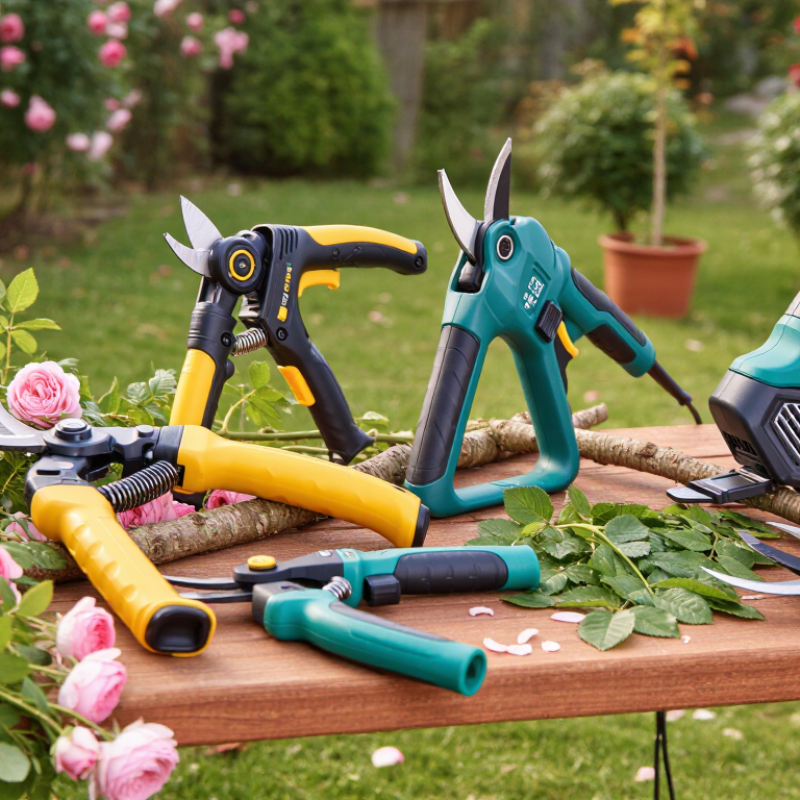
Electric hand shears use a rechargeable battery to power a small motor. The motor drives gears that close a moving blade against a fixed blade, cutting stems with less hand force than manual shears. A trigger starts each cut; some models also offer blade-opening settings for thinner or thicker branches. You can hear the motor engage and feel the blade pause if a stem is too large. No magic involved. Keep branch size within the tool’s stated limit.
Battery technology is advancing across many industries, though electric-car data does not predict garden-tool performance. The International Energy Agency’s Global EV Outlook 2024 reports that electric-car battery demand reached about 750 GWh in 2023, up 40% from 2022. That figure shows the scale of battery development, not how long any particular pair of shears will run. For gardeners, battery capacity, blade sharpness, branch hardness, and repeated cutting all affect runtime. It is easy to overlook the last factor.
Tips: Wipe sap from the blades after use, and check the cutting head before charging. Test the shears on a small, dry stem first. If the cut feels strained, stop and choose a suitable hand saw.

Electric hand shears suit different garden jobs, depending on their blade design and cutting capacity. Bypass models use two blades that pass each other, making clean cuts on green stems, roses, and young branches. Anvil models press a blade against a flat surface. They can handle dry, brittle growth, but may crush fresh stems, so they are not ideal for every pruning task.
Some cordless shears offer adjustable blade openings for thin shoots or thicker branches. A narrow setting can make repeated cuts quicker in dense shrubs. A wider setting may help with sturdier growth, though it usually uses more battery power. Small cuts matter. Match the tool’s stated capacity to the branch, rather than forcing the blades through oversized wood.
For long sessions, compare tool weight, handle comfort, battery runtime, and how easily the blades can be cleaned. A compact model may feel nimble among herbs and young fruit trees, while a heavier one can tire the wrist during hedge touch-ups. No single design feels ideal in every garden; even a capable shear can struggle with awkward angles. Clear away cuttings, keep fingers away from the blades, and check the tool’s instructions before changing or cleaning its cutting parts.
Compare electric hand shears by cutting capacity, battery life, weight, and safety features—not just advertised speed. Check the maximum branch diameter, then consider what you actually prune. Soft rose stems need less power than dry, woody growth. Cutting capacity matters.
Battery runtime can vary with branch thickness, blade condition, and temperature. Look for a removable battery if you expect long sessions, and check the stated charging time. A spare battery may help, though it adds cost and weight. Runtime figures are useful, but they rarely match every garden.
Comfort becomes clear after repeated cuts. Hold the tool as you would while trimming a hedge, and notice whether its grip feels secure and its balance strains your wrist. A safety lock and blade guard can reduce accidental contact during pauses. Also check whether blades are replaceable and easy to clean; sap left around the cutting head can affect performance. I would not choose the lightest model automatically. A very light tool may feel less balanced, and that difference is easy to miss in a short shop test. Inspect the warranty and care instructions before buying.
Compare these tool types as a starting point. Cutting capacity, weight, battery life, and included accessories vary by model; check the manufacturer’s specifications before buying.
| Feature | Compact / Light-Duty | General-Purpose | High-Capacity | What to Check |
|---|---|---|---|---|
| Typical pruning task | Flowers, herbs, and thin green stems | Routine shrub, rose, and fruit-tree pruning | Frequent work on thicker woody branches | Choose for the plants and branch sizes you actually prune. |
| Maximum cutting diameter | Often around 10–20 mm | Often around 20–30 mm | Some models are rated around 30–40 mm | Published capacity is not a guarantee for every wood type; hard or dry wood can be more demanding. |
| Tool weight | Usually the easiest class to handle for extended overhead or detail work | Balances handling comfort and cutting capability | Can be heavier, especially with a larger battery | Compare ready-to-use weight, including the battery, not just tool-only weight. |
| Battery and runtime | Often uses a smaller, lighter battery | Battery size and runtime vary substantially by model | May use a higher-capacity battery or a separate battery pack | Runtime depends on branch thickness, cutting frequency, battery condition, and temperature. Check whether a spare battery is available. |
| Blade and maintenance | Look for a cleanable blade and clear maintenance instructions | Replaceable blades can help extend tool life | Frequent heavy use makes blade access and replacement especially important | Check blade material, replacement-part availability, cleaning procedure, and whether sharpening is permitted. |
| Safety features | Trigger lock and a protective blade cover are useful basics | Check for a deliberate startup sequence and a lock for storage | A blade guard and accessible power-off control are important | Follow the tool’s instructions, keep hands clear of the blade, and remove the battery before maintenance. |
| Best fit | Occasional, lighter pruning and users prioritizing low weight | Most mixed home-garden pruning needs | Larger gardens or repeated cuts near the tool’s rated capacity | Consider comfort, service support, warranty, battery compatibility, and total kit price. |
Buying tip: A tool’s rated maximum branch diameter describes its stated limit, not necessarily the best diameter for fast, clean, repeated cuts. Match the rating to your pruning needs and verify the exact specifications for each model.
Choose electric hand shears around the plants you actually prune. Thin rose stems need different capacity from dry, woody branches. Check the stated maximum cutting diameter, but treat it as a guide, not a promise: hard wood can strain a small motor. Match the blade type to your usual growth, and look for replaceable blades and clear maintenance instructions. Feel the balance. If the tool feels nose-heavy in the shop, it may feel worse after an hour.
Weight, grip, and trigger design matter during repeated cuts. Look for a comfortable handle, a safety lock, and a battery that lasts through your typical session. A spare battery can help in a large garden, though it adds cost and weight. Test the controls before buying, if possible. Test it first. I would not choose by cutting capacity alone; that number rarely describes every wood condition. Also consider access to sharpening and parts, since a dull blade can crush stems instead of making clean cuts. Wipe the blades after use, especially after pruning sticky or diseased growth. There is a trade-off: the lightest shears may lack power, while stronger models can tire your wrist. Notice which compromise fits your garden.
Choose pruning tools according to branch diameter. These approximate working ranges are a guide, not a guarantee: capacity varies by model, blade condition, and wood hardness.
Electric hand shears can handle thicker stems than many standard hand pruners, but check the manufacturer's stated cutting capacity before buying. For branches beyond a tool’s capacity, use an appropriately sized lopper or pruning saw.
2026 Best Electric Hand Shears for Gardening
Best Electric Hand Shears for Different Uses in 2026
Different gardens call for different electric hand shears. For roses, herbs, and light seasonal trimming, choose a compact model with a narrow cutting head. It can reach between crowded stems and feel easier to guide around delicate growth. Check the stated cutting capacity against the branches you actually prune; a clean cut matters more than an impressive number.
For fruit trees or thicker woody stems, look for a model rated for the branch size you handle most often. A wider opening and comfortable grip can help during repeated cuts, while manageable weight reduces hand fatigue. Battery life matters for larger gardens, but a heavier battery may make overhead pruning awkward. A small compromise remains: more power does not always mean better control.
Tips: Test the balance before buying, if possible. Keep blades clean and sharp, and remove debris after use. Wear eye protection, keep fingers clear of the cutting head, and follow the tool’s safety instructions. If a branch resists, stop and check its size rather than forcing the cut.
2025 Bio-Botanica, a division of Bio Answer Holdings Inc. All Rights Reserved.