
Body Sculpture is becoming a broader global category, not a single treatment. Buyers now compare cryolipolysis, radiofrequency tightening, focused ultrasound, HIFEM-based muscle stimulation, liposuction, and surgical body contouring. Each option serves different goals, body areas, recovery periods, and risk profiles.
Dr. Grant Stevens, a recognized body-contouring specialist, offers a practical reminder: “The safest choice begins with the right patient, not the newest device.” This principle matters when reviewing the 2026 market. A compact clinic may prefer non-invasive equipment with simple protocols. A hospital may require advanced systems, stronger training, and structured follow-up. Marketing language can blur these differences. It often does.
Real-world details deserve attention. A buyer should examine applicator size, treatment temperature, energy control, patient monitoring, maintenance access, and service response time. Before-and-after images help, but they do not replace clinical evidence. Skin type, fat distribution, muscle condition, and medical history can change outcomes. No device fits everyone.
This guide compares the leading Body Sculpture types expected to attract global buyers in 2026. It considers clinical purpose, operating demands, recovery expectations, regulatory documentation, and long-term value. Some classifications remain imperfect because manufacturers use overlapping names. That is worth admitting. A device may promise contouring, tightening, and muscle definition, yet deliver only one result consistently. Careful buyers should question impressive claims, request independent evidence, and confirm local approval requirements before purchasing or treatment planning. Small details matter. Safety matters more.
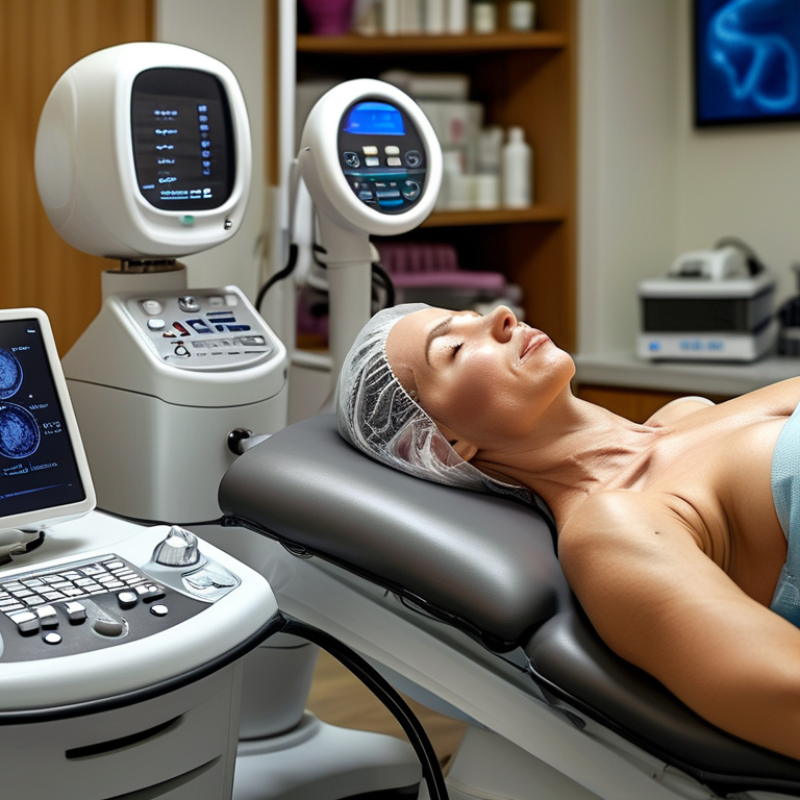
Leading Body Sculpture Types in 2026
In 2026, global buyers are comparing body sculpture types by safety, evidence, downtime, and treatment goals. Non-invasive options remain popular because they usually require little recovery. Cryolipolysis targets localized fat through controlled cooling, while radiofrequency treatments use heat to support skin tightening. Results vary.
Focused ultrasound may contour selected areas, but treatment settings require careful assessment. Electromagnetic muscle stimulation can support muscle conditioning, although it is not a replacement for exercise. Vacuum-assisted massage is also used for temporary smoothing and fluid movement. Some clients expect dramatic changes too quickly. That expectation needs correction.
Tips: Ask for published safety data, qualified operators, and clear treatment limits. Confirm whether the device is legally authorized in your country. Request a consultation that reviews skin type, medical history, medications, and realistic outcomes. Compare before-and-after images taken under similar lighting. Do not judge quality from one photograph. A detailed aftercare plan matters, especially for sensitive skin or swelling. Global buyers should also check service training, maintenance records, warranty terms, and local complaint procedures. Evidence can be uneven. Careful questions protect both budgets and results.
| Body Sculpture Type | Primary Energy or Method | Main Body-Contour Goal | Common Treatment Areas | Typical Treatment Experience | Typical Downtime | Usual Result Timeline | Key Buyer Considerations |
|---|---|---|---|---|---|---|---|
| Cryolipolysis | Controlled cooling of subcutaneous fat | Reduction of localized fat bulges without surgery | Abdomen, flanks, thighs, upper arms, submental area | Cooling, pulling or intense cold sensation at the start; temporary numbness is common | Usually none | Changes generally become noticeable over several weeks and may continue for approximately 2–3 months | Applicator fit, cooling control, skin-contact safety, treatment-area eligibility and informed consent are important |
| Radiofrequency Body Contouring | Non-invasive radiofrequency heating | Temporary skin tightening and improvement in body contour appearance | Abdomen, flanks, thighs, buttocks, upper arms | Progressive warmth; the treatment should remain comfortable and controlled | Usually none | Often assessed after a treatment series, with results developing gradually over weeks to months | Temperature monitoring, controlled energy delivery, contraindication screening and operator training are essential |
| High-Intensity Focused Ultrasound | Focused ultrasound energy delivered below the skin | Localized contouring and, in selected systems, skin-tightening support | Abdomen, flanks, thighs and selected smaller areas | Localized heat, tingling or brief discomfort may occur | Usually none | Visible improvement is commonly evaluated over approximately 8–12 weeks | Accurate depth selection, energy calibration, anatomical mapping and avoidance of sensitive structures matter |
| High-Intensity Electromagnetic Muscle Stimulation | Rapidly changing electromagnetic fields that induce muscle contractions | Muscle stimulation, abdominal toning and improvement in muscle definition | Abdomen, buttocks, thighs and calves, depending on the applicator | Strong involuntary contractions followed by muscle fatigue or soreness similar to exercise | Usually none | Muscle tone is generally assessed after multiple sessions and may require maintenance | Screening for implanted electronic devices, metal contraindications and appropriate intensity progression is required |
| Combined RF and Electromagnetic Stimulation | Radiofrequency heating combined with electromagnetic muscle stimulation | Muscle toning with a body-contour and skin-warming component | Abdomen, buttocks, thighs and other approved areas | Warmth together with repeated muscle contractions | Usually none | Results are typically reviewed progressively after a series of treatments | Independent control of heat and contraction intensity, cooling between sessions and safety screening are valuable |
| Vacuum-Assisted RF | Suction massage combined with radiofrequency heating | Improvement in the appearance of cellulite and temporary contour refinement | Thighs, buttocks, hips and abdomen | Rhythmic suction, massage and warmth; bruising can occur in sensitive users | Low; possible temporary bruising | Skin appearance is usually assessed after several sessions and may require maintenance | Suction control, treatment-head hygiene, skin condition assessment and appropriate pressure settings are important |
| Acoustic Wave Therapy | Radial or focused mechanical pressure waves | Improvement in the appearance of cellulite and tissue texture | Thighs, buttocks, hips and selected body areas | Tapping or percussive pulses; intensity should be adjusted to comfort and treatment goals | Usually none | Texture changes are generally evaluated after a course of treatments | Wave type, pressure or energy settings, applicator movement and contraindication screening affect usability |
| Low-Level Light Therapy | Low-intensity red or near-infrared light | Non-invasive support for the appearance of localized body contouring | Abdomen, waist, thighs and upper arms | Usually painless with little or no sensation of heat | None expected | Results, when achieved, are generally gradual and may require repeated treatments | Wavelength, irradiance, treatment distance, eye protection and realistic claims should be clearly documented |
| Non-Invasive Laser Lipolysis | Low-level or controlled laser energy, depending on system design | Localized contour improvement and reduction in the appearance of small fat deposits | Abdomen, flanks, thighs and upper arms | Generally mild warmth; treatment sensation depends on the energy delivery method | Usually none | Assessment is commonly performed several weeks after a treatment series | Laser classification, wavelength, thermal safeguards, eye protection and regulatory indications must be verified |
| Injectable Body Contouring | Injection of an approved active substance into selected subcutaneous fat | Reduction of small, localized fat deposits | Only areas covered by the applicable local authorization, commonly the submental region for certain products | Multiple injections; swelling, tenderness and bruising may occur | Several days to weeks may occur | Improvement is gradual and may require more than one treatment session | Medical qualification, product authorization, injection anatomy, sterile technique and adverse-event management are critical |
| Surgical Liposuction | Surgical removal of subcutaneous fat using cannulas | More substantial reshaping of selected body areas | Abdomen, flanks, thighs, hips, back, arms and other surgeon-approved areas | Performed under anesthesia or appropriate sedation in a surgical setting | Typically weeks | Swelling gradually decreases over weeks to months; final contour may take several months | Requires qualified surgical care, anesthesia support, postoperative monitoring and appropriate patient selection |
Note: Treatment sensations, treatment schedules, outcomes and recovery times vary by technology, device settings, treatment area, patient characteristics and local regulations. Body-contouring procedures are not a substitute for weight management, and suitability should be assessed by a qualified healthcare professional.