7 Best Compression Ankle Wraps for Pain Relief?
Ankle pain can turn ordinary movements into small negotiations: stairs feel unstable, shoes press tender areas, and standing becomes tiring. A well-fitted Compression Ankle Wrap may offer gentle support, reduce swelling, and provide reassuring warmth during daily activity. Yet comfort is not proof of healing. Sprains, tendon irritation, arthritis, and fractures can feel surprisingly similar at first. This guide examines seven popular options through practical, health-conscious criteria rather than bold marketing claims.
We consider compression level, fabric breathability, adjustability, seam placement, sizing accuracy, and freedom of movement. A wrap should feel supportive, not numb, cold, or painfully tight. Ease of washing matters too, especially when it is worn after exercise or during long work shifts. Product claims are weighed against manufacturer guidance and established clinical advice. No wrap suits every ankle. That limitation deserves attention.
The comparisons focus on pain-relief support, not guaranteed treatment. Readers with severe swelling, visible deformity, inability to bear weight, persistent pain, or recent injury should seek qualified medical assessment. People with circulation problems, diabetes, reduced sensation, or post-surgical restrictions should ask a clinician before using compression. Fit matters. Small mistakes can matter. The best choice stays comfortable, supports natural movement, and matches the likely cause of discomfort as closely as possible.
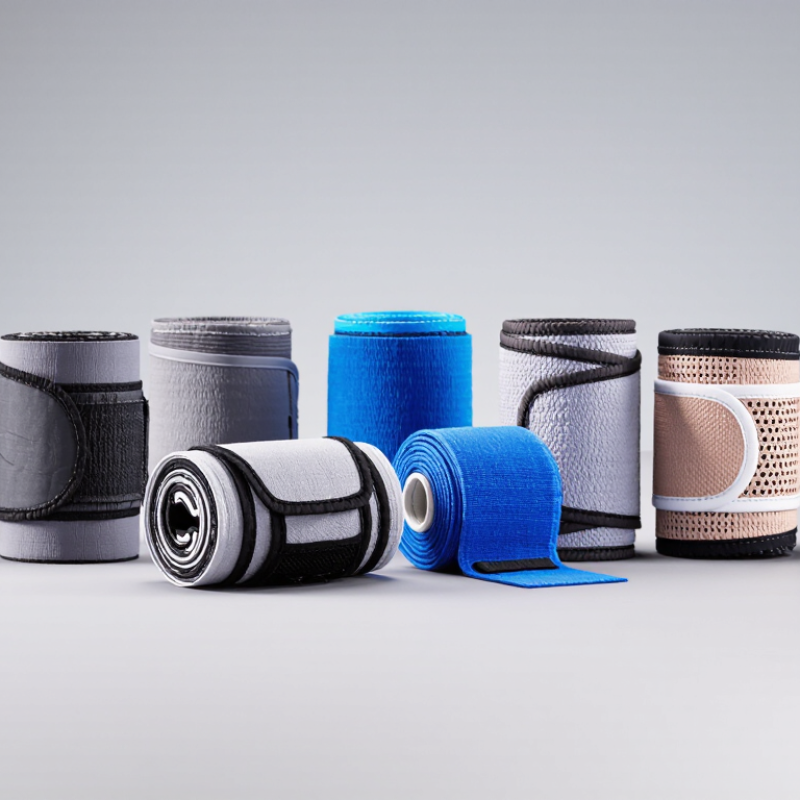
What Compression Ankle Wraps Are and How Pressure Is Measured in mmHg
7 Best Compression Ankle Wraps for Pain Relief?
Compression ankle wraps apply controlled pressure around the ankle and lower leg. Their pressure is measured in mmHg, meaning millimeters of mercury. The number describes force, not fabric thickness.
A 2020 international consensus statement in Phlebology commonly classifies 20–40 mmHg as moderate compression. Pressure above 40 mmHg is generally considered strong. These ranges vary across medical systems.
The highest pressure should usually sit near the ankle. It should gradually decrease upward, supporting venous blood return. A 2022 review in the Journal of Clinical Medicine reported that graduated compression can reduce swelling in several venous conditions, although results depend on fit and diagnosis.
Wraps with adjustable straps may help users fine-tune pressure during the day. The label is not the whole story.
Overlap, ankle shape, movement, and swelling can change the actual pressure. A loose wrap may provide little support.
An overly tight wrap can cause tingling, cool toes, pale skin, or worsening pain. Stop using it and seek medical advice if these symptoms appear.
People with suspected poor arterial circulation need professional assessment before using firm compression. This matters. Pain relief is not proof that the wrap is medically appropriate.
The 2023 European Society for Vascular Surgery guidelines also emphasize correct fitting and clinical evaluation, but self-measured pressure remains imperfect.
Comparing 7 Best Compression Ankle Wraps for Pain Relief and Stability
Comparing seven compression ankle wraps for pain relief and stability requires more than checking tightness. A seamless compression sleeve feels light and suits mild swelling or daily walking. An elastic adjustable wrap offers flexible pressure, though it can loosen during movement. A figure-eight wrap gives stronger support around the ankle joint. It may feel restrictive inside narrow shoes.
A lace-up brace provides customizable stability for repeated sprains and uneven ground. An open-heel design improves comfort during exercise, especially when the foot sweats. A stirrup-style wrap limits side-to-side motion and may help after a sprain. A compression wrap with removable gel inserts adds cooling relief, but bulky inserts can reduce mobility. These seven designs serve different needs, not identical pain patterns.
In my experience, the best fit feels supportive without causing numbness, tingling, discoloration, or colder toes. Check your skin after thirty minutes. A physiotherapist or clinician can match compression and stability to the injury. Evidence supports compression for some swelling, but it does not repair a fracture or severe ligament damage. I once preferred maximum support, yet the stiffest wrap made walking awkward. That detail matters. Remove the wrap during sleep unless a healthcare professional advises otherwise, and seek assessment when pain, swelling, or weakness worsens.
Safety Guidelines: Contraindications, Skin Checks, and Proper Wear Time
7 Best Compression Ankle Wraps for Pain Relief?
Compression ankle wraps may ease mild swelling and support movement, but they are not automatically safe. Avoid using one over an open wound, active skin infection, suspected fracture, or unexplained severe pain. People with poor circulation, reduced sensation, diabetes, or a history of blood clots should ask a qualified clinician first. Sudden calf swelling, warmth, chest pain, or breathing difficulty needs urgent medical attention.
Check your skin before and after each use. Look for redness, blisters, pale or blue skin, unusual warmth, or numbness. The wrap should feel supportive, never tight or throbbing. Toes should remain warm and normally colored. Start with one or two hours during the day, then reassess. Remove it before sleeping unless a healthcare professional gives different instructions. Even careful users can miss subtle changes, especially when swelling fluctuates.
Tips: Apply the wrap smoothly, without folds or twisted edges. Keep the ankle in a neutral position. Stop immediately if pain increases, tingling develops, or the foot feels cold. Wash and dry the skin first, and keep the material clean. Recheck the fit after walking, because movement can shift the wrap. A common mistake is wearing compression longer because it feels secure; longer is not always better.
How Clinical Evidence Evaluates Compression for Swelling, Pain, and Recovery
7 Best Compression Ankle Wraps for Pain Relief?
Compression ankle wraps are often promoted as quick solutions for pain and swelling. Clinical evidence gives a narrower answer. External pressure may reduce fluid accumulation after mild sprains or prolonged standing. It can also improve perceived support during walking. Yet pain relief remains inconsistent. A wrap cannot repair damaged ligaments, tendons, or bones. That distinction matters.
A clinician or trained physical therapist should assess swelling, skin color, sensation, and walking ability. Research often measures short-term outcomes, not complete recovery. Graduated compression may support circulation more predictably than uneven pressure, but ankle wraps vary widely in design. Compression works best as an adjunct to protected movement, elevation, and individualized rehabilitation. Not a cure.
Fit is critical. Excessive tightness can cause numbness, tingling, cold toes, or increased pain. Remove the wrap if symptoms worsen. People with vascular disease, reduced sensation, or open wounds should seek medical advice before using compression. I would compare seven options by pressure consistency, adjustability, breathable material, and clear sizing instructions. Marketing language can sound convincing. The evidence is still mixed, and product testing sometimes lags behind confident claims.
Compression is commonly prescribed in graduated pressure ranges. Mild-to-moderate compression is often used for uncomplicated swelling and leg fatigue, while stronger compression may be selected for clinically significant edema or venous disease after circulation has been assessed. Higher pressure does not automatically mean better pain relief or faster recovery; evidence varies by condition, fit, duration, and patient safety factors.
Pressure ranges are commonly used clinical categories, not proof that one compression level is superior. People with suspected arterial disease, numbness, skin damage, or severe unexplained swelling should seek medical advice before using firm compression.