
Automatic Fire Shutter plays a crucial role in fire prevention and safety. These systems are designed to contain fires and limit their spread within a building. When a fire is detected, the Automatic Fire Shutter swiftly closes, blocking the flames and smoke from advancing further.
The mechanism relies on sensors and alarms that promptly signal danger. This immediate response can save lives and minimize property damage. However, in practice, these systems might not always function perfectly. Regular maintenance is essential to ensure they operate correctly.
Sometimes, human error can lead to oversight. People may neglect routine checks, leaving shutters vulnerable. Understanding the importance of an Automatic Fire Shutter can lead to better safety measures. It's not just equipment; it represents a vital line of defense in fire emergencies.
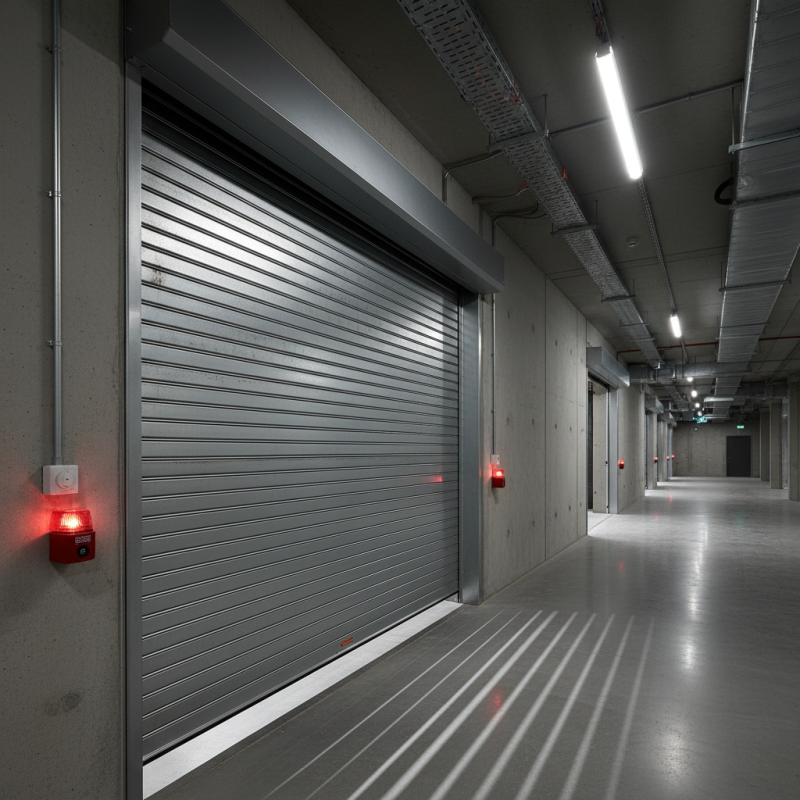
An automatic fire shutter is a crucial safety feature in many buildings. It acts as a barrier against flames and smoke during a fire. These shutters are designed to close automatically when a fire alarm is activated. They help contain fire within a specific area, preventing it from spreading to other parts of the structure.
The mechanism operates through a series of sensors and weight systems. When triggered, the sensors detect heat or smoke. This prompts the shutter to descend quickly and securely. The materials used in these shutters can withstand high temperatures, ensuring they remain effective during a fire.
However, not all installations are perfect. Sometimes, the sensors may fail or malfunction. Regular maintenance is essential to ensure they work correctly. Inadequate training for staff can also lead to misunderstandings about their operation. Regular drills and checks can help address these issues and improve safety awareness.

This bar chart illustrates the performance metrics of an automatic fire shutter, including its response time, temperature resistance, operating cycle, and maintenance frequency.
Automatic fire shutters are critical safety devices in modern buildings. They serve as barriers against smoke and flames. Their primary purpose is to compartmentalize areas during a fire. This limits the spread of fire, giving occupants more time to evacuate. According to the National Fire Protection Association (NFPA), an effective fire protection system can reduce fire damage by up to 50%. This demonstrates the importance of integrating automatic fire shutters into safety plans.
Moreover, the installation of these shutters is not just a regulatory requirement. They also enhance the overall safety of a building. A report by the International Code Council states that improper usage of fire barriers can lead to significant risks. Fire shutters must be tested regularly to ensure functionality. Unfortunately, a lack of maintenance often leads to failures when they are needed the most. This raises important questions about building safety practices. Are businesses doing enough to ensure their fire safety measures are updated and maintained regularly?
Automatic fire shutters play a crucial role in enhancing building safety. These devices are designed to compartmentalize smoke and fire, thereby preventing their spread. According to the National Fire Protection Association, effective use of fire-rated doors and shutters can save up to 75% of property damage during a fire event.
These shutters operate through a simple yet effective mechanism. They consist of a series of interlocking slats that drop down when activated. This activation can be triggered by smoke or heat detectors. Smoke detection systems can respond within seconds, ensuring shutters deploy swiftly. However, it's important to note that not all systems are foolproof. Regular maintenance is vital, as malfunctioning components can lead to catastrophic failures in emergencies.
The installation of automatic fire shutters requires careful planning. Each shutter's components, such as springs, control panels, and sensors, must be compatible for optimal performance. A study by the International Fire Safety Standards organization found that improperly installed or maintained shutters reduced their effectiveness by over 30%. This highlights the necessity for expert installation and regular checks to ensure reliability during a fire incident.
Automatic fire shutters are crucial in modern fire safety systems. They act as barriers to contain fire and smoke during an emergency. Various types of automatic fire shutters exist, each designed for specific applications. The most common types include rolling shutters, vertical shutters, and magnetic shutters. Each type varies in material and functionality, aiming to provide enhanced safety in diverse environments.
Rolling shutters are often found in commercial settings. They can be deployed quickly, creating a wall of protection. In contrast, vertical shutters are typically used in larger openings like warehouses. They are ideal for high-traffic areas. According to a report by the National Fire Protection Association, effective use of automatic fire shutters can reduce fire spread by nearly 75%. This reduction significantly influences fire department response times and overall safety.
Magnetic shutters are unique, employing a magnet system for rapid closure. They are suitable for areas needing frequent access. Each type has its pros and cons, affecting installation and maintenance. For example, rolling shutters may require frequent upkeep due to wear. These details reveal a need for careful consideration when choosing the right shutters for specific applications and environments.
| Type of Automatic Fire Shutter | Material | Applications | Features |
|---|---|---|---|
| Rolling Fire Shutter | Steel | Warehouses, Retail Stores | Manual or automatic operation, compact design |
| Vertical Fire Shutter | Aluminum | Parking Garages, Manufacturing Facilities | High thermal resistance, sleek appearance |
| Fire Rated Door | Gypsum, Steel | Office Buildings, Hospitals | Self-closing, smoke containment |
| Collapsible Fire Shutter | Galvanized Steel | Shopping Malls, Airports | Easy operation, space-saving |
| Motorized Fire Shutter | Stainless Steel | Data Centers, Industrial Plants | Remote controlled, automatic closing mechanism |
When considering installation and maintenance for automatic fire shutters, attention to detail is crucial. These shutters play a vital role in fire safety by containing flames and smoke. Research indicates that proper installation can reduce fire spread by up to 70%. A qualified professional should handle the installation to ensure compliance with safety standards and building codes.
Tips: Always check for certifications. Ensure the installers are trained and qualified.
Regular maintenance is essential to keep the shutters operational. Inspections should be conducted bi-annually, focusing on mechanical components and emergency systems. Reports suggest that up to 25% of fire safety equipment may fail due to lack of maintenance. If shutters do not close properly, the chances of fire damage increase significantly.
Tips: Create a maintenance schedule. Document each inspection for future reference.
Remember, even minor wear and tear can compromise safety. Be proactive in addressing issues. Consider investing in advanced monitoring systems that alert you to potential malfunctions. This can ensure that your fire shutters are ready when needed.
2025 Bio-Botanica, a division of Bio Answer Holdings Inc. All Rights Reserved.