
Precision Metal Casting has become a cornerstone for global manufacturing. This technique offers distinct advantages. It ensures high accuracy and intricacy in designs. Manufacturers can meet diverse specifications efficiently.
One key benefit is the material efficiency. Precision Metal Casting minimizes waste significantly. Each piece produced is closer to the final design. This leads to cost savings and reduced environmental impact. Additionally, it allows for complex geometries that traditional methods cannot achieve.
Moreover, reliability is a hallmark of this casting method. Parts produced are consistent and durable. Buyers can trust that their components will perform optimally. Despite these strengths, there are challenges to consider. Not all casting suppliers maintain the same quality standards. Therefore, careful selection of partners is critical. Evaluating their expertise can be a game-changer.
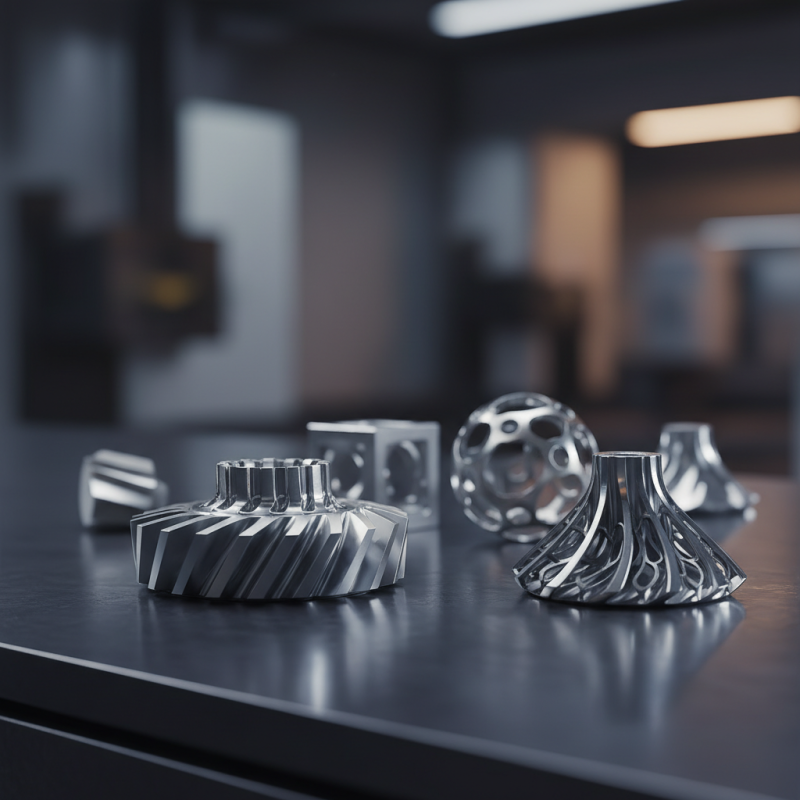
Precision metal casting offers substantial advantages in manufacturing processes that appeal to global buyers. With its ability to produce complex geometries and high-quality finishes, it has become essential in various industries, including automotive, aerospace, and medical device manufacturing. According to a report by MarketsandMarkets, the global precision casting market is projected to reach USD 31.44 billion by 2027, highlighting the growing recognition of this manufacturing technique.
One significant benefit of precision metal casting is its ability to reduce material waste. The process ensures that the right amount of material is used, minimizing costs and environmental impact. Moreover, high dimensional accuracy allows manufacturers to create intricate designs without the need for extensive machining. However, achieving the desired precision often requires advanced technology and skilled personnel. Not all facilities can match these standards, which may lead to inconsistent product quality.
Tips for success in precision metal casting include investing in technology and continuous training for staff. Regular maintenance of equipment can prevent expensive downtime and ensure the quality of outputs. Always evaluate supplier capabilities critically, as not every manufacturer has the resources to meet stringent industry standards. This careful approach can improve production efficiency and product reliability, ultimately benefiting buyers in the global market.

Precision metal casting offers significant cost-effectiveness for global buyers. This method enables manufacturers to produce intricate designs while minimizing material waste. According to a report by the Precision Metal Forming Association, companies can reduce costs by up to 30% compared to traditional manufacturing methods. The ability to create complex geometries contributes to fewer assembly parts, which lowers labor costs.
Investing in precision metal casting can yield higher quality products without compromising on cost. Buyers often find that this process enhances durability and performance. A study by Deloitte revealed that 67% of manufacturers reported increased efficiency with precision casting techniques. This translates to quicker time-to-market, essential in today's fast-paced industry.
Tip: Always evaluate the total cost of ownership. Sometimes, cheaper materials can lead to higher long-term expenses. Another tip is to collaborate closely with manufacturers during the design phase. This ensures the design is optimized for casting, potentially saving you more.
Reflection on precision metal casting is vital. While it offers many benefits, improper execution can lead to defects and increased costs. Buyers should prioritize working with experienced foundries to mitigate these risks and achieve the best results. Consistent communication with suppliers can further enhance cost-effectiveness and product quality.
Precision metal casting offers significant design flexibility that appeals to global buyers. This process allows manufacturers to create intricate shapes and complex features with a high degree of accuracy. Such capabilities lead to innovative designs that were once impossible with traditional casting methods. The ability to produce customized components enhances the overall functionality of products, making them more competitive in the market.
Moreover, precision metal casting accommodates various materials. Buyers can choose from different metals and alloys, each offering unique properties. This flexibility enables the production of parts suited for various applications, from automotive to aerospace. However, managing design changes can be challenging. Constantly evolving project requirements may lead to adjustments in the casting process, creating additional costs and delays.
Despite these challenges, the benefits often outweigh the drawbacks. Designers can experiment with new concepts, fostering creativity and advancing technological solutions. While it may require re-evaluation of techniques and processes, the end result can lead to exceptional products. Adapting to precision metal casting can be a learning curve but offers rewarding outcomes for those who embrace it.
Precision metal casting offers numerous advantages, particularly in terms of quality and durability. This manufacturing method allows for intricate designs that traditional processes cannot achieve. Manufacturers can produce complex shapes with high dimensional accuracy. This is vital for industries needing precise components.
The durability of precision cast products is another significant benefit. The casting process increases material density, leading to components that withstand wear and tear. Parts exhibit excellent mechanical properties, ensuring they perform well even under stress. However, it’s important to choose the right alloy to meet specific requirements. Not every alloy works for every application.
Some challenges exist in precision metal casting. The initial investment may be high, which can deter some buyers. Quality control is essential throughout the process, and minor flaws can result in major issues later. Therefore, global buyers must be diligent in selecting experienced suppliers. The benefits, however, often outweigh the challenges when precision and durability are paramount.
Precision metal casting plays an essential role in promoting sustainability. This process allows manufacturers to create complex shapes with minimal waste. By reducing excess material, industries can lower their environmental footprint. It provides a way to recycle scrap metal efficiently. Using recycled materials conserves energy and natural resources.
The environmental impact of precision metal casting is significant. It minimizes greenhouse gas emissions compared to other manufacturing methods. However, it's essential to examine the energy consumption in melting and molding. Advances are underway, yet energy use remains a concern. Continuous improvement is necessary. Companies must focus on using renewable energy sources to power their operations.
Precision metal casting can also contribute to product longevity. Durable components reduce the frequency of replacements, ultimately lowering waste. Still, awareness of overall lifecycle impact is vital. Buyers should seek transparent supply chains and sustainable practices. Balancing innovation and environmental responsibility will shape the future of metal casting.
2025 Bio-Botanica, a division of Bio Answer Holdings Inc. All Rights Reserved.