
In various industries, equipment reliability is crucial. A common challenge engineers face is cable management. This is where the Plastic Drag Chain comes into play. These innovative solutions effectively organize and protect wires and hoses. They minimize wear and friction, extending the life of essential components. Moreover, they enhance safety by reducing hazards associated with tangled cables.
Beyond protection, Plastic Drag Chains offer flexibility in design. They can be adapted for multiple applications, from robotics to conveyor systems. The lightweight nature of these chains makes installation easier. However, selecting the right type can be daunting. Each industry has unique demands, and not all chains are equal. Understanding the specific needs is key to maximizing their benefits.
While Plastic Drag Chains bring numerous advantages, they are not a one-size-fits-all solution. It is vital to weigh their benefits against potential drawbacks. Issues like environmental impact and durability must be considered. A thoughtful approach can lead to substantial improvements in operational efficiency. Engaging with experts can further enhance the selection process.
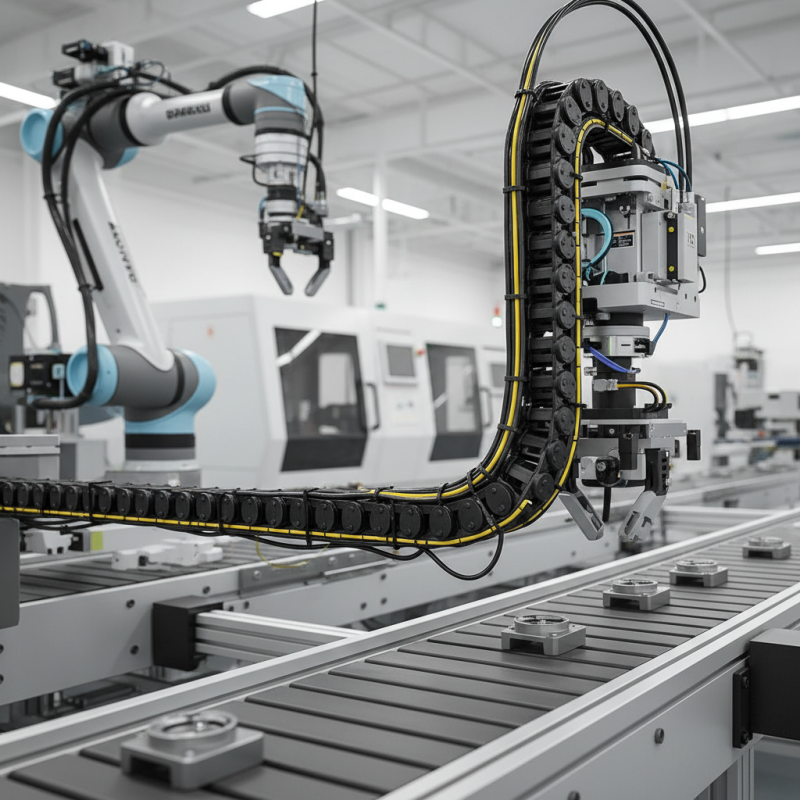
Plastic drag chains play a critical role in various industrial applications. Their primary function is to protect and guide cables or hoses. This function enhances the longevity and safety of equipment. According to industry reports, using plastic drag chains can increase cable lifespan by up to 30%. This reduction in wear and tear leads to significant cost savings over time.
The design of plastic drag chains allows for easy installation and flexibility. Many new models feature modular designs that facilitate quick adjustments. This adaptability is crucial in dynamic environments where machinery constantly changes. Studies show that companies implementing these chains face fewer maintenance issues, with reported decreases in downtime by as much as 20%. However, users should remain cautious about compatibility. Not all chains are suitable for every application, leading to potential inefficiencies.
Moreover, durability is a key feature. High-quality plastic can withstand harsh conditions, including temperature extremes and chemicals. Evidence indicates that industrial environments benefit from chains that offer resistance to abrasions and UV damage. On the flip side, less durable chains can lead to frequent replacements, increasing costs and operational risks. Selecting the right product requires careful consideration of these aspects to ensure operational efficiency.

Plastic drag chains have become increasingly popular in industrial applications due to their enhanced flexibility and durability. These chains are lightweight yet robust, allowing for smooth cable management in dynamic settings. Studies have shown that well-designed plastic drag chains can handle significant bending and twisting without degrading, which is critical in environments with moving machinery.
Research from industry experts indicates that plastic drag chains can last up to three times longer than their metal counterparts. This increase in lifespan can be attributed to their resistance to corrosion and fatigue. They also maintain a consistent performance level, even under continuous motion. A report by a leading engineering firm identified that over 30% of machinery downtime is related to cable wear and damage. Using plastic drag chains can significantly reduce this issue.
The flexibility of these chains allows for easier integration into various machinery setups. They are not only adaptable to tight spaces but also reduce stress on cables. However, achieving an optimal design requires careful consideration. Many systems experience failures when drag chains are improperly sized or mounted. Regular assessments and adjustments may be necessary to maintain peak performance.
Plastic drag chains are essential in modern industry. They help organize cables and hoses, reducing wear and tear. According to industry reports, using drag chains can decrease maintenance costs significantly, sometimes by up to 30%. These systems ensure a smoother movement for cables and hoses, which can reduce equipment failure rates.
Long-term use of plastic drag chains can enhance the longevity of machinery. Equipment that relies on well-managed cables experiences less friction and fewer interruptions. Studies indicate that machines with optimized drag chains last 15% longer than those without them. However, users must regularly inspect and maintain these chains. Neglect can lead to operational failures and unexpected expenses.
To truly leverage the benefits, understanding the operating environment is crucial. Different settings, like extreme temperatures or exposure to chemicals, require specific chains. Each application poses challenges that may affect the chains' effectiveness. Periodic assessments can reveal areas for improvement, ensuring that industries remain efficient.
Plastic drag chains have gained popularity in various industries, providing a modern alternative to traditional cable management systems. Unlike metal chains, plastic drag chains are lightweight and flexible, making installation easier. They reduce friction and wear on cables, which can significantly extend the lifespan of electrical wiring. In settings where movement and flexibility are essential, plastic chains outperform traditional systems, offering a smoother operation.
Traditional cable management often involves rigid systems that limit mobility. They can be cumbersome, leading to potential damage to cables over time. Plastic drag chains, however, adapt to dynamic environments. Their design minimizes the risk of entangling and cutting, enhancing safety and reliability. Knowledge of specific applications is crucial in choosing the right system. Sometimes, opting for plastic over metal may feel unconventional, raising questions about structural integrity.
Despite the advantages of plastic drag chains, they are not without limitations. In environments with extreme temperatures or heavy loads, their durability may falter. Industry professionals must weigh these aspects carefully. Selecting the ideal cable management solution requires a deep understanding of both systems’ features and potential challenges. Evaluating these factors ensures optimal performance and longevity in any industrial application.
| Benefit | Plastic Drag Chains | Traditional Cable Management |
|---|---|---|
| Flexibility | Highly flexible and adjustable | Limited flexibility; rigid design |
| Weight | Lightweight, reducing overall system weight | Heavier, increasing load on machinery |
| Durability | Resistant to various chemicals and abrasion | May corrode or wear out over time |
| Installation | Easy and quick to install | Installation can be complex and time-consuming |
| Noise Reduction | Quieter operation | Can be noisy during operation |
| Cost | Generally lower initial costs | Higher initial investment |
| Maintenance | Requires minimal maintenance | Regular maintenance needed |
| Customization | Easily customizable to fit different applications | Limited customization options |
| Environmentally Friendly | Made from recyclable materials | Often less eco-friendly materials |
| Compatibility | Compatible with a variety of systems | May not fit all applications |
Plastic drag chains have become essential components in various industries due to their versatility and efficiency. These chains help guide cables and hoses, preventing tangling and wear during machine operation. In manufacturing, they are widely used on automated machinery. They ensure smooth movement, minimizing downtime caused by cable damage. In addition, they adapt easily to different environments, from clean rooms to heavy-duty applications.
In the automotive industry, plastic drag chains are common in robotic assembly lines. They keep vital connections organized, allowing for seamless integration of robotic systems. Similarly, in the aerospace sector, these chains protect sensitive wiring in aircraft. They offer durability against harsh conditions. Hospitals also benefit from drag chains. They manage cables around medical equipment, promoting safety and hygiene.
Despite their numerous advantages, not every application may prefer plastic drag chains. Some environments may require different materials for specific stresses. It’s vital to assess each situation carefully. There’s always room for improvement in design and installation practices to ensure maximum reliability. Each industry must weigh the pros and cons to find the best solution for their unique setup.
2025 Bio-Botanica, a division of Bio Answer Holdings Inc. All Rights Reserved.