
Blog

Best Airless Bottle Options for Your Packaging Needs?

In the world of cosmetics and skincare, packaging plays a crucial role. An Airless Bottle stands out as a prime choice for many brands. It preserves product integrity and prevents contamination. This type of packaging reduces waste while offering a luxurious experience for users.

Airless Bottles come in various designs and sizes, making them versatile for different products. However, selecting the right one can be challenging. Factors like material, dispensing mechanism, and aesthetics matter significantly.

Brands often overlook the importance of functionality in their search for beauty. Some may focus too much on appearance. Ultimately, a balance between design and practicality is essential. High-quality Airless Bottles can enhance user experience while reflecting brand values.
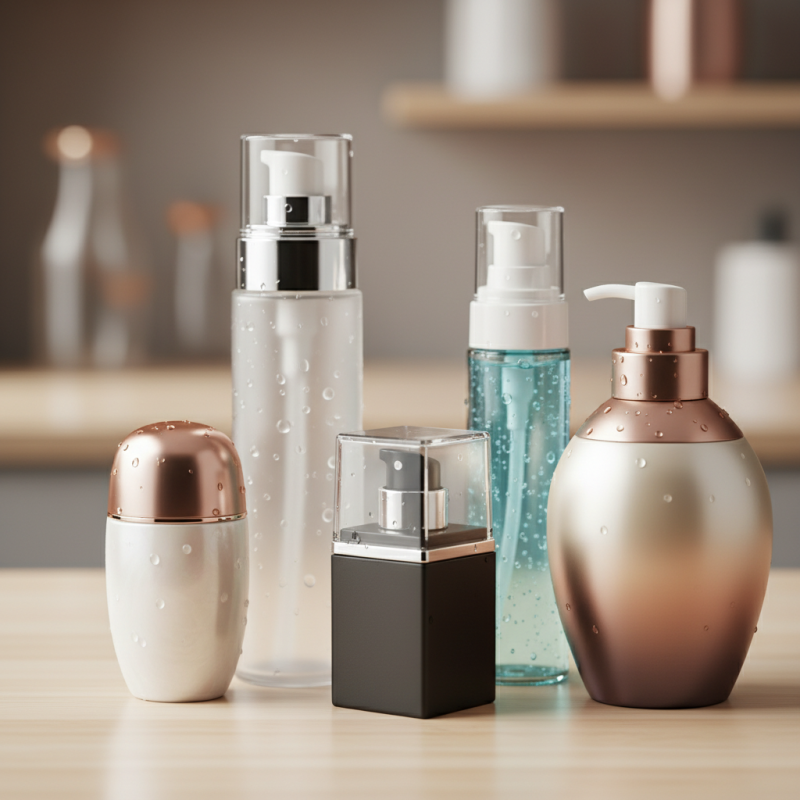
Best Airless Bottle Options for Your Packaging Needs?

Understanding Airless Bottle Technology and Its Advantages

Airless bottle technology offers a unique solution for packaging. These bottles prevent air from entering, preserving the product inside. This ensures a longer shelf life and maintains the integrity of sensitive formulations, such as serums and creams. By minimizing exposure to air, airless bottles reduce the risk of contamination and oxidation.

The design of airless bottles is fascinating. They often come with a pump mechanism that dispenses the product without drawing air in. This system allows for precise control over the amount dispensed, reducing waste. However, not all airless bottles are created equal. Some may have issues with consistency in dispensing or may not fully evacuate the product. It’s essential to choose a knowledgeable supplier for reliable options.

While airless technology provides clear advantages, there are areas for improvement. Understanding how the pump mechanism works can help users maximize the product's potential. Additionally, feedback from users is valuable in refining designs. Evaluating different airless bottle options can lead to better solutions for diverse packaging needs.

Types of Airless Bottles: Materials and Designs

Airless bottles are an innovative solution for packaging. These bottles protect sensitive products from air exposure. This ensures longer shelf life and maintains quality. There are various materials used in airless bottles, each offering distinct advantages.

Plastic is a popular choice. It’s lightweight and durable. Such bottles can be colored or clear, allowing for creative designs. Glass offers a premium feel but can be heavier and more fragile. The design of the bottle can influence user experience. Some come with a pump mechanism, making dispensing easy and mess-free. Others may feature a twist-top or squeeze design.

One common issue is the potential for residual product to remain inside. This can lead to waste, creating frustration for users. Brands must consider how design can mitigate this. While airless technology is great, not all designs are equal. Brands should balance aesthetics with functionality.

Best Airless Bottle Options for Your Packaging Needs

Type Material Design Features Volume (ml) Application
Airless Pump Bottle PP (Polypropylene) Nozzle for precise dispensing 30 Serums, lotions
Airless Jar PET (Polyethylene Terephthalate) Wide opening for easy access 50 Creams, balms
Airless Dropper Bottle Glass Dropper for controlled application 15 Oils, essences
Airless Spray Bottle Acrylic Fine mist spray 100 Facial mists, toners
Deluxe Airless Bottle Aluminum Luxury finish with pump 40 High-end creams

Top Brands Offering High-Quality Airless Bottles

When selecting airless bottles, quality is paramount. Top brands prioritize materials that ensure product integrity. A recent industry report indicated that over 70% of skincare brands are shifting to airless packaging. This shift addresses product degradation and enhances user satisfaction.

Choosing an airless bottle design can be daunting. Brands now offer diverse styles, from dropper tops to pumps. Each design caters to specific product needs. It's essential to match the design with the formulation. For example, thicker creams benefit from robust pumps. In contrast, serums might require precision droppers.

Tip: Always test the functionality of the chosen bottle. Not all airless systems perform equally. A bottle can look visually appealing but may not dispense effectively. Users value ease of use. Therefore, testing before committing to a bulk order is wise. This process can help ensure customer satisfaction, a crucial factor in today's competitive market. Aim for effectiveness and craftsmanship in every selection. Choose wisely.

Factors to Consider When Choosing an Airless Bottle

When choosing an airless bottle, several factors are essential for optimal packaging solutions. First, consider the material. Airless bottles often use high-density polyethylene (HDPE) or glass, both offering excellent barrier properties. According to a market research report by ReportLinker, the global demand for airless packaging is projected to grow by over 10% annually, highlighting the increasing importance of quality materials.

Next, the design and functionality of the pump mechanism matter. A reliable pump ensures minimal product waste and contamination. Research shows that airless systems can extend product shelf life by reducing oxidation and bacterial growth. This is particularly important for formulas with sensitive ingredients, such as vitamins or natural extracts.

Tips: Always check the compatibility of your product with the bottle material. Conducting stability tests can save you future hassles. Evaluate the ease of use for consumers. An intuitive design can enhance customer satisfaction and encourage repeat purchases. Each of these factors plays a crucial role in maintaining product integrity and consumer trust. Sometimes, the perfect blend of function and aesthetics may be hard to find. Make sure to revisit your options regularly to adapt to changing trends.

Best Practices for Using and Maintaining Airless Bottles

Airless bottles are a popular choice for cosmetic packaging due to their ability to protect products from oxidation and contamination. Research by the Packaging Association reveals that airless systems can extend a product's shelf life by 20-30%. However, proper usage and maintenance are crucial for achieving these benefits.

When handling airless bottles, always ensure they are stored away from direct sunlight. This prevents temperature fluctuations that could affect the product inside. Incorporate regular checks for any signs of wear and tear, as damaged bottles can compromise product integrity. Remember, an airless bottle functions optimally when filled to about 80-90% capacity, allowing for effective pressure management.

Tips for maintaining your airless bottles include keeping them clean and dry after each use. Always wipe the dispensing nozzle to prevent clogs. Lastly, consider using a gentle, non-abrasive cleaning solution, as harsh chemicals can degrade the materials over time. It’s essential to stay mindful of these practices to maximize product effectiveness and ensure longevity.

Best Practices for Using and Maintaining Airless Bottles

Article Source:

Botanical Extracts Manufacturing | Manfacture botanical extracts for supplements.