A Chaga Mushroom Supplement can look convincing on a label: dark powder, forest imagery, and promises of “high potency.” But choosing one takes more than a quick glance. Buyers should check the species, mushroom part, extraction method, ingredient list, and available testing. A clear label is useful. It is not proof of effectiveness.
Medicinal-mushroom author and herbalist Christopher Hobbs offers a useful lens through his broader work on herbal quality: “Identity and preparation matter.” This is a concise summary, not a verbatim quotation. Chaga products vary, and research findings do not automatically apply to every capsule, tea, or extract. The details matter.
This 2026 guide compares products by transparency, formulation, and evidence—not by the boldest claim. A supplement facts panel should tell you what is inside, while credible testing can help clarify purity and consistency. Even then, uncertainty remains. Some marketing language runs ahead of the research, and shoppers deserve to know that. The best choice is not necessarily the most expensive jar or the one with the most impressive number on its front label. It is the product whose claims, sourcing, and testing you can actually evaluate.
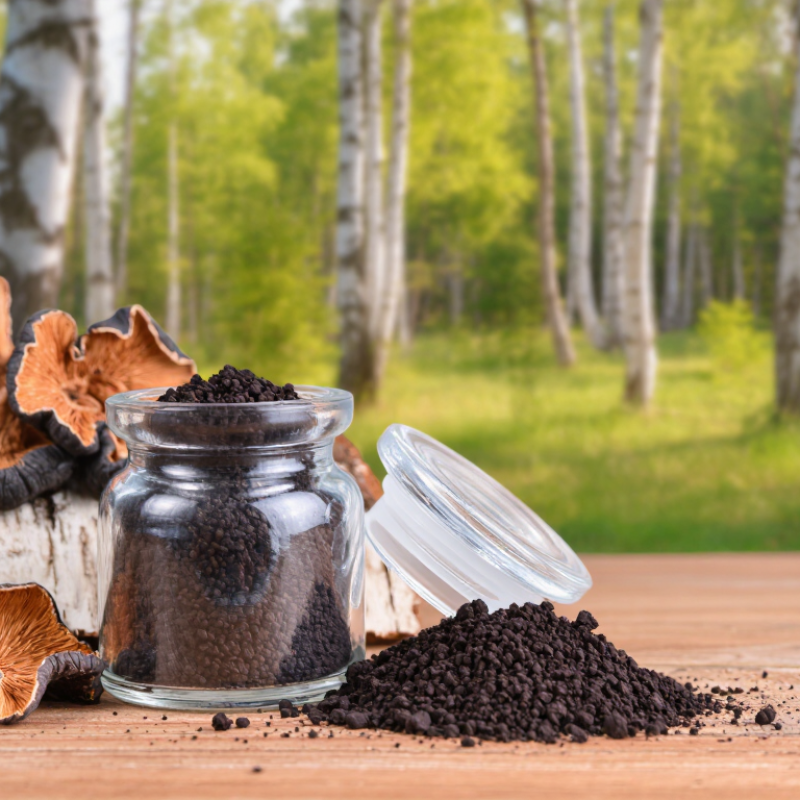
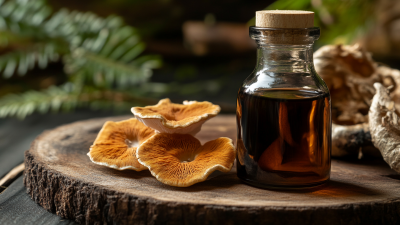
Chaga is a slow-growing fungus that commonly forms dark, hardened growths on birch trees in cold regions. Its rough black exterior can look like burnt wood, while the inner tissue is usually rusty brown. Traditionally, people have prepared chaga as a simmered drink. Supplements now come as powders, capsules, and liquid extracts, each offering a different level of convenience.
Not all products are made the same way. Some use the whole ground fungus; others use extracts, which may concentrate certain compounds. Check the ingredient list, serving size, and testing information rather than relying on dramatic claims. A clear label matters. Chaga naturally contains oxalates, and high intake may pose concerns for people prone to kidney stones or with kidney problems. It may also interact with medicines, including those affecting blood sugar or clotting, so a clinician’s advice is sensible before regular use. I’d treat it as a food-derived supplement, not a proven treatment. The evidence is still developing, and product quality can vary. Even a pleasant, earthy cup is not proof of a health effect.

A summary of evidence categories associated with Inonotus obliquus (Chaga)
A score of 1 means that the evidence category has been reported in scientific or historical literature; it does not indicate proven effectiveness. Chaga has a history of traditional use and laboratory and animal research, while robust human clinical evidence and approved therapeutic indications remain limited.
Chaga contains polysaccharides, polyphenols, and triterpenes, including compounds related to betulinic acid. These substances have shown antioxidant or immune-related activity in laboratory and animal studies. That is interesting, but it does not prove that a supplement prevents illness or improves health in people. Human research remains limited, and products can differ in extraction methods and compound levels.
The strongest claims need restraint. Antioxidant activity in a test tube is not the same as a demonstrated benefit in daily life. Early findings may guide future studies, but they cannot establish an effective dose or long-term safety. Even a carefully made supplement may not match the preparations used in research. This uncertainty is easy to overlook.
Tips: Check whether the label identifies the mushroom part, extraction method, and tested ingredients. Ask for independent testing for contaminants, and discuss use with a clinician if you have kidney problems or take blood-thinning or blood-sugar medication. Chaga can contain substantial oxalates, which may matter for kidney health. More human research is needed.
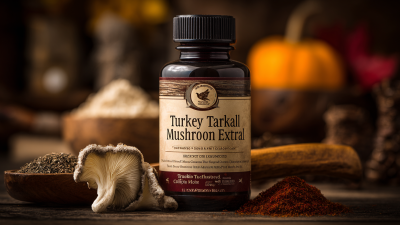
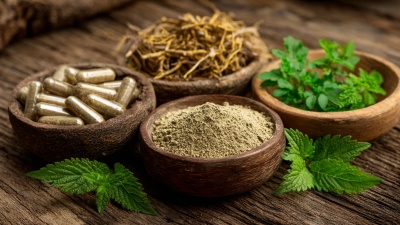
Chaga supplements usually come as powders, capsules, liquid extracts, or tea-cut chunks. Each format changes the daily routine, not necessarily the mushroom’s quality. Powder mixes into oatmeal or a warm drink, but its earthy, slightly bitter taste can be hard to hide. Capsules are easier to measure and travel with. Tea chunks need simmering time. Convenient, but less precise.
Liquid extracts are made by processing chaga into a concentrated preparation. Check the label for serving size, extraction details, and whether the product states its beta-glucan content. “Dual extraction” may describe processing with water and alcohol, but the term alone does not prove potency.
A 2024 MarketsandMarkets report estimated the global functional mushroom market at about US$31.7 billion, with supplements among its product categories. That market figure covers many mushrooms, not chaga specifically, so it cannot rank chaga formats.
Look for the species name, ingredient amount per serving, and independent testing information. A certificate of analysis can help verify identity and screen for contaminants, though it does not show that a supplement will deliver a health benefit. Be cautious with products that promise dramatic results.
Chaga is not a substitute for medical care, and people with kidney conditions or those taking medication should ask a qualified clinician before use. The evidence is still limited. That matters.
In 2026, evaluating chaga supplement quality starts with the raw material, not the packaging. Look for the Latin name, Inonotus obliquus, and a clear description of the mushroom part used. The label should say whether the product contains fruiting body, mycelium, or both. It should also explain the extraction method and provide the amount per serving. Vague claims such as “high potency” tell you little without measurable details.
Check whether the company provides a recent certificate of analysis from an independent laboratory. It should identify the tested batch and report results for contaminants such as heavy metals, microbes, and pesticides. A neat label is not proof. Be cautious when marketing focuses only on total polysaccharides; that number does not, by itself, establish overall quality or benefit. I would also compare serving size with the actual ingredient amount, since those figures can differ. It is easy to miss.
Finally, consider your own health context. Chaga may not be suitable for everyone, and people with kidney concerns or those taking medication should ask a qualified health professional before use. Evidence and product testing can vary, so avoid promises of guaranteed results. A transparent supplement is easier to assess, though no label can remove every uncertainty.
| Quality Dimension | What to Look For | How to Evaluate It | Why It Matters |
|---|---|---|---|
| Species identification | The label should identify the ingredient as Inonotus obliquus (chaga), not just “mushroom blend.” | Check the Supplement Facts panel and request documentation showing how the raw material was authenticated. | Clear identification helps distinguish chaga from other fungi and vague proprietary blends. |
| Ingredient transparency | Look for the amount of chaga per serving and a complete list of other ingredients. | Compare the stated serving size with the amount of chaga; note fillers, flavorings, and blends that do not disclose individual amounts. | A disclosed formula makes products easier to compare. A proprietary blend can make the chaga dose unclear. |
| Extraction details | For extracts, the manufacturer should explain the extraction method and identify whether the ingredient is an extract or a simple powder. | Look for information about hot-water or other extraction processes and the extract ratio, if one is stated. Ask what the ratio means if it is not explained. | Powders and extracts are not directly comparable by weight alone; an extract ratio does not by itself prove potency or quality. |
| Beta-glucan testing | Prefer a quantitative beta-glucan result supported by a named analytical method or laboratory report. | Ask whether the test distinguishes beta-glucans from other polysaccharides, such as starch, and whether the result applies to the finished product or raw ingredient. | “Total polysaccharides” is not the same measurement as beta-glucans. There is no universally accepted beta-glucan threshold that establishes the best chaga supplement. |
| Batch-specific testing | A certificate of analysis (COA) should correspond to the product’s lot or batch number. | Check that the COA identifies the tested material, date, laboratory, test methods, and results—not just a generic sample report. | Batch-specific documentation is more useful for verifying what is in the product being purchased. |
| Contaminant screening | Look for testing for relevant heavy metals and microbial contamination; pesticide testing may also be appropriate depending on sourcing. | Review actual results and units, and check whether the report gives applicable limits or methods. A “tested” claim without results offers limited detail. | Fungi can accumulate substances from their growing environment, so sourcing and contaminant controls are important parts of quality assessment. |
| Oxalate information | Check whether the manufacturer provides oxalate testing or clear information about oxalate content. | Ask for a measured result and the test method if oxalate content is a concern; do not assume that all chaga products have the same level. | Chaga can contain oxalates. Case reports have linked high chaga intake with oxalate-related kidney injury, so people with kidney disease or a history of kidney stones should seek medical advice before use. |
| Sourcing and sustainability | Look for a disclosed source and a description of how the chaga is harvested or cultivated. | Ask whether the material is wild-harvested or cultivated and what measures support traceability and responsible collection. | Source transparency helps assess traceability and environmental responsibility; vague origin claims are difficult to verify. |
| Manufacturing and quality controls | Look for evidence of appropriate manufacturing controls, such as compliance with applicable dietary-supplement good manufacturing practices. | Check whether the quality claim is explained and supported by records or an audit; certification logos alone do not establish ingredient effectiveness. | Manufacturing controls can help reduce mix-ups and production problems, but they do not prove that a supplement treats or prevents disease. |
| Label and safety information | The label should provide directions, serving size, warnings, and a way to contact the manufacturer. | Review warnings and discuss use with a healthcare professional if pregnant, breastfeeding, taking medication, or managing a medical condition. | Chaga supplements may not be appropriate for everyone, and evidence about interactions and long-term use is limited. |
| Claims and value | Be cautious of promises to cure, prevent, or treat disease and of claims that rely on testimonials alone. | Compare the amount per serving, testing documentation, sourcing, and price per labeled serving—not price or extract ratio alone. | Dietary supplements are not a substitute for medical care. No single label claim establishes a universally “best” chaga product. |
Practical takeaway: In 2026, the strongest quality case is a clearly identified product with transparent amounts, credible batch-specific testing, contaminant controls, and traceable sourcing. These checks assess product quality, not proven health benefits.
What Is the Best Chaga Mushroom Supplement in 2026?
What Safety Considerations Matter Before Choosing a Chaga Supplement?
Safety deserves more attention than a product’s earthy color or “wild-harvested” label. Chaga naturally contains oxalates, and high or prolonged intake may be a concern for people prone to kidney stones or with kidney disease. The evidence is limited, so a cautious approach makes sense. Small details matter.
Chaga may also affect blood clotting or blood sugar, though research in people remains sparse. If you take anticoagulants, diabetes medication, or immune-suppressing drugs, ask a qualified clinician before using it. The same applies before surgery, during pregnancy or breastfeeding, and when managing a chronic condition. Do not treat a supplement as a substitute for prescribed care.
Check that the label lists the mushroom species, ingredients, serving size, and testing for contaminants such as heavy metals and microbes. Look for a recent certificate of analysis from an independent laboratory; vague claims alone are not proof. Start only with a clearly stated serving, and stop if you notice unusual symptoms. A practical limitation: supplement testing can vary, and a certificate may not answer every question about long-term use.
2025 Bio-Botanica, a division of Bio Answer Holdings Inc. All Rights Reserved.