
Choosing a Freeze Dried Dog Food brand involves more than comparing attractive ingredient lists. Nutritional adequacy, clear sourcing, safety practices, and feeding instructions deserve equal attention. Freeze-drying removes moisture, making food lighter and easier to store, but it does not reliably eliminate harmful bacteria. That distinction matters when handling raw-style products at home.
Veterinary nutritionist Dr. Lisa M. Freeman has written, “There is no evidence that raw diets are healthier than cooked diets.” Her caution is useful context, not a verdict on every freeze-dried formula. A product’s value depends on its nutrition, manufacturing controls, and fit for the individual dog. Some packages look impressively simple; the feeding details can be less clear.
This guide compares ten brands available in 2026, examining whether each formula is labeled complete and balanced, how its ingredients are described, and what safety guidance the manufacturer provides. We also consider rehydration directions, life-stage suitability, and cost per feeding—not just the price printed on the bag. Where information is missing, that counts against a brand. No ranking can replace advice from a veterinarian, especially for puppies, senior dogs, or pets with health conditions. Use this list as a starting point, and check the label carefully. One small detail can change the choice.
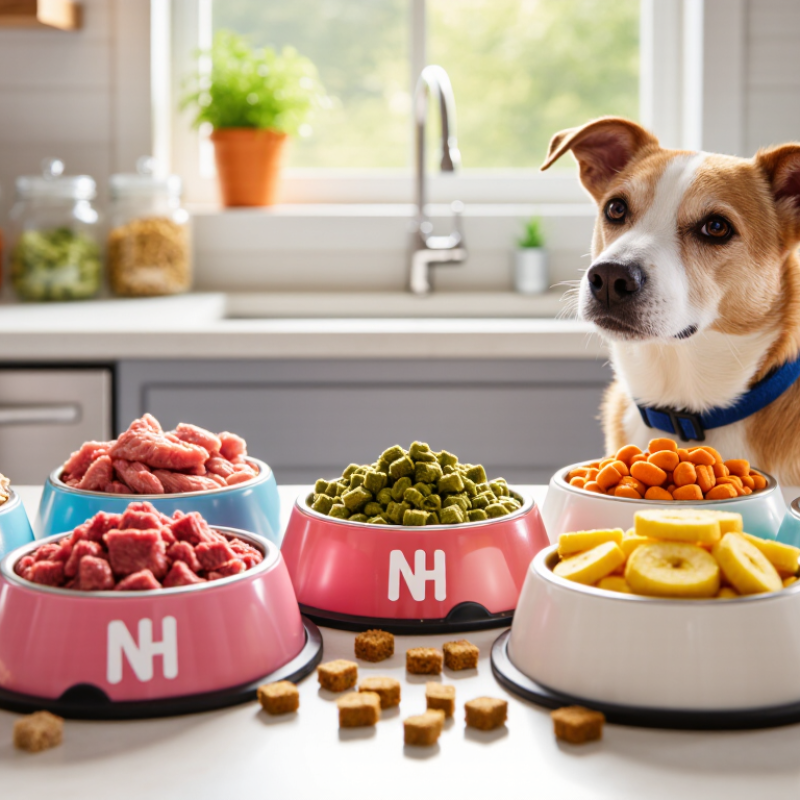
Freeze-dried dog food is made by freezing ingredients, then removing ice as vapor under low pressure. This preserves a lightweight, porous food that softens quickly with water. Its forms differ. Complete meals are intended to provide daily nutrition when the label confirms nutritional adequacy for the dog’s life stage. Mixers and toppers add flavor or calories but are not necessarily balanced as a full diet. Freeze-dried treats are usually for occasional feeding. Check the feeding directions; a small nugget can expand after rehydration.
“Freeze-dried” describes processing, not a guarantee of safety. The FDA’s 2014 testing of 196 commercial raw pet-food samples found Salmonella in 15 samples and Listeria monocytogenes in 32. Those results cover raw foods overall, not freeze-dried products alone. Still, the FDA warns that freezing and freeze-drying do not reliably kill every harmful germ. That distinction matters. Wash hands and bowls after handling, and refrigerate rehydrated portions promptly. Labels can also be confusing: a product may look like a complete meal while being marked for supplemental feeding only. Check the adequacy statement, calorie information, and storage instructions before choosing a form.

10 Best Freeze Dried Dog Food Brands in 2026?
How Freeze-Drying Preserves Ingredients and Nutrients
Freeze-drying removes water while ingredients are frozen. Inside a low-pressure chamber, ice changes directly into vapor, with less heat than conventional drying. This helps retain the food’s shape, aroma, and many heat-sensitive nutrients. A piece of chicken may look pale and crisp, not browned or oily. Still, “preserved” does not mean unchanged. Some nutrients can degrade during processing or storage, and the final result depends on ingredient quality and careful packaging.
Tips: Check that the package is sealed and within date. Follow its rehydration directions, and refrigerate leftovers promptly. Freeze-drying does not necessarily eliminate harmful microbes, so handle the food as directed and wash bowls and hands.
For a useful comparison, look beyond the processing method. Read the ingredient list, nutritional adequacy statement, and feeding directions; recipes vary in balance and intended use. A food may be labeled for intermittent feeding rather than as a complete daily diet. That distinction matters. Keep opened food dry and tightly closed, since moisture can soften pieces and encourage spoilage. If switching foods, introduce the new recipe gradually and watch for changes in appetite or stool. I would not assume that a crisp texture proves superior nutrition; it is one clue, not a verdict. When a dog has a medical condition or special dietary needs, ask a veterinarian to review the formula.
A sound 2026 assessment starts with nutritional adequacy, not appealing ingredient names. Check whether the label says the food is complete and balanced for a dog’s life stage under an AAFCO nutrient profile or feeding-test standard. AAFCO sets nutrient standards; it does not approve individual foods. Ask who formulates the recipe, what qualifications they hold, and how nutrient levels are verified. WSAVA’s Global Nutrition Toolkit recommends these questions, alongside queries about quality control and research. The answers should be specific. Vague claims are not evidence.
Safety deserves equal attention. Freeze-drying reduces moisture, but it should not be treated as proof that a raw recipe is pathogen-free. In FDA testing of 196 raw pet-food samples, 15 contained Salmonella and 32 contained Listeria monocytogenes. Those results cover raw pet foods broadly, not freeze-dried products alone—a distinction worth keeping clear. Look for documented pathogen controls, batch testing, and plain handling instructions. Check whether the directions require rehydration, and measure the finished portion rather than guessing from its dry volume.
Compare calories per cup or gram, protein and fat on a comparable basis, and the feeding cost per day. A tiny scoop can be energy-dense. That is easy to miss. Review storage guidance after opening, too; resealable packaging is useful, but not a substitute for stated shelf-life limits. No label answers everything, and I would treat polished marketing as a prompt for questions, not a quality score.
Suggested 100-point review framework: nutritional adequacy and safety controls receive the greatest emphasis. These are editorial weights, not measured brand scores, a certification, or an industry-standard formula. Check product labels and consult a veterinarian about your dog’s specific needs.
The 10 Best Freeze-Dried Dog Food Brands in 2026
Choosing among freeze-dried foods takes more than judging the ingredient list. Compare complete-and-balanced statements, calorie counts, feeding directions, and clear sourcing. The AAFCO 2024 Dog Food Nutrient Profiles set adult-maintenance minimums of 18% crude protein and 5.5% crude fat on a dry-matter basis. These are benchmarks, not proof that a particular recipe suits every dog. APPA’s 2025 State of the Industry report estimated U.S. pet-industry spending at $152 billion in 2024, but market growth says little about nutritional quality.
Tips: Check calories per cup or patty. Rehydrate as directed, and wash bowls and hands after handling. Small details matter.
A useful 2026 top-ten comparison should weigh nutritional adequacy, transparent ingredient sourcing, feeding practicality, and cost per day. A dense patty may look small beside kibble, yet deliver substantial calories; measure portions rather than guessing. Dogs with medical conditions, sensitive digestion, or changing weight may need individualized advice from a veterinarian. Also, “freeze-dried” describes processing, not a guarantee of safety or quality. Labels can be confusing, and that deserves a second look.
Choose freeze-dried food labeled complete and balanced for your dog’s life stage, rather than assuming every product is a full meal. Check its calorie content and feeding directions; concentrated food can make a small scoop surprisingly energy-dense. AAFCO’s nutritional adequacy statement helps show whether a food is intended as a complete diet or a supplement. WSAVA guidance uses a nine-point body-condition scale, with scores around 4–5 generally considered ideal.
Small details matter.
Measure the portion before adding water. Follow the package’s rehydration ratio, use clean, potable water, and let the food soften fully; warm water can help, but it should not be hot. The National Research Council’s Nutrient Requirements of Dogs and Cats estimates about 1 milliliter of water per kilocalorie consumed as a broad maintenance guide. Individual needs vary with activity, weather, health, and diet, so keep fresh water available. The first bowl may look too wet. Adjust texture gradually, and avoid leaving moistened food at room temperature for long periods; refrigerate leftovers promptly and follow the label’s storage instructions.
2025 Bio-Botanica, a division of Bio Answer Holdings Inc. All Rights Reserved.