
Choosing the Best Fried Melon Seeds Factory for Global Buyers in 2026 takes more than comparing prices. Buyers need dependable roasting, clear ingredient records, protective packaging, and consistent communication. A sample should taste fresh, with a clean aroma and an even crunch. Check how the factory handles sorting, roasting, cooling, and packing. Ask for product specifications and recent quality records. Details matter.
Quality-management expert W. Edwards Deming is often quoted as saying, “Quality is everyone’s responsibility.” That principle fits fried melon seed production: one missed check can affect a whole batch. A capable Fried Melon Seeds Factory should explain its process plainly and show how it manages consistency. Buyers can also compare seed size, seasoning options, pack formats, and expected lead times. Not just price. A polished catalog is useful, but it cannot replace clear answers or a well-evaluated sample. Even careful checks have limits; flavor can shift slightly between batches, and buyers should discuss acceptable variation before ordering. This guide outlines practical questions for assessing suppliers, from production controls to export readiness, without treating any single factory as a perfect fit. A little skepticism helps.
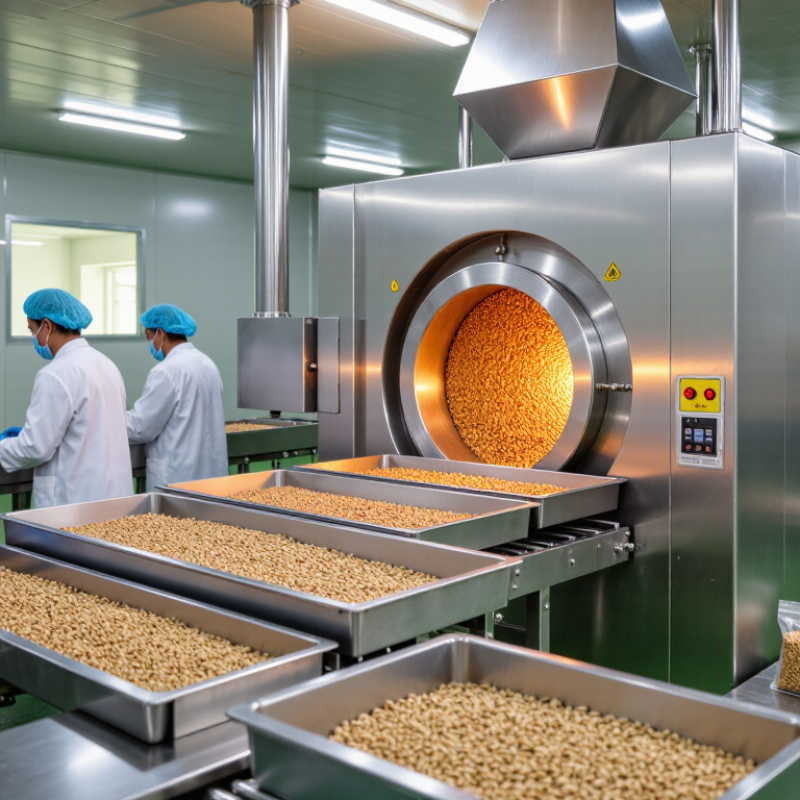
A fried melon seeds factory in 2026 is more than a roasting line. It should track seeds from receiving through cleaning, seasoning, heating, and packing. At intake, staff can check size, visible damage, foreign material, and moisture. Small details matter. During roasting, consistent heat and timing help create an even crunch without burnt shells. Batch records should show process settings, cleaning checks, and any changes made during production. That paper trail makes quality easier to verify.
Reliable factories also protect freshness after roasting. Workers should cool seeds before sealing them in clean, moisture-resistant packaging, since trapped steam can soften the product. Ask for proof. Buyers can review product specifications, sample test results, packaging details, and traceability records rather than relying on attractive claims. Clear communication about shelf life and storage conditions is equally useful. No process is flawless; seasonal harvest differences can affect seed size and flavor. A capable supplier should explain how it manages those variations and where its limits remain. A polished certificate alone cannot show how a batch was handled on a busy production day.

Fried melon seeds are prepared through a series of checks, roasting or frying, seasoning, and cooling. The exact method depends on seed variety and the texture buyers want. Incoming seeds are inspected for size, cleanliness, and visible damage before processing. Moisture levels matter: seeds that are too damp may roast unevenly, while overly dry kernels can taste flat. Operators monitor heat and turning time so the shells color evenly without scorching. Oil use and temperature should be recorded and checked during production. Seasoning is usually applied while the seeds are warm, helping salt or spices cling to the shells. Then the seeds cool before packing. Small details matter.
Packaging protects crunch and flavor. Fully cooled seeds are weighed into food-grade bags, often using materials that limit moisture and oxygen exposure. A strong seal helps prevent leaks and softening during storage. Each pack can carry a batch code and packing date, allowing the factory to trace production records if a quality concern arises. Finished bags are checked for seal integrity and weight, then placed in clean cartons for shipment. Even a well-managed line can vary slightly between batches, so tasting samples and reviewing shelf-life results remain useful. Buyers should confirm pack sizes, seasoning levels, and storage conditions before placing a large order.
For global buyers, a fried melon seed supplier should show how food safety is built into daily production, not just printed on a certificate. Ask for documented hazard controls, cleaning schedules, and lot-level traceability. Incoming seeds should be checked for visible damage and foreign material; roasting time, temperature, and cooling need recorded controls. Small checks matter. Oil condition and finished-product moisture also affect flavor, shelf life, and consistency. Records should connect each finished lot to its raw-material batch.
Tips: Request recent test results for relevant microbiological and contaminant risks, plus a clear ingredient and allergen statement. Confirm that packaging protects the seeds from moisture and oxygen during shipping. Compare a retained sample with the shipment. Do not rely on appearance alone.
Requirements differ by destination and buyer specification, so suppliers should verify current market requirements before shipping. A capable factory can explain its sampling plan, corrective actions, and complaint process in plain language. If answers are vague, pause. Even good systems can miss things; periodic independent testing and honest review help reveal gaps early.
Choosing a fried melon seeds factory takes more than comparing prices and catalog photos. Ask how raw seeds are sorted, roasted, cooled, and packed. Request recent batch records showing time, temperature, moisture checks, and lot traceability. Then compare those records with a sample from a normal production run, not a specially prepared sample.
Food safety deserves equal attention. The WHO’s 2015 estimates attributed about 600 million illnesses and 420,000 deaths each year to contaminated food worldwide. Buyers should check sanitation schedules, pest-control logs, allergen handling, and independent laboratory results. Look for tests suited to the product and destination market, and confirm how failed results trigger corrective action. Details matter: can the factory trace one carton back to its seed lot and roasting shift?
Capacity claims need proof. Review output per shift, packing-line speeds, maintenance records, and peak-season lead times. A site visit can reveal practical issues, such as mixed lots near the cooling area or unclear label checks. Ask for a trial order and measure breakage, seasoning consistency, seal quality, and delivery accuracy. A tidy audit binder helps, but it cannot prove every shift performs well. I would keep some doubt—and verify again.
Use this buyer-oriented scorecard to compare suppliers. The suggested weights are for evaluation purposes, not a universal industry standard. Verify documents, product specifications, and local import requirements before placing an order.
| Evaluation Dimension | Suggested Weight | What Buyers Should Evaluate | Evidence to Request or Check |
|---|---|---|---|
| Food Safety Management | 20% | Assess whether the facility identifies and controls food-safety hazards throughout receiving, roasting, seasoning, packing, and storage. | A current food-safety certificate, its scope and issuing body, audit records, hazard-control procedures, and corrective-action records. Confirm certificate validity with the issuer where possible. |
| Raw Material Control | 15% | Check how melon seeds are approved, inspected, and stored, including controls for foreign material, moisture, pests, and incoming-lot consistency. | Supplier approval procedures, incoming inspection records, storage conditions, lot identification, and applicable test reports. |
| Roasting and Process Control | 15% | Evaluate the consistency of roast level, flavor, texture, and seasoning application across production batches. | Process flow, documented operating parameters, equipment maintenance records, batch records, and representative samples from different production lots. |
| Quality Testing and Product Specifications | 15% | Confirm that agreed specifications cover relevant product attributes, such as flavor, appearance, size or grade, moisture, packaging, and shelf life. | A written product specification, quality-control plan, sample inspection results, and test reports from qualified laboratories where testing is required. |
| Traceability and Recall Readiness | 15% | Determine whether finished goods can be linked to production batches and incoming materials, and whether the facility can conduct a documented traceability exercise. | Sample batch records, lot-code explanation, traceability exercise results, and written withdrawal or recall procedures. |
| Production Capacity and Lead Time | 10% | Compare the supplier's demonstrated output, available production windows, minimum order quantity, and ability to handle seasonal demand. | Capacity statements supported by production schedules, typical lead-time ranges, order history references where available, and a clear explanation of peak-season constraints. |
| Packaging and Shelf-Life Protection | 5% | Review packaging suitability for the product, storage, transport, and destination-market requirements. Confirm that shelf-life claims are supported. | Packaging material specifications, pack-size options, sealing checks, storage instructions, and shelf-life substantiation. |
| Export Documentation and Communication | 5% | Check experience preparing accurate shipment documents and responding clearly to destination-specific labeling and import questions. | Redacted examples of relevant export documents, label-review workflow, shipment coordination process, and named points of contact by role. |
| Total Suggested Weight | 100% | Adjust the weighting to match the product, destination market, order size, and buyer's risk priorities. | |
Practical scoring: Rate each dimension from 1 (insufficient evidence) to 5 (strong, verified evidence), then apply the suggested weight. Treat unresolved food-safety, traceability, or legal-compliance concerns as reasons for further review rather than relying on the total score alone.
For global buyers comparing fried melon seed factories in 2026, export readiness matters as much as taste. UNCTAD’s Review of Maritime Transport 2024 reported that global maritime trade grew 2.4% in 2023, while route disruptions continued to complicate shipping. Ask suppliers for recent export records, realistic lead times, and clear responsibility for freight, insurance, and customs documents. A low quotation means little if cartons arrive late or paperwork needs correction.
Inspect the product, not just the presentation. Request batch-specific results for moisture, microbiological quality, and contaminants, checked against the destination market’s requirements. Ask how roasting temperatures are recorded and whether production lots can be traced to raw-seed intake. Packaging should resist moisture: open a sample carton and check seals, inner liners, and seed crispness after transit simulation. Small details matter.
No audit predicts every humid-container surprise. Before placing a large order, test a commercial sample and confirm carton dimensions, pallet pattern, shelf-life basis, and claim procedures in writing. Compare suppliers on response speed and evidence, not promises. The World Bank’s Logistics Performance Index 2023 evaluates customs, infrastructure, shipment arrangements, tracking, and timeliness; use similar criteria when reviewing a factory’s logistics partners. Keep some buffer in the schedule. Even careful planning can miss a port delay.
Suggested evaluation weights for global buyers in 2026. Product quality and food safety receive the highest priority; adjust the weights to fit your product specifications, destination market, and shipping route. These are planning recommendations, not published market statistics.
2025 Bio-Botanica, a division of Bio Answer Holdings Inc. All Rights Reserved.