
Gas Detection is a critical aspect of safety in various industries. From oil and gas to manufacturing, proper gas detection solutions protect workers and environments. Choosing the right equipment can be challenging. The market offers numerous options, each with unique features and capabilities.
Understanding your specific needs is essential. Different gases require different detection methods. Some solutions excel in volatile environments, while others suit confined spaces. Many buyers may overlook vital aspects, leading to inadequate protection.
This guide aims to explore the best gas detection solutions available for global buyers. By considering expert insights and industry standards, we can help identify reliable products. Knowledge of technology and user experience will be essential. Finding the right gas detection systems ensures safety and compliance in any operation.
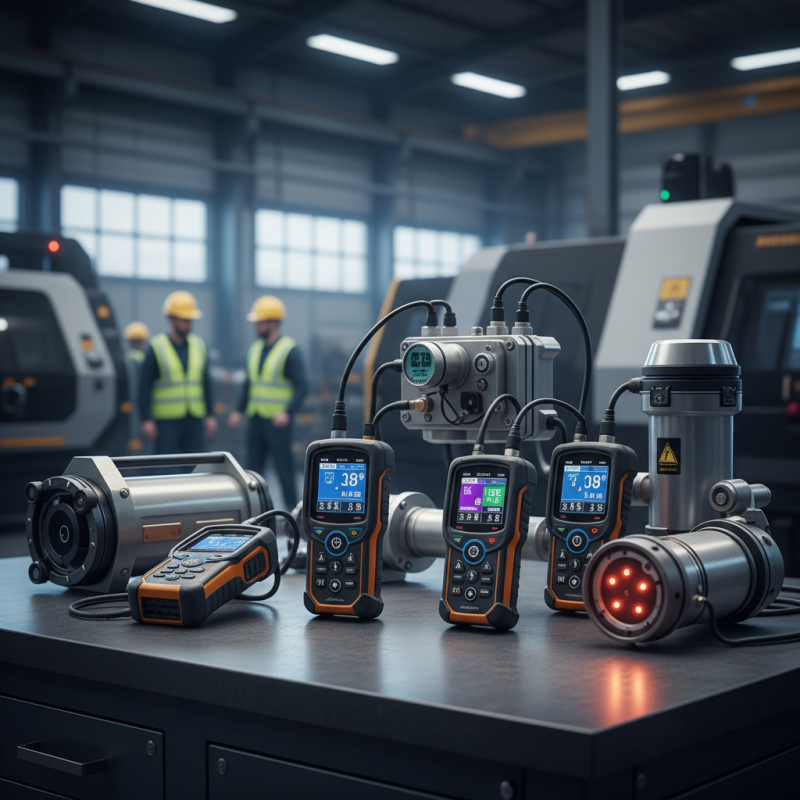
Gas detection technology has evolved significantly over the years, driven by the need for safety in various industries. Understanding gas detection types is essential for global buyers seeking reliable solutions. The key categories include electrochemical sensors, infrared sensors, and catalytic sensors. Each type has unique advantages and limitations. For instance, electrochemical sensors are effective for detecting toxic gases like carbon monoxide. However, they require regular calibration to maintain accuracy.
Infrared sensors work well with combustible gases. They have a long lifespan and require less maintenance. Yet, their performance can be affected by factors such as temperature fluctuations and humidity. According to a report by the International Association of Oil and Gas Producers, proper gas detection can reduce workplace incidents by up to 20%. This emphasizes the importance of selecting the right type based on specific needs.
Catalytic sensors, on the other hand, are preferred for flammable gases. They operate by measuring heat produced during combustion. Despite their effectiveness, these sensors can be affected by poisons, leading to potential false readings. Industry data highlights that nearly 15% of gas detection failures result from improper sensor choices. Buyers must weigh these factors carefully to ensure safety and reliability in their operations.
| Gas Detection Type | Detection Principle | Common Applications | Sensitivity Range | Calibration Frequency |
|---|---|---|---|---|
| Infrared (IR) Sensors | Absorption of Infrared Light | Oil & Gas, Chemical Processing | 0-100% LEL | Every 6-12 months |
| Catalytic Bead Sensors | Oxidation of Combustible Gases | Hazardous Locations, Confined Spaces | 0-10% Vol | Monthly to Quarterly |
| Electrochemical Sensors | Electrochemical Reaction | Industrial Safety, Environmental Monitoring | 0-1000 ppm | 3-6 months |
| Photoionization Detectors (PID) | Ionization of Gas Molecules | Volatile Organic Compounds (VOCs) | 0.1 - 2000 ppm | Monthly to Bi-annually |
| Semiconductor Sensors | Changes in Electrical Resistance | Smart Homes, Industrial Applications | 1 - 1000 ppm | Every 6 months |

When selecting gas detection equipment, understanding key features is essential. Buyers should focus on the sensitivity and range of detection. Equipment should accurately identify a wide variety of gases, whether common or hazardous. Look for devices that can detect even trace levels of gases. This capability is crucial in environments where safety is paramount.
Calibration options are another important feature. Continuous accuracy is vital for reliable readings. Users should find instruments that allow easy calibration. Some devices offer automatic calibration, which simplifies usage. The robustness of the equipment also matters. Choose detectors that can withstand challenging environments, including high humidity or extreme temperatures. Durability can significantly affect long-term performance.
Battery life is crucial as well. Long-lasting power ensures that detectors remain functional in critical situations. Some models may need regular replacements, which could be inconvenient. Regular maintenance checks are a responsibility that users must take seriously. Reflecting on the balance between advanced features and practical use is essential. Ultimately, the right gas detection solution should provide both reliability and accessibility for all users.
Gas detection is crucial in various industrial applications. These solutions ensure the safety of workers and the environment. Choosing the right detection system can be challenging. There are several factors to consider, including sensor accuracy and response time.
Consider fixed gas detectors for large areas. They provide continuous monitoring and can detect multiple gases simultaneously. Portable gas detectors are ideal for confined spaces. They are lightweight and easy to carry. Many workers prefer them for various tasks.
However, not all solutions work perfectly in every scenario. False alarms can create confusion. Regular maintenance is essential for optimal performance. Training staff to use these tools effectively is vital. Conversations around improving gas detection technology are ongoing. The industry must adapt continually to emerging challenges and risks.
When considering gas detection solutions, it’s crucial to evaluate portable and fixed gas detectors. Each type offers unique benefits and drawbacks that can suit different needs. Portable detectors are ideal for on-the-go assessments. They provide flexibility, allowing users to move through various environments, adjusting to immediate safety concerns. However, they may lack the comprehensive monitoring capabilities of fixed detectors.
Fixed gas detectors, on the other hand, stay in place and continuously monitor air quality. They are perfect for specific areas with consistent risk levels, such as industrial workplaces. Their installation reduces the need for manual checks. However, they can be limited in applications where gas emissions vary greatly or move frequently.
Tips: Regular calibration is key for both detector types. Invest in training for users to maximize functionality. Ensure that detectors are placed in strategic locations for the best performance. Regular reviews and audits of gas detection systems can highlight any areas needing improvement.
Emerging technologies in gas detection are reshaping safety standards worldwide. Advanced sensors now detect gases at incredibly low concentrations. Innovations such as photoionization detectors and electrochemical sensors are leading the charge. These tools provide more precise readings, even in challenging environments. Improved data analytics enhance real-time monitoring.
Wireless technology plays a vital role in modern detection systems. It allows for seamless integration into existing safety protocols. Users can receive alerts almost instantly. However, reliance on technology poses its own challenges. Maintenance is crucial to ensure accuracy. If neglected, sensors may fail to function correctly, causing potential risks.
Moreover, artificial intelligence is gaining traction in gas detection. Machine learning algorithms can predict gas leaks before they occur. This proactive approach boosts workplace safety. Yet, there’s a need for human oversight. Automation cannot replace the instinct and experience of trained professionals. Integrating these technologies means balancing innovation with careful consideration of human factors.
2025 Bio-Botanica, a division of Bio Answer Holdings Inc. All Rights Reserved.