
Choosing the best Hypoallergenic Diapers in 2026 can feel like a small decision with very visible consequences. A red waistband, damp pajamas, or a fragrance that lingers after opening the package can quickly change a family’s priorities. “Hypoallergenic” sounds reassuring, but it is not a guarantee that every baby will tolerate a diaper. Skin can react differently, even to products with similar labels.
A useful comparison looks beyond the front of the package. It checks ingredient and material disclosures, fragrance claims, absorbency, fit, and how clearly a brand explains its manufacturing choices. A diaper that stays dry through a nap may still leak around a moving baby’s legs. And a soft interior does not tell the whole story. Parents can compare product information, review independent testing when available, and try a small pack before committing to a subscription or bulk order. That approach is practical, though not perfect; product details can change, and online reviews cannot predict one child’s experience. If irritation persists or seems severe, a pediatric health professional can help assess possible causes. This guide explores options for different needs and budgets, while noting what the available evidence can—and cannot—say.
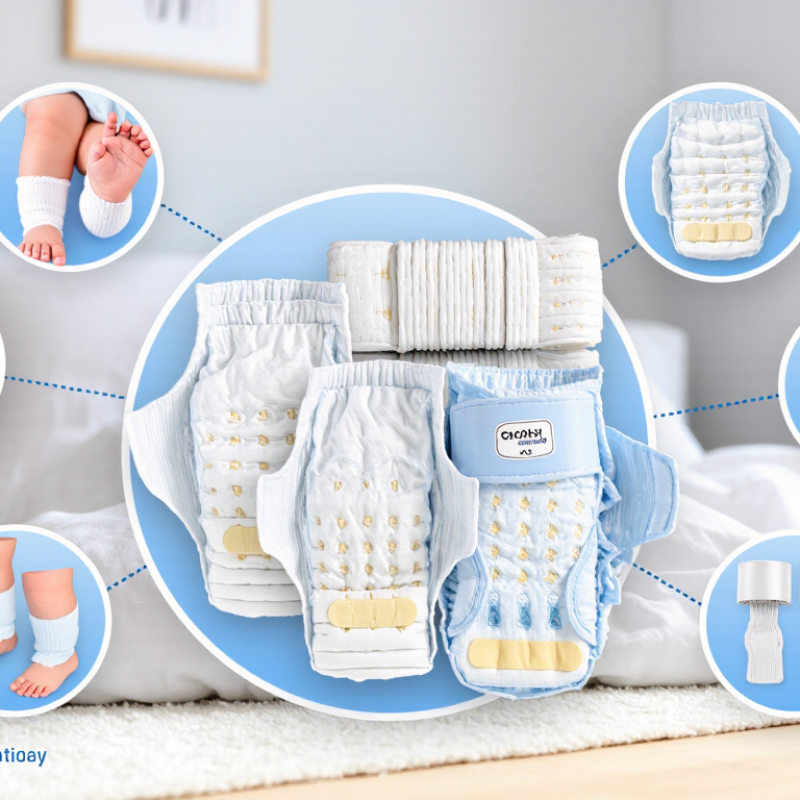
“Hypoallergenic” sounds like a safety guarantee, but it is not. On a diaper, it generally signals that the maker intends to reduce common irritants or allergens; it does not mean reactions are impossible. The word alone tells you little about which materials were tested or how. Check the product’s ingredient and material disclosures, especially for fragrance, lotions, dyes, and adhesives. Details matter.
A clinical review in Clinics in Dermatology reports diaper dermatitis estimates ranging from 7% to 35%, with results varying by study and population. That figure covers irritation, not confirmed allergy. Often, dampness, friction, and contact with stool contribute to redness; an allergic reaction is only one possibility. A red patch is not a diagnosis. I’d be cautious about blaming a single diaper without considering fit, how long it stayed wet, and other products touching the skin.
Look for clear, specific claims rather than relying on the label. If a child has recurring redness, note where it appears: irritation may follow areas exposed to moisture, while a contact reaction can match a material’s contact pattern. This clue is imperfect. Persistent, painful, blistering, or spreading rash deserves advice from a pediatric clinician, who can assess causes and suggest appropriate testing.

Materials and Features That May Help Reduce Irritation
A useful diaper choice starts with the skin, not the label. “Hypoallergenic” does not guarantee zero irritation, and the term may not describe the same materials across products. Nield and Kamat’s 2007 clinical review in Clinical Pediatrics estimates diaper dermatitis affects 7–35% of infants. Wetness, friction, and contact with stool can all contribute. Look for fragrance-free options, soft inner layers, and an absorbent core that helps keep moisture away from skin. If your baby reacts repeatedly, check for dyes, lotions, or elastic areas that touch the rash.
Breathable materials may help limit warmth and dampness, while a comfortable fit can reduce rubbing around the thighs and waist. No single feature works for every baby. Even a well-reviewed diaper can irritate sensitive skin; that part is easy to overlook when comparing packaging. Change diapers regularly, clean gently, and allow the area to dry before fastening a fresh one. Persistent or worsening rashes deserve advice from a pediatric clinician, especially if the skin is broken or looks infected.
Tips: Try one new diaper type at a time and note any change in redness. Keep the fit snug, not tight. A simple diary can help, though it may not reveal the cause right away.
The best choice depends on your baby’s skin, fit, and daily routine. “Hypoallergenic” is not a guarantee that a diaper will suit every child. Check the package for clear information about materials, fragrance, dyes, and added lotions. A useful label should explain what the product contains, not rely only on broad claims. Fit matters. Gaps at the legs can cause leaks and leave damp skin, while a tight waistband may rub during crawling.
Tips: Try one new diaper at a time. Change it regularly, and note any redness, leaks, or strong odors. Keep notes. A simple record can help you spot patterns without guessing.
For a fair comparison, use each option for several days under similar conditions, such as overnight or during daycare. Check whether the diaper stays dry against the skin and whether its tabs remain secure after movement. If redness appears, consider other possible triggers, including wipes, creams, heat, or frequent moisture. I might be tempted to blame the diaper right away, but skin reactions can have more than one cause. Persistent, painful, or worsening irritation deserves advice from a pediatric healthcare professional.
Choosing a hypoallergenic diaper means comparing materials, fit, and absorbency—not just front-label claims. Fragrance-free options may suit babies sensitive to added scent, while cloth diapers offer reusable fabric but require frequent changing and careful washing. Some disposable options avoid certain lotions or dyes. “Hypoallergenic” does not guarantee a reaction-free diaper, and product formulas can change. Check the current ingredient and material details.
Skin irritation is common, but it has many causes. Jordan and colleagues’ study of infants, published in Pediatric Dermatology in 1986, found diaper dermatitis in about 16% of those observed. That figure is a snapshot, not a prediction for every baby. When comparing options, look for a snug waistband, soft leg cuffs, and a surface that keeps moisture away from skin. If a rash persists or worsens, ask a pediatric clinician; irritation and allergy can look alike.
Tips: Try one new option at a time, and note the date, rash location, and changes after each diaper. Check for redness along the leg openings. A better fit may help, but no single feature works for every child. I’d also reconsider any “natural” claim that does not clearly name the materials.
What Are the Best Hypoallergenic Diapers in 2026?
Choosing a diaper depends on your baby’s skin and shape, not just a “hypoallergenic” label. That term does not guarantee that every child will tolerate every material. Check the packaging for fragrance, lotions, and other ingredients your baby has reacted to before. If your baby has sensitive skin, a simple design with fewer added ingredients may be easier to assess. Still, reactions can have several causes, so one product change may not explain everything.
Fit matters just as much. A diaper should sit snugly at the waist and thighs without leaving deep marks. Redness along the leg openings may point to friction or a tight fit, while frequent leaks can mean the size or cut is wrong. Try a small pack before committing to a larger supply, and note any changes after switching. Fit checks can feel fussy. They are useful, though.
Tips: Change wet or soiled diapers promptly, and clean the skin gently before letting it dry. Keep a brief note of products and symptoms; patterns may take time to notice. If irritation persists, worsens, or appears painful, ask a pediatric health professional for guidance.
Newborn wet-diaper counts are a practical reminder to check and change diapers regularly. They do not measure a diaper’s hypoallergenic properties or replace a healthcare professional’s advice.
How to use this chart: Wet-diaper counts generally increase during the first days after birth. For sensitive skin, consider fragrance-free options, check that the diaper fits comfortably without tight leg openings, and change wet or soiled diapers promptly. “Hypoallergenic” does not guarantee that a product will suit every child.
Reference: American Academy of Pediatrics, How to Tell if Your Breastfed Baby Is Getting Enough Milk. Follow your healthcare professional’s guidance for your baby.
2025 Bio-Botanica, a division of Bio Answer Holdings Inc. All Rights Reserved.