
Bulk packaging decisions rarely hinge on a green label alone. In 2026, buyers need bags that protect products, run smoothly on filling lines, and fit the recycling options available to their customers. A Recyclable packaging bag can be a practical choice, but its value depends on material design, local collection systems, and clear disposal instructions.
Architect and circular-design advocate William McDonough, alongside chemist Michael Braungart, popularized the principle, “Waste equals food.” For bulk buyers, that idea raises a useful question: can a bag’s material be recovered and used again in a real system? A package marked recyclable may still be difficult to sort if it combines incompatible layers, contains heavy coatings, or lacks a nearby collection route. Labels need scrutiny.
This guide compares bag formats through details buyers can verify: resin or fiber composition, barrier performance, seal strength, minimum order quantities, and supplier documentation. Picture a pallet of flour sacks exposed to warehouse humidity, or flexible pouches passing through a high-speed packing line. Small design choices matter. A thinner film may reduce material use, yet fail if it tears during shipping. There is no perfect bag for every product.
We also consider recycled-content claims, print coverage, closures, and end-of-life guidance. Buyers should request current technical data and test samples under actual operating conditions. Supplier claims deserve questions, not assumptions. The strongest option is often the one that balances product protection with a credible recovery pathway—and documents both. This review aims to make those trade-offs easier to compare, while recognizing that recycling access and packaging performance vary by market.
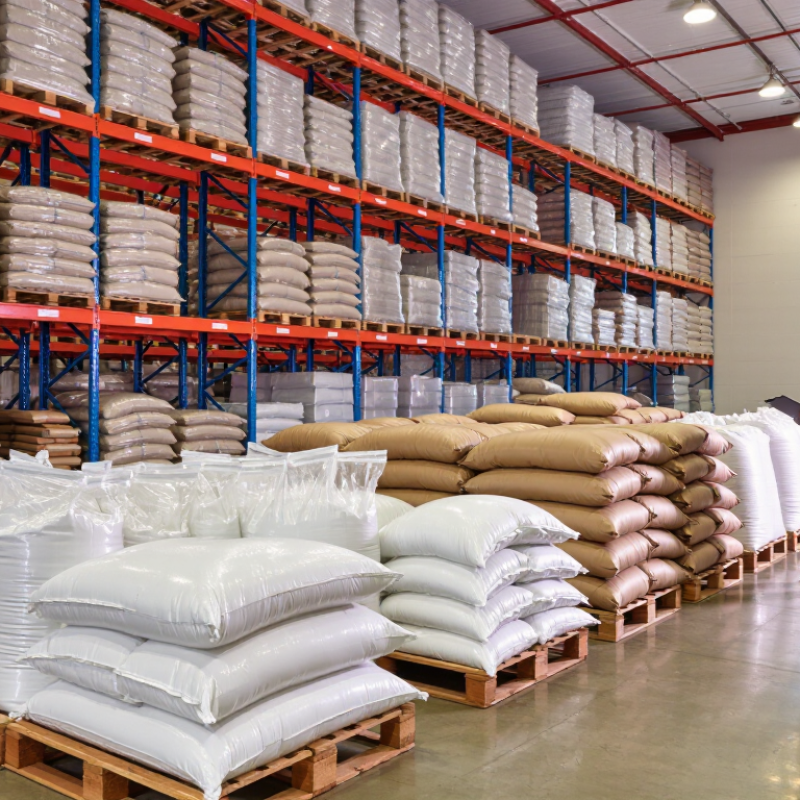
Bulk buyers should judge a recyclable bag by its full recovery route, not its material label alone. Mono-material polyethylene or polypropylene structures can simplify sorting compared with mixed laminates. Paper bags may suit dry goods, but wet-strength coatings and bonded windows can complicate fiber recovery. Small details matter.
Formats range from flat pouches and gusseted sacks to liners and flexible mailers. A zipper, valve, foil layer, or heavy ink coverage may affect sorting or reprocessing. Ask suppliers for the material structure, component breakdown, and evidence supporting recyclability claims. Then check whether local collection accepts that exact format. Access varies.
For a high-volume order, test samples through filling, sealing, transport, and storage before committing. A bag that splits in transit creates waste, even if its resin is technically recyclable. Confirm customer collection instructions, and keep printed guidance clear. There is no perfect format. Recovery systems differ, and flexible packaging remains difficult to recycle in many areas. That gap deserves honest review.

Recyclable Packaging Bags: Materials, Formats, and Recovery Routes
Representative densities for unfilled resin grades are shown; actual values vary by grade and additives. Polyethylene (PE) and polypropylene (PP) are less dense than water, while PET is denser. This can inform material separation, but density alone does not determine whether a bag is recyclable. Check local collection rules: clean, mono-material films may be accepted through designated film collection, while multilayer structures and flexible packaging routes vary by location.
For bulk packaging, the right structure depends on the product, local collection systems, and shipping conditions. Mono-PE bags can simplify material identification where polyethylene film collection exists. PP offers useful stiffness for heavy powders or parts, but local acceptance varies. Paper bags suit dry goods and provide a familiar fiber-based format. Add a moisture barrier, though, and the bag may no longer fit every paper mill’s process. Fit matters. OECD reported that only 9% of global plastic waste was recycled in 2019, in its 2022 Global Plastics Outlook. That figure is a reminder: a recyclable design is not the same as a recycled bag.
Barrier structures protect aroma, moisture-sensitive contents, and shelf life. They can also complicate sorting when layers use different materials. For bulk orders, ask suppliers for the full layer composition, seal performance, and evidence supporting recyclability claims. Then check whether local collection programs actually accept the format. The US EPA’s 2018 Advancing Sustainable Materials Management report recorded a 68.2% recycling rate for paper and paperboard; that broad category does not guarantee acceptance of coated bags. Test filled bags through transport and storage, too. A package that fails at a pallet corner wastes material in a different way. There is no perfect choice, and barrier needs can be easy to underestimate.
| Packaging structure | Typical material makeup | Barrier and protection | Bulk-use advantages | Main limitations | Recycling considerations | Best suited to |
|---|---|---|---|---|---|---|
| Mono-PE | Polyethylene-based film layers, often using different PE grades for strength and sealing. | Good moisture resistance; oxygen and aroma protection is generally more limited than in foil or high-barrier laminate structures. | Flexible, lightweight, heat-sealable, and suitable for a range of pouch and bag formats. A single polymer family can simplify material sorting compared with mixed-polymer laminates. | May need thicker film or a different structure where puncture resistance or strong oxygen protection is essential. | Recycling access for flexible PE film varies by location. It is not accepted in many curbside programs; check local collection rules and the finished pack’s compatibility with the intended recycling stream. | Dry goods, refills, and products needing moisture protection where local flexible-film collection is available. |
| Mono-PP | Polypropylene-based film or woven fabric; coatings, windows, closures, and labels can affect the overall material design. | Provides moisture resistance; actual gas and aroma barrier depends on film grade, thickness, and bag construction. | Can be made into lightweight flexible bags or durable woven sacks. Woven PP is commonly used where load handling and tear resistance are important. | Flexible PP collection is limited in many regions. Woven formats may require dedicated collection or recycling routes. | PP is recyclable in some established systems, but acceptance of films and woven bags is not universal. Confirm that the specific format is collected and sorted locally. | Bulk dry materials, reusable-handling applications, and products requiring sturdy woven sacks. |
| Paper bag | One or more paper plies; may include a moisture-resistant coating, liner, window, or adhesive. | Paper provides a printable, opaque surface but is vulnerable to moisture unless specially treated or combined with a liner. | Can be made with renewable fiber, is easy to print, and may be suitable for products that do not require a strong moisture or oxygen barrier. | Can lose strength when wet; performance depends on paper grade, ply count, seams, and handling. Coatings or plastic liners can complicate recycling. | Clean paper bags are commonly recyclable where paper collection exists. Heavily soiled bags and paper-plastic constructions may not be accepted; follow local guidance. | Dry, relatively low-moisture goods and applications where a paper appearance and print surface are priorities. |
| Barrier laminate | Two or more bonded layers, which may combine plastics with a barrier layer such as aluminum foil or a metallized film. | Can deliver strong protection against moisture, oxygen, light, and aroma when designed for the product and validated by testing. | Useful for products with demanding shelf-life or light-sensitivity requirements; offers flexibility in structure, sealing, and package format. | Mixed materials are difficult to separate in conventional recycling systems, and the barrier layer can make material recovery more challenging. | Often not accepted in standard curbside recycling. Specialized collection or recycling may exist, but availability and acceptance depend on the exact construction and location. | Products requiring higher barrier performance, including moisture-, oxygen-, or light-sensitive goods. |
Note: Recyclability depends on the complete package design and local collection, sorting, and processing facilities. Confirm barrier performance with product-specific testing and verify recycling acceptance in the destination market before selecting a bulk format.
OECD estimates that only 9% of plastic waste was recycled in 2019. That figure is a useful reality check for bulk buyers choosing packaging bags. A bag marked recyclable is not automatically recycled; collection, sorting, and processing must also be available. The route after use matters as much as the material itself.
For bulk orders, ask suppliers for the bag’s material structure and recycling guidance. A single-material design can be easier to sort than a pouch combining several bonded layers. Check closures, labels, inks, and coatings, too. Small details count. Then confirm that the intended recycling stream accepts the complete bag in the markets where customers will use it.
That sounds neat on a specification sheet. Real collection systems are uneven, and packaging choices cannot fix that alone. Still, simpler construction can reduce avoidable barriers. Request clear, testable material information, and be wary of broad claims without supporting details.
Even a well-designed bag may be discarded when local facilities cannot handle it. That gap deserves more attention.
For bulk buyers, a recyclable packaging claim is only useful when customers can access a suitable collection route. Check the exact bag structure, including coatings, inks, closures, and labels. A package may use a recyclable material yet still be rejected by local sorting facilities. Ask municipal programs or regional materials recovery facilities whether they accept that format. Film and flexible bags often need a separate drop-off stream rather than curbside collection. Details matter.
Tips: Compare the bag’s construction with current Association of Plastic Recyclers (APR) Design Guide recommendations. Treat the guide as a design-screening resource, not proof that every community accepts the bag. Request written material specifications from suppliers. Then confirm collection instructions with the places where your customers operate. Test a sample, too.
Keep records of the claim, the guidance reviewed, and the locations checked. Collection rules can vary between nearby towns and change over time. A clear label should explain the available route without implying universal acceptance. If reliable collection is limited, reconsider the material or revise the claim. This step can feel slow. It is still better than asking customers to guess. Bulk purchasing makes a small packaging decision repeat across many shipments, so verify before committing to a large order.
Bulk buyers should score each bag by usable-unit cost, not quoted price alone. Record the minimum order quantity per size, print option, and material. Then add tooling, freight, storage, and expected damage. A low unit price can hide a costly first order. Check whether the supplier can repeat the same specifications across production runs.
Protection needs evidence. Request sample bags and test seals, puncture resistance, and moisture protection with the actual product and shipping route. Test it. A bag that survives a tabletop check may fail after rough handling or long storage. Set acceptance limits before ordering, and keep test results with the purchase record.
End-of-life claims need equal scrutiny. Ask what material the bag uses and whether local collection and sorting systems accept it. The OECD’s Global Plastics Outlook (2022) reports that packaging generated about 40% of global plastic waste in 2019. That figure is global, not a forecast for any buyer’s waste stream. I would still question broad “recyclable” claims without destination-specific evidence. A practical scorecard should compare verified recovery access, protection performance, landed cost, and MOQ—not assume one feature outweighs the others.
2025 Bio-Botanica, a division of Bio Answer Holdings Inc. All Rights Reserved.