Choosing the best Turkey Tail Extract in 2026 takes more than comparing bottle prices or reading a bold “high potency” claim. Extracts can differ in mushroom source, processing method, serving size, and the compounds listed on the label. Those details matter. A clear label should identify the species, explain how much extract each serving provides, and describe any standardized compounds without relying on vague promises. Independent testing information can add useful context, though a logo alone does not prove a product is right for everyone.
This guide compares products using practical criteria: ingredient transparency, manufacturing and testing details, value per serving, and ease of use. It also considers whether claims are supported by credible evidence rather than repeating promotional language. Some research on Turkey Tail is still developing, and findings from specific studies do not automatically apply to every supplement. That distinction is easy to miss. A tidy label can still leave questions unanswered.
There is no single best choice for every person. Dietary needs, medications, health conditions, and personal preferences may affect what is suitable. Anyone considering a supplement, especially someone receiving medical care, should discuss it with a qualified healthcare professional. The comparisons ahead aim to make shopping clearer, not to promise a health outcome. Even careful product reviews have limits, so checking current labels and testing records remains worthwhile.
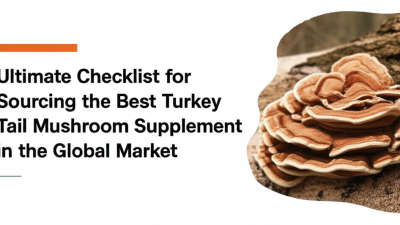
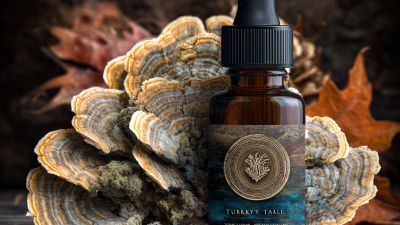
Turkey tail is the common name for Trametes versicolor, a bracket fungus found on decaying wood. Its thin, fan-shaped caps often show brown, cream, and rusty bands. Extract labels may mention PSK or PSP, but these are not simply interchangeable names for the mushroom. They refer to different protein-bound polysaccharide preparations studied for their distinct compositions and uses. It matters.
PSK has been studied as an adjunct to standard cancer treatment in Japan. The National Cancer Institute’s PDQ evidence summary describes a meta-analysis of eight randomized trials involving 8,009 people with stomach cancer; the trials examined PSK alongside chemotherapy. That result concerns a specific preparation and medical setting. It does not establish that retail supplements work the same way.
For a careful comparison, check whether the label identifies Trametes versicolor and states which mushroom part was used. Look for independent testing details, including identity, strength, and contaminant screening. “Turkey tail extract” alone tells you little about PSK or PSP content. A 2022 review in Frontiers in Pharmacology also describes wide variation in mushroom products and preparation methods. That variability makes “best” difficult to define; I would want clear test results before trusting a confident label.
What Is the Best Turkey Tail Extract in 2026?
Compare Extract Labels: β-Glucans, Polysaccharides, and Extraction Methods
A turkey tail label can look precise while leaving key details unclear. β-glucans are a type of polysaccharide, but “total polysaccharides” does not tell you how much beta-glucan is present. That number may include other carbohydrates, so compare products only when the label clearly separates the measures. Numbers need context.
Look for the amount per serving, not just a percentage on the front of the package. Check whether the extract comes from the fruiting body, mycelium, or both. A hot-water extraction is commonly used to obtain water-soluble compounds. “Dual extraction” usually refers to water and alcohol methods, but the phrase alone does not prove a product is stronger or better. Details matter.
A more useful label explains its testing method and identifies how beta-glucans were measured. Different assays can produce results that are difficult to compare directly. Batch-specific testing for identity, contaminants, and stated potency can add useful transparency. If those details are missing, it is reasonable to pause and ask the manufacturer for documentation. Labels are imperfect tools; even careful comparisons cannot establish how an individual will respond.
Compare extract labels: β-glucans, polysaccharides, and extraction methods
This is a label-reading checklist, not a ranking or test of products. Look for a stated β-glucan amount, the extraction method, and clear identification of the mushroom material. β-glucans are a type of polysaccharide, so a total-polysaccharide figure alone does not tell you the β-glucan amount.
What Is the Best Turkey Tail Extract in 2026?
A “best” turkey tail extract is not simply the one with the boldest claims. Check whether the label identifies the mushroom’s scientific name and says which part was used. “Fruiting body” should mean the cap-and-stem structure, not an unspecified blend. A clear label matters. If the product lists only a large polysaccharide number, ask what was measured; that figure alone does not prove quality.
Look for a certificate of analysis, or COA, tied to the specific batch you are considering. It should name the laboratory, show the test date, and report results—not just say “passed.” Check for testing of heavy metals, microbes, and pesticides. Methods and detection limits add useful detail, though they can be hard to interpret. That is worth noticing. An independent lab is reassuring, but a logo or QR code is not proof by itself; verify that the report matches the lot number on the package.
Extraction details can also help explain what is in the product, but they do not guarantee effectiveness. Compare the stated extract ratio and ingredients, and be cautious when the company makes sweeping health promises. I would want clear documentation before paying more for a premium label. Even then, a COA cannot confirm every claim about sourcing or consistency. Check what it actually covers.
The most useful human evidence is modest: Torkelson and colleagues’ 2012 phase I study enrolled 11 women with breast cancer. Participants took 3, 6, or 9 grams daily for six weeks. The preparation was freeze-dried turkey tail mycelium, not a universal extract formula. Small, but informative.
Researchers assessed safety and immune-cell measures, not whether turkey tail could treat cancer or prevent recurrence. The report found the preparation generally tolerable and noted changes in some immune measures. But eleven participants, short follow-up, and no control group cannot establish a best dose or prove clinical benefit. Not proof.
That distinction matters when comparing products. A label’s total mushroom weight does not reveal its extraction method, beta-glucan content, or whether its material matches the trial preparation. Look for batch-specific identity and contaminant testing, plus a clearly stated dose. These checks improve transparency; they do not reproduce the study. The trial appeared in ISRN Oncology (Torkelson et al., 2012; article 251632), and its small sample makes broad product rankings premature. A “best” extract remains uncertain based on this human evidence.
What Is the Best Turkey Tail Extract in 2026?
Choose a Turkey Tail Extract in 2026 by Quality, Evidence, and Transparency
A good turkey tail extract is not defined by a bold label or the largest milligram number. Check whether it uses the mushroom’s fruiting body, mycelium, or both, and whether the source is clearly stated. Look closely. A stated extraction method and batch-specific test results can help you assess what is actually in the bottle. Tests should cover identity, microbes, and contaminants such as heavy metals.
Numbers need context. A high polysaccharide figure may not reveal how much beta-glucan the product contains, or how those compounds were measured. Ask whether the company explains its testing methods and provides results for each batch. A long ingredient list is not automatically better. Still, independent testing cannot tell you how your body will respond.
Research on turkey tail preparations is ongoing, and evidence for one extract should not be assumed to apply to every product. Be cautious of claims that promise to prevent or treat disease. If you have a health condition, take medication, or are considering supplements during treatment, discuss it with a qualified healthcare professional. Transparency is useful, but it is not proof of effectiveness.
| Decision factor | Evidence-based benchmark | What to check on the label or documentation | Why it matters |
|---|---|---|---|
| Species identity | Turkey tail is Trametes versicolor, also known in older literature as Coriolus versicolor. | Look for the full Latin species name, not just “mushroom blend” or “turkey tail.” | Clear identification makes it easier to assess what the product contains and compare research relevance. |
| Part and material used | Products may use fruiting bodies, cultured mycelium, or both. These materials are not automatically interchangeable. | Check whether the label names the material and states whether grain or other substrate is included in the finished powder. | Knowing the source helps interpret the product’s composition and avoid treating unlike preparations as equivalent. |
| Extract details | There is no single extraction method or composition shared by all turkey tail supplements. | Prefer a clear description of the extraction process and the amount of extract per serving. Treat vague “concentrate” claims cautiously. | Extraction and processing can affect the compounds present; a ratio by itself does not establish potency or clinical equivalence. |
| Beta-glucan information | Turkey tail contains polysaccharides, including beta-glucans, but “total polysaccharides” is not the same measurement as beta-glucans. | Look for a stated beta-glucan amount and a test method that specifically measures beta-glucans, rather than relying only on a total-polysaccharide figure. | Specific, method-described results are more informative than broad or ambiguous percentage claims. |
| Clinical evidence | Research includes particular preparations, including PSK used as an adjunct in oncology in Japan. That evidence does not establish that every retail turkey tail supplement has the same effects. | Check whether claims identify the preparation studied and whether the cited research concerns the actual product or a different preparation. | Evidence for one preparation cannot automatically be transferred to products with different sources, processing, or composition. |
| Dose and health claims | There is no universally established, evidence-based daily dose for all turkey tail supplements. | Look for a clearly stated serving size and avoid products promising to treat, cure, or prevent disease. | A serving amount is not proof of effectiveness. People receiving cancer treatment should discuss supplements with their oncology team. |
| Independent quality testing | Testing can help verify identity and screen for contaminants, but it does not prove clinical efficacy. | Look for a lot-specific certificate of analysis covering identity, relevant active-compound measurements, heavy metals, microbes, and other appropriate contaminants. Check the testing laboratory and methods. | Batch-specific documentation is more useful than a general quality statement that cannot be linked to the product lot. |
| Label transparency | A transparent label identifies the ingredient, amount per serving, other ingredients, serving instructions, and manufacturer contact details. | Check that quantities are disclosed rather than hidden in a proprietary blend, and that the lot number and expiration or best-by date are present. | Complete information supports comparison, traceability, and informed use. |
| Practical selection rule | The most defensible choice is a clearly identified Trametes versicolor product with disclosed source and extract details, specific beta-glucan testing, and accessible lot-specific quality documentation. No single supplement can be named “best” without comparable product-specific evidence. | ||
2025 Bio-Botanica, a division of Bio Answer Holdings Inc. All Rights Reserved.