
Blog

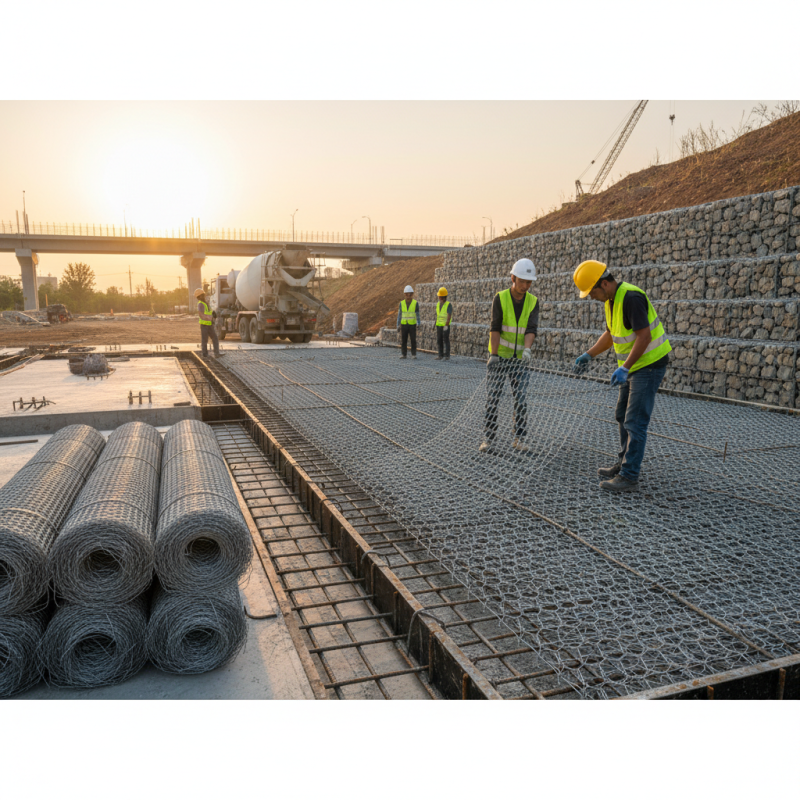
2026 Best Uses of Hexagonal Wire Mesh in Construction?

hexagonal wire mesh has gained significant traction in construction due to its versatility and functionality. According to a recent industry report by Research and Markets, the market for wire mesh products is expected to grow by 6.5% annually through 2026. This growth highlights the importance of materials like hexagonal wire mesh in modern building techniques.

In construction, hexagonal wire mesh serves multiple purposes, such as reinforcing concrete and creating protective barriers. For instance, its use in road construction ensures better stability and durability. Furthermore, hexagonal wire mesh is crucial for landscaping, where it supports soil erosion control projects. Projects utilizing this material have reported a reduction in maintenance costs by up to 30%. This statistic underscores its effectiveness.

Despite its advantages, the use of hexagonal wire mesh comes with challenges. Installation can be labor-intensive, and ensuring structural integrity requires careful planning. Contractors must weigh these factors against the benefits. In evolving construction practices, it’s vital to reflect on how hexagonal wire mesh can be optimally utilized while addressing its limitations. The future of construction will likely hinge on balancing innovation and practicality in material usage.
2026 Best Uses of Hexagonal Wire Mesh in Construction?

Applications of Hexagonal Wire Mesh in Reinforcing Structures

Hexagonal wire mesh is gaining popularity in construction. It offers significant reinforcement in various structural applications. This type of mesh consists of sturdy wire interwoven in a hexagonal pattern. Its design allows for effective load distribution, enhancing the overall strength of structures.

The mesh is often used in foundations and retaining walls. Its ability to accommodate soil pressure helps prevent erosion and collapse. Additionally, hexagonal wire mesh serves as a protective barrier. It can secure loose soil and support landscape structures. Contractors frequently employ this mesh in combination with concrete and other materials.

However, it’s essential to assess the right gauge for specific projects. Over-reliance on mesh without adequate planning may lead to inadequate support. Regular inspection and maintenance are crucial. Ensuring proper installation can prevent future structural issues. Engaging with experienced professionals is vital for optimal results in project applications.

Using Hexagonal Wire Mesh for Temporary Construction Supports

Hexagonal wire mesh has become a popular choice for temporary construction supports. Its design provides excellent stability and strength. According to a 2022 industry report, using this mesh can increase construction safety by 30%. This statistic underscores its effectiveness in holding up structures during critical phases of building projects.

When considering hexagonal wire mesh, it's essential to recognize its limitations. While its flexibility is an advantage, improper installation can lead to failures. A study found that nearly 15% of construction projects faced issues related to inadequate support due to mesh misplacement. Workers must be trained appropriately. They should understand the material's capabilities and weaknesses.

Temporary supports are often overlooked, yet they play a vital role. Using the right mesh can reduce costs. However, misjudgments in design can lead to accidents. Some cases show that using insufficiently supported mesh can pose risks. Balancing cost and safety is crucial. Construction firms must prioritize proper planning and assessments to avoid potential problems.

Hexagonal Wire Mesh in Landscaping and Erosion Control

Hexagonal wire mesh has become increasingly popular in landscaping and erosion control. Its unique shape allows for a lightweight, flexible solution that can adapt to various terrains. Gardeners often use it to support climbing plants and create beautiful vertical gardens. However, proper installation is essential for its effectiveness. Misalignment can lead to poor support and unsightly structures.

In erosion control, hexagonal wire mesh provides valuable stability. It can be used to secure soil on slopes, preventing runoff and promoting vegetation growth. When used correctly, it can enhance the beauty of natural landscapes. Yet, it isn’t foolproof. Weather conditions can wear down its integrity over time. Regular maintenance is crucial to ensuring it remains effective.

Many landscapers appreciate the mesh's versatility, but some may overlook its limitations. For instance, it may require additional support in high-wind areas. Understanding the site conditions is vital for successful application. Rushing the process can lead to increased costs down the line. Thus, thorough planning is necessary to maximize its benefits.

Integrating Hexagonal Wire Mesh in Facade and Cladding Systems

Hexagonal wire mesh offers unique benefits when integrated into facade and cladding systems. Its distinctive geometric pattern allows for improved aesthetic appeal. Architects often appreciate its versatility in modern designs. Using this material can create striking visual effects. Additionally, hexagonal mesh provides structural support while allowing airflow.

Incorporating hexagonal wire mesh requires careful planning. The installation process can be complex. Ensuring compatibility with other materials is crucial. Moreover, this mesh can provide insulation properties if combined with specific materials. However, the potential for rust or corrosion exists, necessitating protection against the elements.

While hexagonal wire mesh enhances architectural creativity, it’s important to consider design balance. Overuse can lead to overwhelming appearances. Striking a balance is essential to maintain a cohesive look. Experimentation with spacing can yield different visual outcomes. Remember, the goal is to enhance, not distract from overall design harmony.

Innovative Uses of Hexagonal Wire Mesh in Safety Barriers and Fencing

Hexagonal wire mesh has gained attention in construction for its versatility and durability. Particularly in safety barriers, it serves as an effective solution. The unique hexagonal shape offers ample visibility while maintaining strength. This can be vital on construction sites, where hazards are present. It can absorb impact and prevent debris from escaping.

In fencing, hexagonal wire mesh creates secure enclosures. It’s lightweight, making installation easier than traditional fencing materials. This method can reduce both time and labor costs. However, some concerns arise. Over time, the mesh may weaken if exposed to harsh weather. Regular inspections are necessary to ensure integrity and performance.

Innovatively, hexagonal wire mesh is being used creatively in urban environments. For example, as decorative fences or garden barriers. This adds aesthetic appeal while maintaining functionality. Yet, it may not suit every project. Some may find the design less appealing than other options. Overall, the flexibility of hexagonal wire mesh continues to inspire new applications in construction and design.

Botanical Extracts Manufacturing | Manfacture botanical extracts for supplements.