
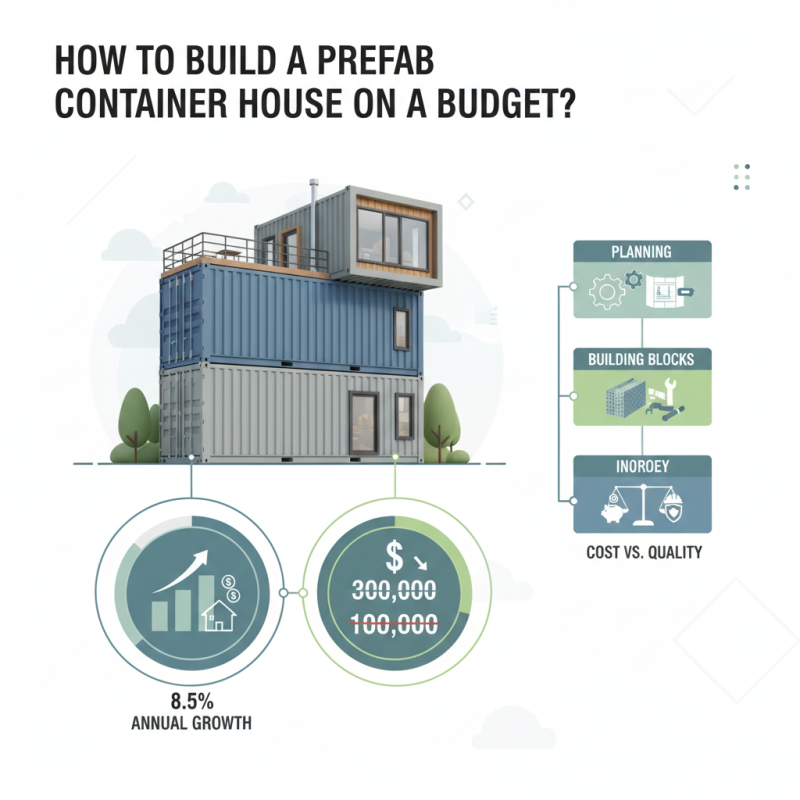
The concept of a Prefab Container House has gained immense popularity in recent years. According to a report by IBISWorld, the modular housing market is expected to grow by 8.5% annually. This growth reflects the rising demand for affordable and innovative housing solutions. A Prefab Container House offers a unique way to build stylish homes while staying within budget.
Constructing a Prefab Container House can be an economical choice. The average cost of traditional homes increasingly exceeds $300,000. In comparison, a well-designed container home can often be built for under $100,000. This significant difference attracts budget-conscious buyers looking for practicality and aesthetics. Yet, financial constraints can produce challenges in design and material choices.
Building a Prefab Container House requires thoughtful planning. One must consider insulation, plumbing, and overall design. Skimping on quality materials can lead to issues later. While the savings appear attractive, it’s crucial to maintain a balance between cost and quality. Reflecting on these choices ensures that the final product is both functional and durable.
Prefab container houses are gaining popularity. They are cost-effective and eco-friendly. These structures are made from shipping containers, repurposing materials that could otherwise go to waste. Their versatility allows for diverse designs. However, building one requires careful planning.
When considering a prefab container house, think about your needs. Do you want a small home or a larger space? The layout is crucial. Each container has a specific size, affecting the overall design. Be mindful of local zoning laws and regulations. They can impact your project significantly. It's common to overlook these details in the excitement of creating something new.
Budgeting is also a challenge. While these houses are cheaper than traditional homes, costs can add up. You may need help with insulation, plumbing, or electrical work. Some people underestimate these expenses. Planning a prefab house requires creativity and resourcefulness. Embrace the process, and don’t rush into decisions. A well-thought-out approach can lead to satisfying results.

Building a prefab container house on a budget requires careful planning. You need to identify all potential costs from the start. Begin by considering the container’s price. Not all containers are equal; even similar sizes can vary substantially in cost. Shipping fees could add extra expenses.
Another consideration is land costs. Prices differ greatly by location. You may need permits, which also come with fees. Don’t forget about utilities installation, as this adds to the budget significantly. Material choices for insulation and finishes can impact overall cost too.
Tips: Always get multiple quotes for every aspect of your project. This helps in making informed decisions. Prioritize essential features, and be ready to compromise on non-essential ones. A solid budget can guide your choices effectively. Remember to keep a buffer for unplanned expenses. Sometimes, oversights happen, and it’s essential to adapt and adjust.
| Cost Factor | Estimated Cost Range | Notes |
|---|---|---|
| Container Purchase | $1,500 - $3,000 | Used containers are cheaper; new containers cost more. |
| Land Preparation | $500 - $2,000 | Clearing and leveling the land can vary significantly based on location. |
| Foundation | $1,000 - $3,000 | Depends on type; concrete slabs are most common. |
| Insulation and Interior | $800 - $2,500 | Including walls, flooring, and ceilings. |
| Utilities Installation | $2,000 - $5,000 | Water, electricity, and sewage can be costly. |
| Permits and Fees | $200 - $1,000 | Varies by municipality and project scale. |
| Total Estimated Cost | $6,000 - $16,500 | Overall cost will depend on choices and local conditions. |
Selecting the right container is crucial in building a prefab container house on a budget. Look for containers that are structurally sound and free from major dents. While cosmetic flaws are common, they can impact overall appearance. Inspect the container thoroughly for rust, as this can lead to costly repairs later. A good deal may still hide significant issues.
Consider the size that fits your vision. Standard sizes include 20-foot or 40-foot containers. A smaller container can save money but may limit space. Think about the logistics of transport and delivery, as wider roads may be necessary for larger units. Remember, the location plays a huge role in selecting the right container. Environmental factors can affect your choice too. Containers in coastal areas might show more wear.
Don’t overlook insulation. A container’s metal surface can lead to temperature extremes. Simple insulation methods can cut costs in the long run. If you choose used containers, think about potential hidden costs, like cleaning or renovation. Also, plan for any modifications you might want. A careful selection now saves money and effort later.
Planning and designing a prefab container house requires careful thought. Start with a clear vision of your living space. Think about size and layout. Each container has its own dimensions. Measure your land to ensure a good fit. Create a floor plan that uses space wisely. Focus on functionality.
Consider natural light and ventilation. Windows can make a big difference. Placing them strategically is key. You might want open living areas. However, creating cozy nooks has its charm. Think about materials, too. Not everything has to be new. Salvaged items can save money. This requires creativity and effort.
Budget constraints may lead to difficult choices. It's important to reflect on priorities. What do you really need? Maybe less is more in certain areas. Adaptation is part of the journey. Sometimes, plans don’t go as expected. Be willing to revise and improve as you go along. Your house should not just be built; it should be crafted with care.
This chart illustrates the estimated costs involved in building a prefab container house. Each category represents a key component of the overall budget.
When considering building a prefab container house, the choice between DIY and hiring professionals is crucial. A 2021 report by the National Association of Home Builders indicates that about 55% of homeowners opt for professional help, while the remainder take on projects themselves. Cost is a significant factor in this decision. DIY projects can save labor costs but may lead to hidden expenses. A poorly executed build might incur repair costs that exceed initial savings.
Contemplating materials and time is essential. Professionals usually have direct access to quality materials and experienced labor. For instance, studies show that using high-quality insulation and weatherproofing can reduce long-term energy costs by up to 30%. On the flip side, a DIY project may lead to choices influenced by budgets rather than quality, potentially leading to future regret.
Experience also matters. Many inexperienced builders overlook critical design aspects, like proper drainage or structural integrity. A survey revealed that 40% of DIY builders faced unexpected challenges during their projects. Reflecting on these details is vital when deciding on the best approach to building your container house.
2025 Bio-Botanica, a division of Bio Answer Holdings Inc. All Rights Reserved.