
Blog

China Best Private Label Hair Cosmetics Manufacturer?

China’s best Private Label Hair Cosmetics manufacturer is not defined by low pricing alone. It must combine formulation expertise, stable production, transparent testing, and responsive communication. A glossy factory tour proves very little. Batch records, ingredient specifications, stability data, and sample consistency matter more.

The opportunity is substantial. Grand View Research valued the global hair care market at approximately USD 97.81 billion in 2023. Its report projects a 3.7% compound annual growth rate from 2024 to 2030. Private-label demand is also expanding as retailers seek distinctive products without building their own laboratories. However, market estimates differ between research firms. That difference deserves attention, not convenient optimism.

A capable Chinese supplier should support shampoos, conditioners, scalp treatments, hair masks, oils, and styling products. It should also explain claims clearly. “Natural” does not automatically mean gentle or safe. Cosmetic chemist Michelle Wong, PhD, has stated, “Natural is not a synonym for safe.” Her warning is especially relevant when brands request botanical formulas or clean-beauty positioning.

This guide evaluates Private Label Hair Cosmetics manufacturers through practical evidence. We consider certifications, quality-control systems, minimum order quantities, research and development capacity, packaging flexibility, and export experience. We also examine communication after the purchase order. That is where many partnerships become difficult.

No supplier is perfect. Some factories excel at volume but lack creative formulation support. Others offer impressive samples but struggle with repeat batches. The strongest choice depends on your market, budget, product claims, and expected growth. This introduction provides a realistic framework for comparing China-based manufacturers, rather than promising an effortless shortcut.
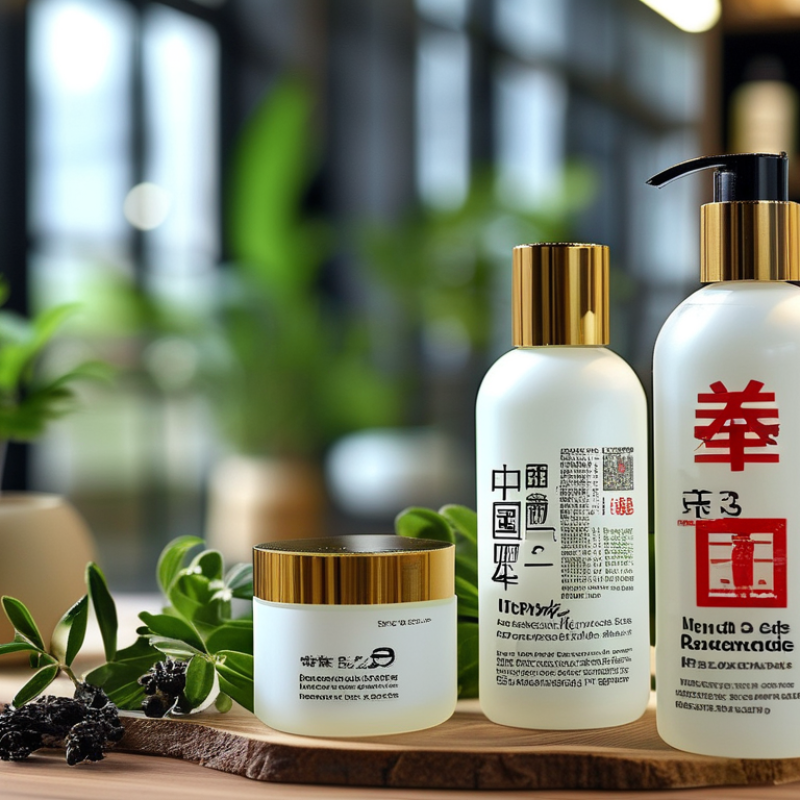
China Best Private Label Hair Cosmetics Manufacturer?

Definition of Private Label Hair Cosmetics Manufacturing

China Best Private Label Hair Cosmetics Manufacturer?

Private label hair cosmetics manufacturing means a factory produces hair products for another company’s brand. The buyer usually selects a formula, package, fragrance, and product size. The manufacturer manages development, testing, filling, labeling, and quality control. Products may include shampoos, conditioners, hair masks, scalp serums, and styling creams.

An experienced manufacturer should explain each production stage clearly. A typical process begins with ingredient screening and sample development. Laboratory staff then check texture, scent, stability, and compatibility with the container. Production teams monitor mixing temperature, filling weight, and batch records. Reliable suppliers also provide ingredient documents and follow applicable cosmetic safety requirements. Clear communication matters. Small misunderstandings can change a product’s color or viscosity.

Tips: Request a sample before placing a large order. Ask for stability and safety records. Confirm minimum order quantities, packaging details, and production timelines. Check whether the factory can adjust formulas without making unsupported claims. A beautiful sample is not enough. It must remain consistent after storage and transport. Some buyers focus too much on appearance. That can be a mistake. In practice, packaging may need revision after testing, and the first formula may not feel perfect. Careful feedback and documented revisions create a more dependable private label product.

Key Products and Formulation Categories

China Best Private Label Hair Cosmetics Manufacturer?
Key Products and Formulation Categories

A capable private label hair cosmetics manufacturer should offer more than attractive packaging. Product development usually begins with the target hair type, climate, washing habits, and local compliance requirements. Common categories include shampoos, conditioners, hair masks, leave-in treatments, scalp tonics, styling creams, and heat-protection sprays. Each product needs a different balance of cleansing strength, conditioning, viscosity, fragrance, and preservation.

Shampoo formulas may use mild surfactants for frequent washing or stronger cleansing agents for oily scalps. Conditioners often rely on fatty alcohols, cationic ingredients, and botanical extracts to improve softness and combability. Hair masks need richer textures and longer contact time. Leave-in products should feel lightweight, especially in humid climates. Small details matter.

Scalp-care formulas require careful claim control. A cosmetic product can support a clean, comfortable scalp, but it should not promise medical treatment without proper authorization. Reliable manufacturers should provide ingredient specifications, stability testing, microbiological testing, and batch documentation. Sample evaluation is essential because a formula may feel excellent in a laboratory but heavy on fine hair. Fragrance can also change after storage. That part is easy to underestimate. A thoughtful supplier welcomes revisions, records every adjustment, and admits when a formula needs more work.

China Best Private Label Hair Cosmetics Manufacturer? - Key Products and Formulation Categories
Formulation Category Key Product Types Typical Product Function Common Formulation Components Suitable Hair or Scalp Needs Important Development Considerations
Cleansing Products Shampoo, clarifying shampoo, co-wash, scalp cleanser Removes sebum, styling residue, dirt, and environmental impurities from the hair and scalp. Anionic, amphoteric, or nonionic surfactants; conditioning polymers; humectants; preservatives; fragrance; pH adjusters. Normal, oily, dry, sensitive, color-treated, or buildup-prone hair. Balance cleansing strength with scalp comfort, foam profile, sulfate preferences, viscosity, fragrance, and target-market labeling rules.
Conditioning Products Rinse-off conditioner, intensive conditioner, hair mask Improves softness, wet and dry combability, smoothness, and manageability. Fatty alcohols, cationic conditioning agents, oils, esters, silicones or silicone alternatives, proteins, and emollients. Dry, damaged, coarse, curly, chemically treated, or tangled hair. Control deposition, rinse feel, residue, emulsion stability, and compatibility with different hair textures.
Leave-In Care Leave-in conditioner, detangling spray, hair milk, cream treatment Provides ongoing conditioning, detangling, frizz control, and protection during styling. Lightweight emollients, cationic polymers, humectants, plant oils, hydrolyzed proteins, and film-forming agents. Curly, dry, frizzy, porous, or heat-styled hair. Optimize sprayability or spreadability, avoid excessive buildup, and verify compatibility with fine and thick hair types.
Scalp Care Scalp serum, scalp tonic, exfoliating scalp treatment, pre-shampoo treatment Supports scalp cleansing, hydration, soothing, and the appearance of a balanced scalp environment. Humectants, soothing agents, mild exfoliating acids, botanical extracts, niacinamide, panthenol, and lightweight solvents. Dry, oily, uncomfortable, or visibly congested scalp conditions. Use cosmetic-compliant claims, control irritation potential, assess leave-on safety, and validate preservation in water-based formulas.
Hair Growth-Positioned Cosmetics Strengthening scalp serum, density-looking tonic, root care treatment Improves the appearance of fuller-looking hair or supports the cosmetic care of the scalp and hair roots. Caffeine, niacinamide, peptides, panthenol, botanical extracts, humectants, and film-forming ingredients. Fine, fragile, thinning-looking, or weak-feeling hair. Claims must remain cosmetic unless the product is registered as a drug or other regulated category in the target market.
Repair and Bond-Care Concepts Repair mask, pre-shampoo treatment, bond-care conditioner, split-end serum Helps improve the feel, appearance, smoothness, and manageability of damaged hair. Hydrolyzed proteins, amino acids, cationic polymers, conditioning agents, lipids, oils, and film-formers. Bleached, colored, permed, heat-damaged, or highly porous hair. Define “repair” as a cosmetic appearance or conditioning benefit unless substantiated and permitted by local regulations.
Styling Products Hair gel, styling cream, mousse, pomade, wax, edge control Provides hold, definition, volume, texture, shine, or control during styling. Film-forming polymers, resins, waxes, oils, emulsifiers, alcohols, humectants, and rheology modifiers. Straight, wavy, curly, coily, short, or highly textured hair. Evaluate hold strength, flaking, tackiness, washout, humidity resistance, residue, and compatibility with dispensing packaging.
Heat and Environmental Protection Heat-protectant spray, blow-dry cream, anti-humidity serum, UV-positioned hair mist Helps reduce the cosmetic effects of heat, humidity, friction, and environmental exposure. Film-formers, conditioning polymers, silicones or alternatives, antioxidants, humectants, and lightweight emollients. Blow-dried, flat-ironed, curled, colored, or humidity-sensitive hair. Test protection claims with an appropriate method, avoid overloading fine hair, and select packaging that delivers an even application.
Hair Color Cosmetics Permanent hair color, demi-permanent color, direct dye mask, root touch-up Changes or refreshes hair color and helps cover or blend visible gray hair. Oxidative dyes and developers for permanent systems; direct dyes, conditioning bases, alkalizers, antioxidants, and chelating agents. Natural, gray, pre-lightened, or previously colored hair. Requires strict ingredient, safety, labeling, patch-test, packaging, and market-specific regulatory review.
Texture and Chemical-Process Products Perm lotion, neutralizer, straightening cream, smoothing treatment Changes the shape, curl pattern, or surface appearance of the hair. Reducing agents, oxidizing neutralizers, alkalizers, conditioning agents, emollients, and protective additives. Hair requiring curl formation, straightening, smoothing, or texture modification. Requires professional-use instructions, compatibility testing, exposure controls, and careful assessment of hair breakage risk.
Natural and Botanical Formulations Herbal shampoo, botanical conditioner, plant-oil serum, clean-label styling product Combines conventional cosmetic performance with plant-derived or naturally positioned ingredients. Plant oils, botanical extracts, natural-origin surfactants, gums, starches, natural waxes, and fermentation-derived ingredients. Consumers seeking naturally positioned, vegan, silicone-free, or plant-focused hair care. Confirm botanical identity, allergen status, stability, microbial quality, preservation performance, and substantiation of natural-origin claims.
Professional and Salon Formats Back-bar shampoo, treatment concentrate, salon mask, technical color support product Supports professional cleansing, conditioning, treatment, coloring, and styling services. Higher-performance cleansing or conditioning systems, concentrated actives, professional-use colorants, and salon-friendly packaging. Salon services, stylists, colorists, and professional hair treatment routines. Prioritize large-format ergonomics, dosing accuracy, clear instructions, training materials, and professional safety documentation.

Manufacturing Standards, Safety, and Quality Control

China Best Private Label Hair Cosmetics Manufacturer?

Manufacturing Standards, Safety, and Quality Control

A reliable private label hair cosmetics manufacturer begins with controlled production, not attractive packaging. The facility should separate raw material storage, compounding, filling, and finished-goods areas. Trained technicians should record temperature, mixing speed, viscosity, and processing time for every batch. These details create evidence, not promises. Clean equipment, calibrated instruments, and documented hygiene procedures reduce avoidable contamination risks.

Safety testing should match the product and its intended use. A shampoo may need microbial testing, stability checks, and packaging compatibility testing. A hair treatment may require additional irritation assessment and preservative verification. Qualified professionals should review formulas against the destination market’s requirements. Supplier documents matter too. Each ingredient needs identity, specification, and traceability records. Small gaps can become expensive problems.

Quality control continues after filling. Inspectors should check weight, seal strength, appearance, odor, labeling, and batch coding. Retain samples allow later investigation when complaints appear. A practical factory also keeps corrective action records instead of hiding mistakes. No production system is perfect. A leaking cap, delayed test, or inconsistent texture can still occur. What matters is whether the team finds the cause, documents the response, and prevents repetition. Independent audits and clear communication make that process more credible.

Customization, Packaging, and Brand Development

China Best Private Label Hair Cosmetics Manufacturer?

Choosing a private label hair cosmetics manufacturer requires more than comparing prices. An experienced supplier should translate your product idea into a stable, manufacturable formula. This may include shampoo, conditioner, hair masks, scalp treatments, and styling products. Request laboratory samples, ingredient specifications, safety documents, and stability testing before approving production. A formula can feel excellent in one trial and disappointing after several weeks.

Customization should cover texture, fragrance, color, active ingredients, and product size. The manufacturer should explain what can be adjusted and what cannot. Clear communication matters. Vague promises often create expensive delays. I have found that written formula records reduce misunderstandings during scale-up. Still, even careful records cannot replace physical testing. Small pilot batches are worth the extra time.

Packaging also shapes brand development. A supplier may provide bottles, tubes, jars, pumps, labels, cartons, and customized inserts. Check closure performance, material compatibility, printing accuracy, and transport durability. A beautiful package is not enough. It must protect the formula and remain practical in bathrooms, salons, or travel bags. Ask for digital artwork proofs and pre-production samples. Mistakes happen. Reviewing them honestly is part of building a reliable product line. Strong manufacturers also support batch traceability, quality inspections, and documentation aligned with the destination market’s requirements.

How to Evaluate and Select a Manufacturer

China Best Private Label Hair Cosmetics Manufacturer?

How to Evaluate and Select a Manufacturer

Choosing a private label hair cosmetics manufacturer requires more than comparing prices. Request product samples with batch numbers, ingredient lists, and testing records. Check whether the facility follows recognized cosmetic manufacturing practices. A clean showroom is not enough.

Ask for evidence of stability, microbial, and packaging compatibility testing. Review the formula carefully with a qualified cosmetic specialist. Confirm that ingredients, claims, labeling, and product documentation suit your target market. Do not accept vague answers. Reliable manufacturers explain testing limits and provide realistic production timelines.

Visit the facility when possible, or arrange a live video inspection. Observe raw material storage, weighing areas, filling lines, and finished-goods control. Ask how rejected batches are recorded. Ask who approves each release. Small details matter.

Communication is another practical test. Send a detailed brief with texture, fragrance, color, packaging, quantity, and delivery expectations. Notice how precisely the team responds. A low minimum order can be useful, but it may also indicate limited production capacity. That deserves a closer look.

Request a written quotation with tooling, samples, freight terms, and revision costs. Protect your formula and artwork through clear contractual terms. Do not rely only on certificates sent by email. Verify dates, scope, and issuing organizations independently. Evaluation is rarely perfect. A supplier may pass one audit and still fail on communication or consistency. Allow time for another sample round. It often reveals more than a polished presentation.

Botanical Extracts Manufacturing | Manfacture botanical extracts for supplements.