
For global buyers researching China-based suppliers, the Puffs Plus Vape market calls for careful comparison, not quick promises. A polished product photo tells little about production standards. Request current company details, clear product specifications, and records that support quality-control claims. Ask for evidence. A credible supplier should explain its manufacturing process, packaging options, order terms, and procedures for handling defects. These details help buyers assess a potential business relationship before discussing volume or delivery schedules.
Due diligence matters even more when products are intended for different markets. Requirements for age-restricted products, labeling, ingredients, import documentation, and sale can vary by destination. Buyers should check applicable rules with qualified local professionals and confirm that a supplier can provide the documents their market requires. Do not assume one certificate covers every country. A sample order may reveal issues that a catalog misses, such as inconsistent printing, loose packaging, or unclear batch identification. Small details count. This guide introduces practical ways to compare Puffs Plus Vape suppliers, evaluate communication and documentation, and identify questions worth asking before placing an order. No supplier profile should replace independent verification. Even an experienced buyer can overlook something; a cautious review is not perfect, but it is a useful start.
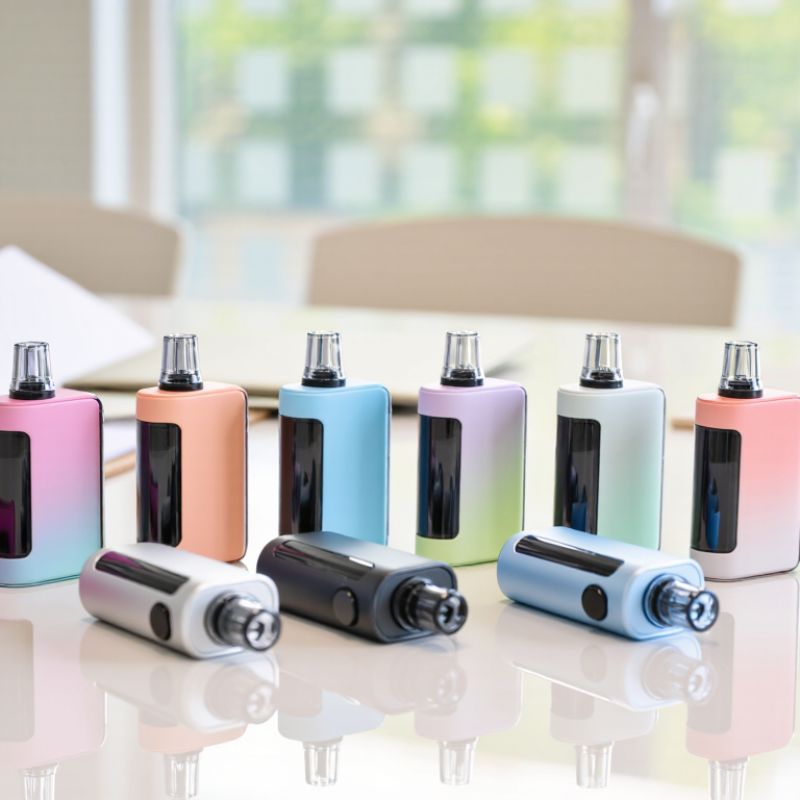
Puff-count vape products are usually compact, self-contained devices with a battery, liquid reservoir, and heating element. Buyers often compare advertised puff counts, but these are estimates. Draw length, battery output, and storage conditions can change real-world performance. Small details matter.
Grand View Research estimated the global e-cigarette and vape market at US$26.3 billion in 2023, with projected annual growth of 30.6% from 2024 to 2030.
This is a market forecast, not proof of steady demand in every region. For purchasers, the broader trend makes supplier verification more important, not less. Request clear specifications, ingredient documentation, battery safety test records, and consistent batch traceability. Check labeling and age-control requirements for each destination market.
A polished sample is not enough. Independent test results and repeat-order consistency offer stronger evidence.
One practical limitation: public market reports rarely isolate puff-count products, so category-level figures should not be treated as exact product forecasts.

Evaluating Chinese suppliers of puff-style vape products should begin with verifiable records, not a polished catalog. Request the factory address, business documentation, batch traceability, and a clear description of quality checks. Ask how incoming materials, finished devices, and packaging are inspected. Compare test reports with the exact model and batch offered. Documents can look convincing. Verify the details.
Assess consistency through sample evaluation and written specifications for dimensions, labeling, and performance. Ask how defects are logged, investigated, and corrected, and whether process changes are communicated before shipment. Clarify production capacity, minimum order quantities, lead times, payment terms, and responsibility for damaged or delayed consignments. Vague answers matter. Price alone is a poor measure of supplier reliability.
Requirements differ by destination and may change. Request product and safety documentation for each market, then confirm it independently with qualified local advisers. Check age-related controls, warning labels, ingredient disclosures, and shipping arrangements where applicable. Do not assume one certificate covers every market. A checklist is useful, but incomplete; packaging or components may change after review. Record approved versions and request notice of changes.
For global buyers evaluating puff-style vape suppliers, verify the factory, not just a polished catalog. Request the supplier’s registered business details, production-site address, and current ISO 9001 certificate. Check the certificate number, scope, issuing body, and audited site directly with the issuer. ISO’s 2023 Survey recorded more than 1.2 million ISO 9001 certificates across 189 economies. That shows how widespread the system is, not that a particular device is safe or compliant. Paper is not proof.
Ask for batch-specific test reports from an independent, accredited laboratory. Each report should identify the product sample, test methods, date, and results for relevant electrical, battery, and material checks. Compare the report with a randomly selected shipment unit. Trace its batch code through the carton label and production record.
The WHO’s 2023 global tobacco report states that 5.6 billion people were protected by at least one MPOWER measure in 2022, up from 1.1 billion in 2007. Requirements still vary by destination and product category, so confirm current local rules before purchase. A certificate can go stale. I would pause if factory names, dates, or batch codes do not match.
Global buyers comparing puff-count vape suppliers should request like-for-like quotes. Grand View Research estimated the global e-cigarette and vape market at US$28.17 billion in 2023; its forecast signals demand, not guaranteed sales. Compare unit price alongside minimum order quantity, sample charges, packaging costs, and payment schedule. A low quote can hide setup fees. Small details matter.
Customization affects both cost and timing. Ask suppliers to itemize options such as exterior color, labeling, packaging, and approved technical specifications. Request a pre-production sample and written acceptance criteria before confirming a larger order. Compare defect allowances, replacement procedures, and production lead times. That comparison is imperfect. Specifications may vary between suppliers, so document them carefully.
Order terms deserve equal attention. UNCTAD’s Review of Maritime Transport reports that more than 80% of world merchandise trade by volume moves by sea. Shipping terms can therefore change the true landed cost. Compare the quoted Incoterm, freight estimate, insurance, and responsibility for customs documents. Ask for a dated production schedule and clarify when balances are due. Requirements vary by destination, so buyers should verify applicable product and import rules with qualified local advisers. A spreadsheet helps, though it cannot replace checking the sample.
For global buyers, sourcing puff-style vaping products should begin with destination-market screening. Check product classification, ingredient rules, age controls, labeling, registration, and import documents before requesting quotations. Requirements differ by market, so hold orders until local specialists confirm eligibility. WHO reported in 2024 that at least 100 million people vape worldwide, including about 15 million adolescents aged 13–15. That scale makes responsible controls essential.
Request batch-specific ingredient records, independent test results, factory quality procedures, and traceability documents. Verify that samples match the proposed production specification, including packaging, labels, and battery details. Use an accredited laboratory where appropriate, and retain sealed samples from each batch. Paperwork matters. A complete file can still miss inconsistent production; compare records against physical samples and shipment documents.
Tips: Build a supplier scorecard covering test evidence, production consistency, response time, and corrective-action history. Check current local requirements again before every shipment. Small checks can prevent costly delays.
2025 Bio-Botanica, a division of Bio Answer Holdings Inc. All Rights Reserved.