Blog

How to Choose Brass Garden Hose Connectors for Your Needs?

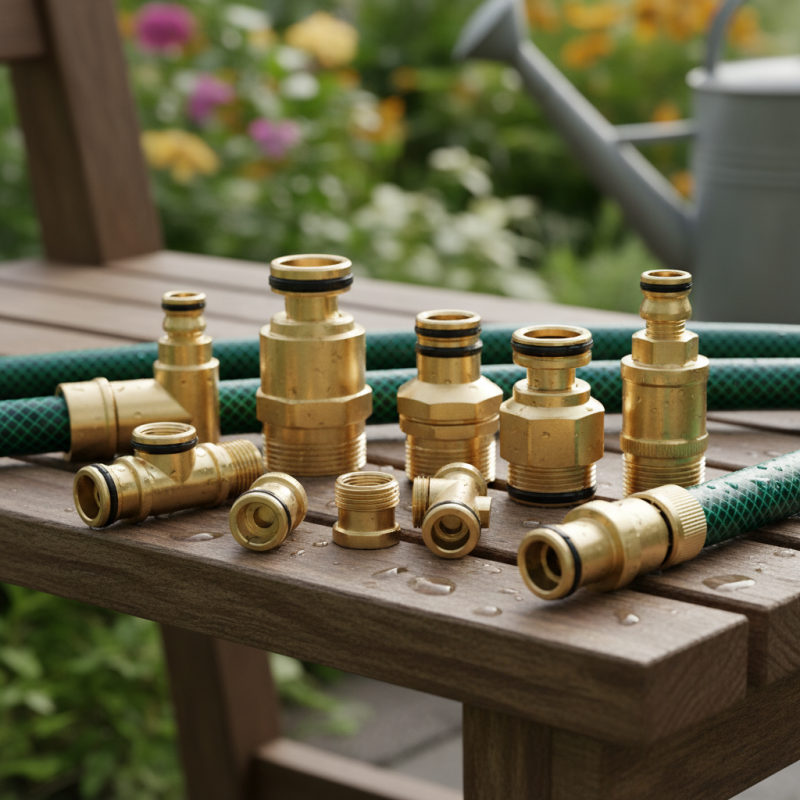
When selecting the right Brass Garden Hose Connectors, several factors come into play. These connectors are essential for any garden setup. Their quality can affect water flow, durability, and ease of use.

Brass Garden Hose Connectors offer strength and corrosion resistance. They can handle high pressure and won’t easily break. However, not all brass connectors are created equal. Some may have inferior designs, leading to leaks or weak connections. It’s crucial to pay attention to the specifications.

Choosing the right size and type is vital. Many homeowners overlook compatibility with their hoses. Consider if you need standard or quick-connect options. Reflecting on your garden’s needs will guide your decision. It’s easy to rush this choice, but a thoughtful selection ensures long-term satisfaction.
How to Choose Brass Garden Hose Connectors for Your Needs?

Understanding the Importance of Material Quality in Brass Connectors

When choosing brass garden hose connectors, material quality is key. High-quality brass is corrosion-resistant and durable. This means it will withstand the test of time. However, not all brass is created equal. Some connectors may contain low-grade metals mixed in, which can lead to rust and leaks. Always check the specifications before buying.

Look for solid brass connectors. These often provide better strength and longevity. Lightweight or cheap options may seem appealing but can fail quickly. Inspect the finish as well; a smooth surface is generally a good sign. Remember, you’re investing in your garden setup. A poor choice can lead to frustration later.

Consider the connection type as well. There are many types, and not all fit every purpose. Do you need a swivel connector or a straight one? Each has its advantages and challenges. It's important to reflect on your garden's specific needs. Taking the time to understand these details can save you hassle in the long run. Don’t rush this decision; quality matters.
Identifying the Right Size and Thread Type for Your Garden Hose

Choosing the right size and thread type for your garden hose connectors can be confusing. Most hoses have a standard diameter, commonly 5/8 inch. However, it's essential to check your hose before purchasing connectors. A wrong size can lead to leaks or poor connections.

Thread type is another vital factor. There are two main types: the National Pipe Thread (NPT) and garden hose threads (GHT). NPT is typically used in plumbing, while GHT is designed for hoses. Pay attention to these details. Sometimes, people try to force connectors together. This can cause damage to both the hose and connector.

It is easy to overlook these specifications. Many assume that all connectors fit all hoses. That misconception leads to frustration during garden work. Taking a moment to verify size and thread type can save time and resources. Remember, a small mistake can cost lots in repairs or replacements.

Evaluating Pressure Ratings and Flow Rates in Connector Selection

When selecting brass garden hose connectors, evaluating pressure ratings and flow rates is critical. Pressure ratings indicate how much pressure the connectors can withstand without leaking or bursting. Many standard garden hoses operate under pressure levels of 40 to 60 PSI. A connector with a rating above 100 PSI is generally safe for most home gardening needs. However, inconsistencies in pressure can lead to connector failures.

Flow rates also play a significant role. Common flow rates for garden hoses typically range from 5 to 10 gallons per minute (GPM). Connectors that restrict flow can cause back pressure, making watering inefficient. For example, a connector with a low flow rate might only deliver 3 GPM. In contrast, homeowners should seek connectors that allow for higher flow rates, especially for larger gardens. Some reports suggest that optimizing flow can reduce watering time by up to 30%.

Consider the specific demands of your garden when choosing connectors. Climate, soil type, and the plants' needs may vary. It's essential to reflect on these factors to select connectors that truly meet your gardening requirements. Sometimes, a more expensive high-flow connector can outperform a cheaper alternative. Cheap options may be tempting but could result in lower efficiency and frequent replacements. This reflection is crucial for both immediate use and long-term investments in gardening equipment.

Brass Garden Hose Connectors: Pressure Ratings and Flow Rates

Comparing Finish Types: Polished vs. Unplated Brass Options

When choosing brass garden hose connectors, understanding the finish type is essential. Polished brass has a shiny, reflective surface. It looks great but can tarnish over time. Unplated brass offers a more rustic and natural finish. It tends to age gracefully, developing a patina. This can enhance your garden's aesthetic, giving it a classic look.

Tips: If you prefer a low-maintenance option, polished brass might be ideal. However, if you enjoy the charm of aging metal, go for unplated brass. Both types serve their purpose well, but their appearance will vary with time. Consider the overall design of your garden when deciding.

Remember, aesthetics matter. You want connectors that match the feel of your space. No one wants mismatched hardware ruining their garden's appeal. Take your time to select the right finish. It's worth reflecting on how these small details impact your garden's vibe.

How to Choose Brass Garden Hose Connectors for Your Needs? - Comparing Finish Types: Polished vs. Unplated Brass Options

Feature Polished Brass Unplated Brass
Aesthetic Appeal Bright and shiny finish, attractive for decorative purposes Natural brass color, may appear rustic or aged
Corrosion Resistance Higher resistance due to smooth finish More prone to tarnishing and corrosion over time
Maintenance Requires regular polishing to maintain shine Low maintenance, develops a patina with age
Durability Tends to be strong but may chip if mishandled Durable and tough but appearance may change
Cost Generally more expensive due to the finishing process Usually more affordable and economical choice

Assessing Durability and Corrosion Resistance for Longevity

When selecting brass garden hose connectors, assessing durability and corrosion resistance is critical. Brass is often chosen for its strength, but not all brass is created equal. According to industry reports, high-quality brass connectors can withstand extreme weather conditions better. They resist oxidation and corrosion, which can extend their lifespan significantly.

A recent study showed that connectors with a higher lead content could corrode faster in moist environments. That means the choice of alloy matters. Look for connectors made with 65% copper or more. These tend to resist rust and wear longer than standard options.

However, even the best materials can fail. It's essential to inspect your connectors regularly. Unseen corrosion can weaken the fittings, leading to leaks or breaks. Consider how your environment impacts these connectors too. In humid areas, even the best brass may struggle. Regular maintenance, like cleaning with a gentle solvent, might be necessary for longevity.

Botanical Extracts Manufacturing | Manfacture botanical extracts for supplements.