Effective animal care requires reliable tools. One such tool is the Oral Drencher. This device is essential for administering medication and nutrients directly to animals. With an Oral Drencher, caregivers can ensure that each dose reaches its intended target quickly and efficiently.
Administering drugs orally can be challenging. Animals often resist taking medicine. An Oral Drencher simplifies this process. It allows caregivers to deliver precise dosages with minimal stress. This device enhances the health and well-being of a wide range of animals, from livestock to pets.
Using an Oral Drencher can improve efficiency in animal care routines. However, proper training is vital. Misuse could lead to ineffective treatment or harm. Regular practice ensures that caregivers gain confidence and mastery. Investing in an Oral Drencher can significantly enhance the quality of care provided to animals.
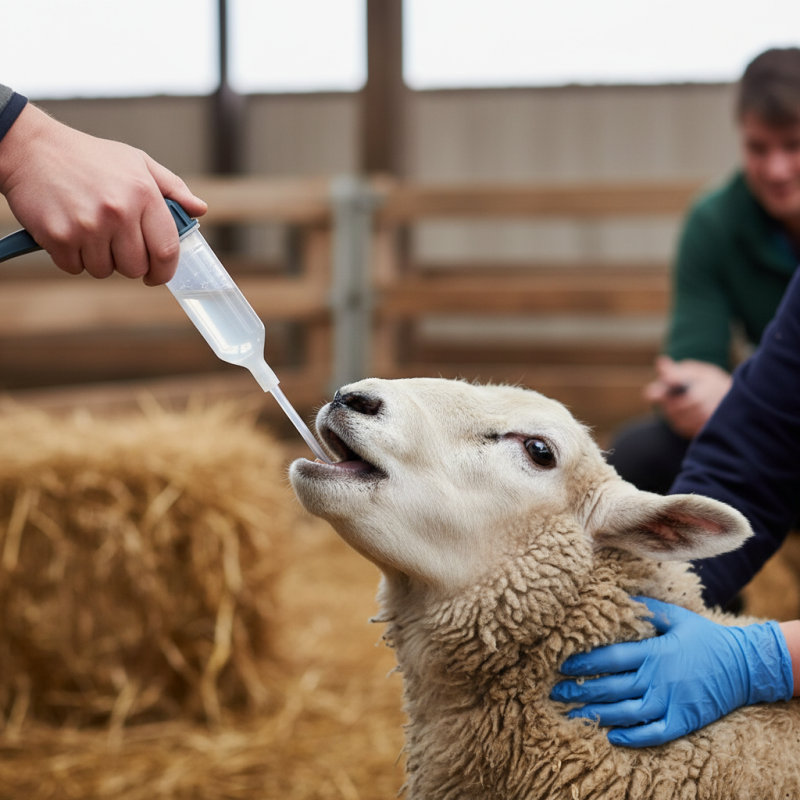
An oral drencher is an invaluable tool in livestock health care. It allows for precise delivery of medication, electrolytes, or nutrients directly to animals. Effective usage can enhance health outcomes, especially in young or stressed animals. According to the International Journal of Veterinary Science, proper dosing can increase recovery rates by up to 30%.
The benefits are clear. Using oral drenchers minimizes stress for both animals and handlers. Studies indicate that traditional methods may cause unnecessary trauma. By delivering treatments orally, it reduces the risk of aspiration pneumonia, which can complicate recovery. In fact, a significant percentage of farmers have reported fewer respiratory issues after switching to drencher systems.
However, there are challenges. Not all animals respond the same way. Certain livestock may resist, leading to wasted products or improper dosing. Training is essential for handlers. Proper techniques must be emphasized to maximize the drencher’s effectiveness. Adapting to each animal's behavior can make a difference. Consistent education is crucial for optimizing health care practices in the field.
| Benefit | Description | Application | Effectiveness |
|---|---|---|---|
| Precision Dosing | Allows for accurate delivery of medications or nutritional supplements. | Used in administering vitamins or vaccines. | Increases efficacy of treatments. |
| Ease of Use | Simple design allows for quick and efficient treatment, reducing stress for both animal and handler. | Ideal for on-farm use during routine health checks. | Minimizes the risk of injury and complications. |
| Versatility | Applicable for various livestock types including cattle, sheep, and goats. | Useful in a wide range of healthcare scenarios. | Enhances farms' overall health management capabilities. |
| Reduced Waste | Minimizes the amount of medicine wasted through inefficient delivery methods. | Effective for bulk treatments where economy is a concern. | Cost-effective for farmers over time. |
| Improved Animal Welfare | Gentler on animals compared to other administration routes, reducing fear and anxiety. | Encourages better cooperation from animals during treatments. | Promotes overall well-being and productivity. |
Choosing an oral drencher for administering medication provides several benefits over traditional methods. Oral drenching allows for precise dosage, ensuring animals receive the correct amount of medication. This method is particularly effective for treating dehydration or delivering vitamins. Compared to injections or other delivery systems, the oral drencher minimizes stress in animals. Less anxiety translates to better receptivity to treatment.
Tips for effective use include proper positioning of the animal. Make sure the head is elevated to prevent choking. Always check the medication’s compatibility with oral administration. Some drugs are ineffective or hazardous if given orally. Each animal reacts differently, so monitoring for adverse effects is crucial.
Keep your equipment clean and sanitized. Regular maintenance of your drenching tools can prevent infections. Observe body language; animals may indicate discomfort or resistance. Understanding these signs helps in addressing issues swiftly. Adjust your approach based on the animal's behavior, ensuring a more effective and humane treatment.
Oral drenching is a widely recognized method in animal care. It provides essential nutrients and treatment in a practical way. Industry standards emphasize accuracy and safety. This method requires proper training to minimize stress on animals. Improper application can lead to injury or ineffective dosing.
Following guidelines is crucial for best results. Animal handlers should wear personal protective equipment. This maintains hygiene and protects against potential exposure. Monitoring animal reactions is equally vital. A calm environment can vastly improve the experience for both handler and animal.
Veterinary insights are invaluable. They stress that continuous education can lead to better practices. Over time, small adjustments can produce significant outcomes. Reflecting on past experiences can highlight areas for improvement. Regular assessment of techniques enhances animal welfare and treatment efficacy. The focus should always remain on the well-being of the animals.
Oral drenchers play a crucial role in animal care, particularly for enhancing recovery times and overall welfare. Administering medications and nutraceuticals via an oral drencher ensures precise dosage. This method reduces stress in animals compared to injection methods. Animals can quickly absorb the nutrients, leading to faster recovery, especially during illness or after surgery.
It's essential to monitor an animal's response post-drenching. Some may have difficulty swallowing or show signs of discomfort. Practicing gentle handling can ease anxiety in these moments.
Tips: Always check for proper fitting of the drencher to avoid choking. Ensure the liquid is at room temperature; this can help ease the process. Regular training on using oral drenchers can enhance the efficiency and safety of treatment. Keeping records of each drencher use can improve future care plans and adjustments.
Oral drenching is a common method in veterinary medicine for administering medications or nutrients to animals. Recent studies show that the success rates of oral drenching vary significantly across different species and techniques. A statistical analysis revealed that the overall success rate can be as low as 70% in some cases. This percentage may raise concerns regarding the effectiveness of treatment and the potential stress on animals during the process.
The methodology used in these studies is crucial. Researchers analyzed various factors, such as the experience of the handler and the type of drench used. Inexperienced handlers often struggle to administer the drench properly. This results in lower success rates. Additionally, the individual animal's temperament plays a role. Some animals resist the process, leading to wasted medication and increased time for both the animal and the veterinarian.
Improving success rates requires addressing these factors directly. Training programs for handlers can enhance their technique and confidence. Involving veterinarians to provide insights on the best practices is essential. It highlights the need for ongoing research into optimal administration methods. Recognizing these challenges allows veterinarians to refine their approaches and improve overall animal care.
2025 Bio-Botanica, a division of Bio Answer Holdings Inc. All Rights Reserved.