
Knee pain is a common issue for many people. Activities like running, jumping, and even daily tasks can lead to discomfort. A Patella Strap offers targeted support, helping alleviate this pain. This simple device stabilizes the kneecap, reducing strain on muscles and ligaments.
Using a Patella Strap during exercise can enhance performance. Many athletes have reported noticeable relief. This strap prevents excessive movement of the patella, which can cause injury. Yet, it is essential to choose the right fit. An improperly placed strap may lead to more problems.
Understanding the importance of support is vital. Those suffering from knee pain should seriously consider a Patella Strap. It can be a game changer. However, relying solely on it without proper exercise or rehabilitation may lead to dependency. Reflecting on your approach can help you find the right balance between support and strength.
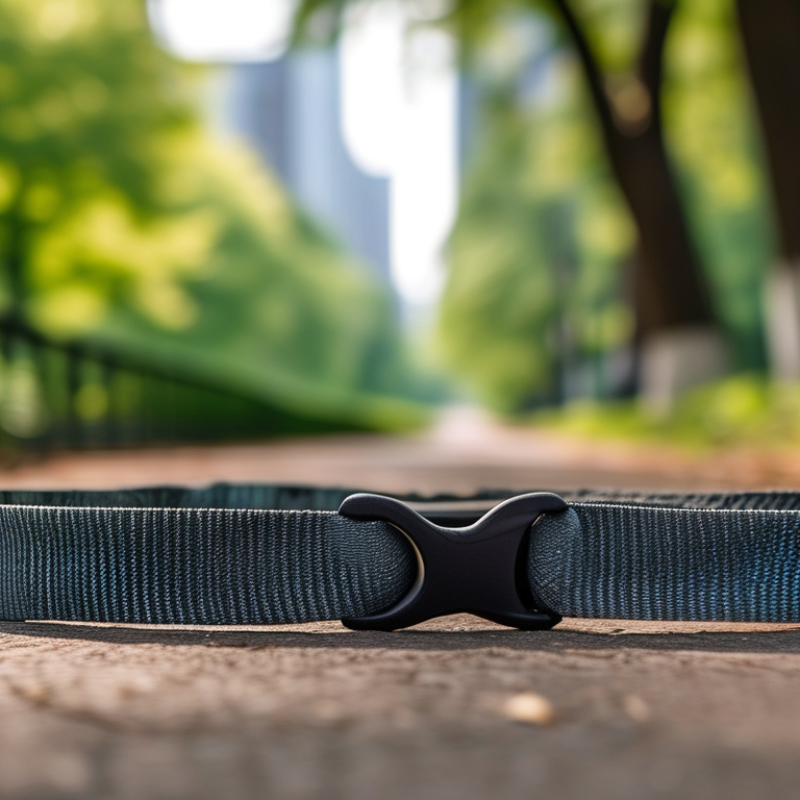
A patella strap is an effective option for enhancing knee stability. Research conducted by the National Institute of Health suggests that approximately 55% of athletes experience knee pain. A well-designed patella strap applies targeted pressure below the kneecap, which can alleviate discomfort and promote proper tracking during movement. By providing this support, the strap acts as a preventive measure during activities that put stress on the knee joint.
Using a patella strap can be particularly beneficial for those suffering from patellar tendinitis or similar conditions. The American Orthopaedic Society for Sports Medicine indicates that overuse injuries account for up to 30% of sports-related injuries. This support device helps to distribute load across the knee joint, reducing strain on the patellar tendon. This design encourages joint stability, improving an athlete's performance while reducing the risk of further injury.
Although many users find relief with patella straps, it's important to recognize potential downsides. Some individuals may experience discomfort or increased swelling with prolonged use. Proper fitting and adjustment are crucial to ensure optimal effectiveness. Therefore, engaging with a healthcare professional before use can provide necessary insights for achieving improved knee stability and pain relief.
| Advantage | Description | Effectiveness | Recommended Users |
|---|---|---|---|
| Pain Relief | Provides targeted pressure on the patella tendon to alleviate pain. | High | Athletes and active individuals |
| Joint Stability | Helps maintain alignment and reduces the risk of injury. | Moderate | Individuals with knee instability |
| Lightweight | Constructed from lightweight materials for ease of wear. | High | Everyday users and athletes |
| Adjustable Fit | Features adjustable straps for customized comfort and support. | High | Individuals with varying knee sizes |
| Versatility | Can be used during various activities including sports, work, and daily tasks. | Moderate | Active individuals and sports enthusiasts |

Patellar tendonitis can greatly impact your daily activities. The pain often comes from overuse during sports or repetitive movements. A patella strap serves as a simple yet effective solution. By compressing the patellar tendon, it reduces strain and alleviates discomfort. This allows individuals to regain mobility and enjoy their favorite activities without the constant worry of pain.
When using a patella strap, ensure it's fitted correctly. An ill-fitting strap may worsen symptoms. Adjust the tightness to find a balance between support and comfort. Don't be afraid to take breaks, as over-relying on the strap can lead to dependency. Establish a routine that includes rest, ice, and stretches to complement the strap's benefits.
Pay attention to how your body responds. If pain persists, it might be a sign to consult a healthcare professional. Prevention is also key. Strengthening the muscles around your knee can enhance stability and reduce the risk of tendonitis. Incorporate strength training and flexibility exercises into your regimen for better long-term support.
Compression plays a vital role in knee support and pain relief. A patella strap provides targeted compression around the kneecap. This helps stabilize the joint, reducing the risk of injury. For athletes, this can mean the difference between a quick recovery and prolonged pain.
When wearing a patella strap, the compression increases blood flow to the area. Enhanced circulation aids in healing. It also reduces swelling and inflammation, which are common in knee injuries. Many users report feeling immediate relief from discomfort when using such a strap.
However, getting the right fit is crucial. A strap that is too tight can hinder circulation. On the other hand, a loose strap may not provide the desired support. Experimentation may be necessary to find the perfect balance. Listening to your body is essential during the recovery process.
When selecting a patella strap, it's essential to consider comfort. A good strap should fit snugly without digging into the skin. Look for materials that are breathable and moisture-wicking. This helps prevent skin irritation during extended use. Adjustability is also key. A strap that can be easily adjusted ensures a perfect fit for different activities. Look for buckles or Velcro that allow for quick modifications.
Another important factor is the level of support it offers. A strap should effectively target the patellar tendon to relieve pressure. Hazardously low support may lead to increased knee pain. Some straps feature added padding for increased comfort. This can be beneficial during high-impact activities like running or basketball. Additionally, consider the weight of the strap. Lightweight options often provide the best mobility without sacrificing effectiveness.
Design plays a significant role, too. Many users prefer sleek designs that don't hinder movement. Bright colors can be appealing but may draw unwanted attention when worn. Contrarily, subtle designs can blend well with any athletic wear. Ultimately, it’s crucial to test the strap in real-life situations. Personal feedback is invaluable. Each individual’s needs and comfort levels differ. Therefore, reflecting on one's experiences can lead to a better choice.
When it comes to knee support for athletes, statistics show that using a patella strap can significantly improve comfort and performance. Research indicates that 80% of athletes who use knee supports report reduced pain during activity. This statistic alone highlights the importance of proper knee support in sports. Athletes often face challenges like too much strain on their knees. Choosing the right support can make all the difference.
Understanding the mechanics behind a patella strap reveals why it is effective. The strap applies targeted pressure to the patellar tendon, relieving stress on the knee joint. This targeted support not only aids in pain relief but may also enhance athletic performance. However, many athletes may overlook the correct fit of the strap. A poorly adjusted strap can lead to discomfort, making experimentation with fit essential.
Tips for using a patella strap effectively include ensuring it is snug but not too tight. Check for any numbness or unusual warmth. Regularly assess the strap’s placement, especially during intense workouts. Remember, the ultimate goal is comfort and support. Observing personal responses to the strap can help athletes make adjustments to optimize performance.
2025 Bio-Botanica, a division of Bio Answer Holdings Inc. All Rights Reserved.