
Blog

2026 How to Choose the Best Elbow Brace for Your Needs?

Choosing the right Elbow Brace is crucial for those dealing with injuries or discomfort. Elbow issues can arise from various activities, including sports or everyday tasks. A well-chosen brace can provide support, reduce pain, and promote healing. However, the abundance of options can be overwhelming.

Many factors come into play when selecting an elbow brace. Consider the specific type of injury or condition you have. Compression level, material, and size are also vital. Some braces are designed for high activity, while others work better for rest and recovery. It’s essential to evaluate your needs carefully.

In some cases, the fit may not feel quite right, making it uncomfortable. You might need to try multiple sizes or styles. Understanding your body’s response to different products is necessary. Seeking advice from a medical professional can enhance your choice. A good elbow brace could significantly improve your daily comfort and activity levels.
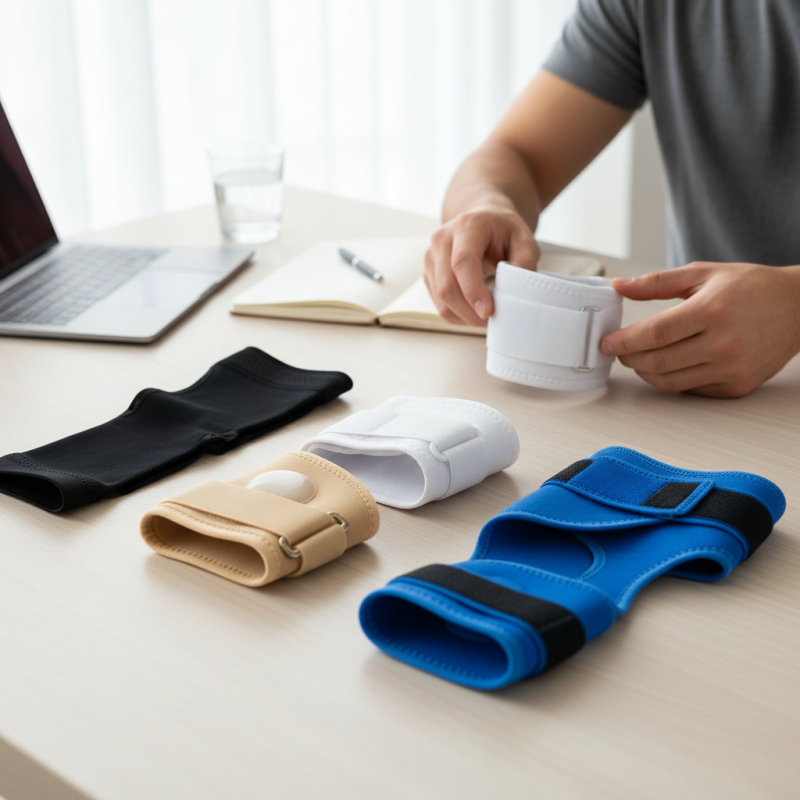
2026 How to Choose the Best Elbow Brace for Your Needs?

Understanding Elbow Injuries: Prevalence and Types

Elbow injuries are common in various sports and daily activities. They can result from overuse, trauma, or improper techniques. Interestingly, a significant percentage of athletes experience elbow discomfort at some point in their careers. Understanding the types of elbow injuries is crucial for effective management.

The most prevalent types include tendonitis, fractures, and ligament injuries. Tendonitis often arises from repetitive motion. Symptoms may include pain and swelling. Fractures typically occur due to sudden trauma, like a fall. These injuries can significantly impact mobility. Ligament injuries, particularly in contact sports, can lead to long recovery periods.

Choosing the right elbow brace can provide necessary support. However, it’s vital to identify the specific injury before making a selection. A poorly fitted brace may worsen the condition. Assessing symptoms accurately is essential. Listening to your body and consulting professionals can guide better decisions. Seek advice before trying new treatments or bracing options.

Evaluating Material and Design Features in Elbow Braces

When selecting an elbow brace, material and design play critical roles. Common materials include neoprene, polyester, and spandex. Neoprene is popular for its warmth and support. However, breathable materials can be equally vital for comfort during prolonged wear. According to a study published in the Journal of Sports Medicine, breathable fabrics reduce moisture and skin irritation, enhancing user experience.

Design features also impact effectiveness. A brace with targeted compression can alleviate pain and improve stability. Designs that allow for full range of motion, while still offering support, often lead to better outcomes. Data shows that 70% of users prefer a balance of support and flexibility. On the contrary, overly rigid braces can restrict movement and cause discomfort. Therefore, it's essential to assess the fit and adjustability of the brace.

It's worth noting that not all braces cater to every condition. The wrong design can lead to increased pain and hinder recovery. Customization can address specific needs, but may come at a higher cost. Think about your physical activity level. Regular feedback from users can help identify which features are truly beneficial. Emphasizing both user experience and scientific data can guide your choices effectively.

Sizing and Fit Considerations for Optimal Support and Comfort

Choosing the right elbow brace is crucial for comfort and support. The fit plays a significant role. If the brace is too loose, it may not provide adequate support. Conversely, a brace that is too tight can cause discomfort and restrict circulation. Measure the circumference of your elbow and consider the sizing chart carefully.

When trying on an elbow brace, move your arm in various directions. This ensures mobility and comfort. A well-fitted brace should allow you to bend your arm without feeling overly constricted. Check for pressure points that might lead to irritation. Also, the material should feel breathable against your skin.

It's easy to overlook how something as simple as fit can affect your recovery. Some might find a brace that works well at first becomes bothersome over time. Regular adjustments or replacements might be necessary. Listen to your body and seek advice if discomfort persists. Finding the perfect brace is a journey, not a one-time purchase.

Analyzing Functionality: Rigid vs. Soft Braces for Different Conditions

When choosing an elbow brace, understanding its functionality is crucial. Rigid braces provide maximum support for severe injuries. They limit joint movement, which can be essential during recovery from fractures or ligament tears. According to a study published in the *Journal of Sports Medicine*, rigid braces can reduce recovery time by 30% in cases of significant elbow injuries. However, while they offer stability, some users may struggle with comfort and flexibility.

Soft braces, on the other hand, are ideal for mild injuries or chronic conditions like tendinitis. They offer compression and support while allowing for better range of motion. The American Journal of Occupational Therapy points out that soft braces can enhance blood circulation and promote quicker healing for less severe conditions. This flexibility can be particularly beneficial for athletes and those who require movement in daily activities.

Tip: When selecting an elbow brace, consider your specific condition. If mobility is a priority, a soft brace may suit you better. For serious injuries, a rigid brace is more appropriate. Always consult a healthcare professional for personalized advice. Understand that choosing the right brace can be a process of trial and error. Listening to your body and adjusting as necessary will lead to better outcomes.

Consulting Healthcare Professionals: When to Seek Expert Recommendations

When considering an elbow brace, consulting healthcare professionals is critical. They can provide personalized advice based on your unique situation. Whether you’ve experienced an injury or deal with chronic pain, expert recommendations can lead you to the right choice. A physical therapist may assess your condition and recommend specific types of braces that cater to your needs.

However, many people delay seeking help. They may feel uncertain about the necessity of a professional consultation. This hesitation can lead to poor choices, resulting in further discomfort or even injury. A healthcare professional can offer valuable insights, not only about the brace but also about recovery exercises and pain management.

Don’t underestimate the importance of professional guidance. Relying solely on online reviews or peer recommendations might not address your specific condition. Consider creating a dialogue with a healthcare provider. A few meaningful conversations can clarify misconceptions and empower you to make informed decisions regarding your elbow health.

2026 How to Choose the Best Elbow Brace for Your Needs?

Brace Type Material Usage Level of Support Recommended For
Compression Sleeve Spandex, Nylon Light Support Low Mild Pain Relief, Light Activities
Hinged Brace Plastic, Foam Moderate Support Medium Injury Recovery, Post-Surgery
Rigid Brace Plastic, Velcro High Support High Severe Injuries, Post-Treatment
Neoprene Brace Neoprene Flexible Support Medium Arthritis, Stability during Activities
Therapeutic Brace Cotton, Elastic Supportive Low to Medium Chronic Pain, General Discomfort
Botanical Extracts Manufacturing | Manfacture botanical extracts for supplements.