In the booming beauty industry, selecting the right "Cosmetic Ingredients" for your products is crucial. Renowned cosmetic chemist Dr. Jane Goodwin believes, "The foundation of an effective product lies in its ingredients." This highlights the importance of informed choices when formulating cosmetics.
The vast array of available "Cosmetic Ingredients" can be overwhelming. Each ingredient serves a unique function, from hydration to anti-aging. Understanding the benefits and potential drawbacks of these components is essential. Many consumers may overlook the significance of ingredient sourcing and formulation integrity. This awareness can lead to better choices and more effective products.
Navigating this complex landscape requires knowledge and critical thinking. It's not just about trends; it's about efficacy and safety. While some ingredients promise miracles, others may cause adverse reactions. Reflecting on personal experiences with products can guide future selections. As the industry evolves, staying informed is key to creating successful cosmetic formulations.

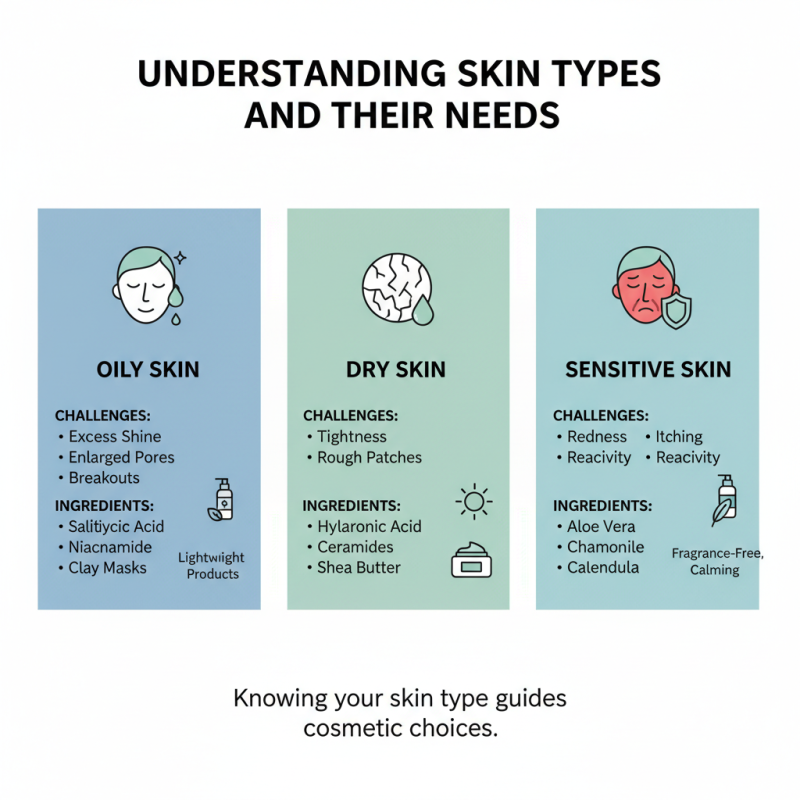
Understanding your skin type is crucial when selecting cosmetic ingredients. Each skin type has unique needs and challenges. Oily skin may require lightweight products to control shine. Ingredients like salicylic acid can help unclog pores, but they can irritate sensitive skin.
Dry skin benefits from hydrating ingredients like hyaluronic acid and glycerin. However, some may find these too heavy. Combination skin often demands balance, making it tricky to choose the right formulas. Knowing how your skin reacts to different ingredients is essential.
Sensitive skin is easily overwhelmed. It may react to fragrances or harsh chemicals. Opt for soothing ingredients like chamomile or aloe vera. Testing products on a small patch can reveal potential reactions. Each skin type has its nuances, and what works for one may not work for another. Understanding these differences can guide your choices effectively.
When identifying effective cosmetic ingredients, consider the specific needs of your skin type. Oily skin may benefit from ingredients like salicylic acid, which helps to control sebum production. Dry skin, on the other hand, often requires deeper hydration from ingredients such as hyaluronic acid or glycerin. Understanding your skin's unique requirements is crucial.
Look for well-researched ingredients backed by science. Information from clinical studies can help you make informed choices. For instance, retinoids have proven effective for aging concerns. However, they require careful use due to skin sensitivity. Reflect on your skin's response after trying new products, as reactions can vary widely. Testing small patches can be a safe step.
Consider the form of the ingredients, as they can affect absorption. Liquid extracts may penetrate better than powders. Additionally, pay attention to the ingredient list order. Ingredients are typically listed by concentration, which can indicate their potency. Not all ingredients are suitable for every product, so approach with caution and do your research.
When selecting cosmetic ingredients, safety and compatibility are paramount. Start by examining safety data for each ingredient. Look for toxicological studies and research findings. A reliable source of information can provide insights into potential irritants. Not all natural ingredients are safe, and synthetic ones may be safer than perceived. Balancing these aspects requires diligence and knowledge.
Compatibility is another critical factor. Some ingredients may react negatively when combined. For instance, acids and retinoids can create irritation if used together. Testing combinations on a small skin patch can reveal adverse reactions. Understanding skin types also influences ingredient choice. Ingredients suitable for dry skin might irritate oily skin.
Reflection is key in this process. What works for one person may not work for another. Continuous learning about new studies is essential. Even experienced formulators should revisit their choices regularly. The cosmetic landscape evolves quickly, and staying informed helps in making safer, better products.
| Ingredient | Purpose | Safety Rating | Compatibility | Common Uses |
|---|---|---|---|---|
| Hyaluronic Acid | Moisturizer | Low | Compatible with most formulations | Serums, creams |
| Salicylic Acid | Exfoliant, acne treatment | Moderate | Best with non-comedogenic oils | Cleansers, spot treatments |
| Glycerin | Humectant | Low | Highly compatible | Lotions, creams, gels |
| Retinol | Anti-aging | Moderate | May cause sensitivity; patch test recommended | Serums, night creams |
| Vitamin C | Antioxidant | Low | May not be compatible with some acids | Serums, moisturizers |
When sourcing cosmetic ingredients, choosing reputable suppliers is crucial. Quality matters significantly in formulation. Look for suppliers with established certifications. They provide assurances of ingredient integrity. Transparency in sourcing practices is essential. Suppliers should share their sourcing story, from farms to labs. This builds trust.
Engaging with suppliers is vital. Ask about their quality control processes. Do they conduct regular testing? What are their standards for purity? Understanding these factors helps in making informed decisions. It is also important to consider sustainability practices. Ethical sourcing reflects a commitment to responsibility.
Sometimes, suppliers may not meet expectations. This can happen despite a strong reputation. Regular communication helps manage these disappointments. It’s vital to reflect periodically on supplier performance. Analyzing ingredient batches can lead to adjustments in sourcing strategies. Find suppliers that align with your brand's values and goals. Trust and reliability can flourish with the right partnerships.
When developing cosmetic formulations, regulatory considerations are paramount. The market is complex, with various regulations established by agencies like the FDA and EMA. These regulations ensure that cosmetics are safe for use. According to a 2021 study by the European Commission, 80% of consumers prioritize safety over other product qualities. This highlights the necessity of understanding local regulations before proceeding with formulations.
Ingredient safety assessments are not just necessary; they are a legal requirement in many regions. The Cosmetic Ingredient Review (CIR) panel emphasizes rigorous evaluation processes. Nearly 30% of cosmetic recalls stem from ingredient issues due to non-compliance with these safety standards. Manufacturers should continually monitor new scientific findings that may affect ingredient safety and compliance.
Documentation is vital for transparency and trust. It includes ingredient listings and safety data. A strong focus on compliance can boost a brand’s reputation. However, many companies overlook this aspect, risking both safety and credibility. Regular training on regulatory updates can help frontline teams avoid compliance pitfalls. Implementing systematic checks may enhance the formulation process. It ensures that all ingredients meet necessary regulations, ultimately protecting brands and consumers alike.
2025 Bio-Botanica, a division of Bio Answer Holdings Inc. All Rights Reserved.