
Choosing the right Down Lights can be daunting. With numerous options available, making the best choice is crucial for your space. Down lights offer versatility and functionality. They can enhance the ambiance while providing necessary illumination.
When selecting down lights, consider factors like brightness and style. Different spaces require different lighting solutions. For instance, a cozy living room needs warm, inviting down lights. In contrast, a kitchen may benefit from brighter, cooler options.
Quality matters significantly. Not all down lights are created equal. Investing in reliable brands ensures longevity and performance. Reflect on the layout and purpose of each area. How you use the space can guide your down light choice. Understanding these elements can lead to a more satisfying selection.
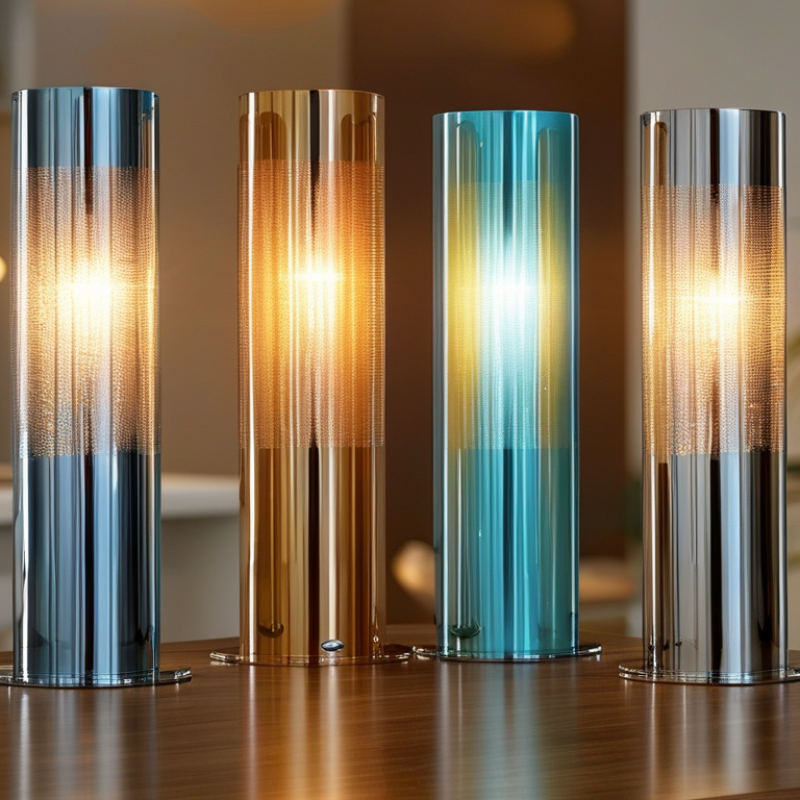
When choosing down lights, understanding the various types is crucial for your space. The most common are recessed, surface-mounted, and pendant down lights. Recessed lights, often installed in ceilings, create a clean look and maximize headroom. According to the National Lighting Bureau, these fixtures can improve a room's vertical space visually, making it feel larger.
Surface-mounted lights are versatile and suitable for areas where ceiling height is limited. They marry function and style, making them popular in contemporary designs. Research from the American Lighting Association indicates these lights can be efficient, offering targeted illumination in tight spots.
Pendant down lights, on the other hand, serve as decorative elements. They come in various shapes and styles. However, they require careful placement to avoid becoming obtrusive. Lighting designers often stress the importance of scale. An oversized pendant can overpower a small room, while a tiny fixture might get lost in a larger space. Consider how each type of down light interacts with your environment before making a decision.

Choosing the right down lights can transform your space. Consider brightness, style, and placement. Brightness is essential. Consider the lumens needed for each area. For example, kitchen tasks require brighter lights than an intimate dining room.
Style matters significantly. Different down lights can enhance various design aesthetics. A sleek, modern fixture works best in contemporary spaces. Alternatively, traditional designs suit classic interiors. Sometimes, the wrong style can clash with the décor, making the space feel unbalanced.
Placement is crucial too. Think about the areas you want to highlight. It can be tricky to position these lights effectively. Too much light in one area can create harsh shadows. Testing different placements can lead to better outcomes. Reflection and adjustment are part of the process. Evaluating how light interacts with your space takes time. Don’t hesitate to seek professional advice if needed.
Choosing the right brightness and color temperature for down lights is crucial for creating an optimal environment. Brightness is measured in lumens, which indicates how much light a fixture emits. For instance, a living room often requires between 1,500 to 3,000 lumens, depending on its size and purpose. Dimmer spaces should consider a lower lumen count for a cozy feel. A study by the Lighting Research Center suggests that around 300 to 500 lumens per square meter is ideal for functional areas like kitchens.
Color temperature, measured in Kelvin (K), affects the mood of a space. Warmer tones, around 2700K to 3000K, create a relaxing atmosphere, perfect for bedrooms or lounges. Cooler tones, like 4000K to 5000K, are suitable for work areas, promoting alertness and focus. It's interesting to note that many people feel uncomfortable in lighting that is too harsh. A common error is assuming that higher lumens always mean better lighting, while in reality, it should match the space's intended use. Reflecting on personal experiences, many find that poor lighting affects their productivity and comfort levels.
| Application | Best Brightness (Lumens) | Recommended Color Temperature (K) | Light Distribution |
|---|---|---|---|
| Living Room | 800 - 1200 | 2700 - 3000 | Wide Beam |
| Kitchen | 300 - 800 | 3000 - 4000 | Narrow Beam |
| Bedroom | 400 - 800 | 2700 - 3000 | Wide Beam |
| Bathroom | 500 - 1000 | 3000 - 4000 | Narrow Beam |
| Dining Room | 400 - 800 | 2700 - 3000 | Wide Beam |
When selecting down lights, understanding the installation requirements and space constraints is essential. A study by the Lighting Research Center indicates that improper placement can reduce lighting efficiency by up to 30%. This inefficiency often stems from poor space assessment. Ensure you measure ceiling heights and room dimensions before making a choice. Each fixture will cast different shadows depending on its position and the surface it illuminates.
Consider the layout of your space. For instance, rooms with low ceilings may benefit from slim-profile down lights. Recessed options can create a clean look, but they require adequate ceiling depth. According to the American Lighting Association, at least 6 inches of clearance is ideal for recessed installations. If space is tight, surface-mounted units may serve as a practical alternative while ensuring compliance with fire safety standards.
Reflect on the potential challenges of running electrical wiring. Not all spaces allow for easy access to existing wiring. Retrofits may be cumbersome, leading to additional costs and time. Up to 50% of homeowners report installation difficulties due to inaccessibility. Always evaluate your capabilities before undertaking the project. Gathering feedback or professional advice before installation can help avoid common pitfalls and ensure your lighting enhances your space effectively.
Choosing energy-efficient down lights is essential for reducing long-term costs. According to the U.S. Department of Energy, LED lighting uses up to 75% less energy than traditional incandescent bulbs. This reduction can lead to significant savings on your electricity bill over time.
When selecting down lights, consider their lumen output and efficiency ratings. This information will help you determine how effectively each light will illuminate your space while consuming energy. A widely accepted standard is the lumen-per-watt ratio, where a higher ratio indicates better efficiency.
Tip: Look for lights with an energy star rating. They meet strict efficiency guidelines, ensuring lower energy usage while providing the same brightness.
Long-term, your choice of down lights affects maintenance costs. LED fixtures last up to 25,000 hours, whereas incandescent bulbs last only about 1,000 hours. The longevity of LEDs translates into fewer replacements and less waste. It's worth considering that initial costs can be higher, but the overall lifetime savings are beneficial.
Tip: Evaluate your space needs carefully. Sometimes, a more powerful light is not necessary. You may not need full brightness in every area.
2025 Bio-Botanica, a division of Bio Answer Holdings Inc. All Rights Reserved.