
Blog

How to Choose the Best Oil Transfer Pump for Your Needs?

Choosing the right Oil Transfer Pump can be a daunting task. With so many options available, it's easy to feel overwhelmed. The right pump should meet your specific requirements, whether for personal, commercial, or industrial use.

Consider important features like capacity, pressure, and material. A reliable Oil Transfer Pump should be durable and efficient. Sometimes, users overlook pump compatibility with their oil types or viscosity. An unsuitable choice can lead to performance issues or even damage.

Remember, the best Oil Transfer Pump is not always the most expensive. Research and read reviews from proven sources to gain insights. It's essential to balance cost with quality. Your needs matter, and taking time to evaluate your options will pay off in the long run.
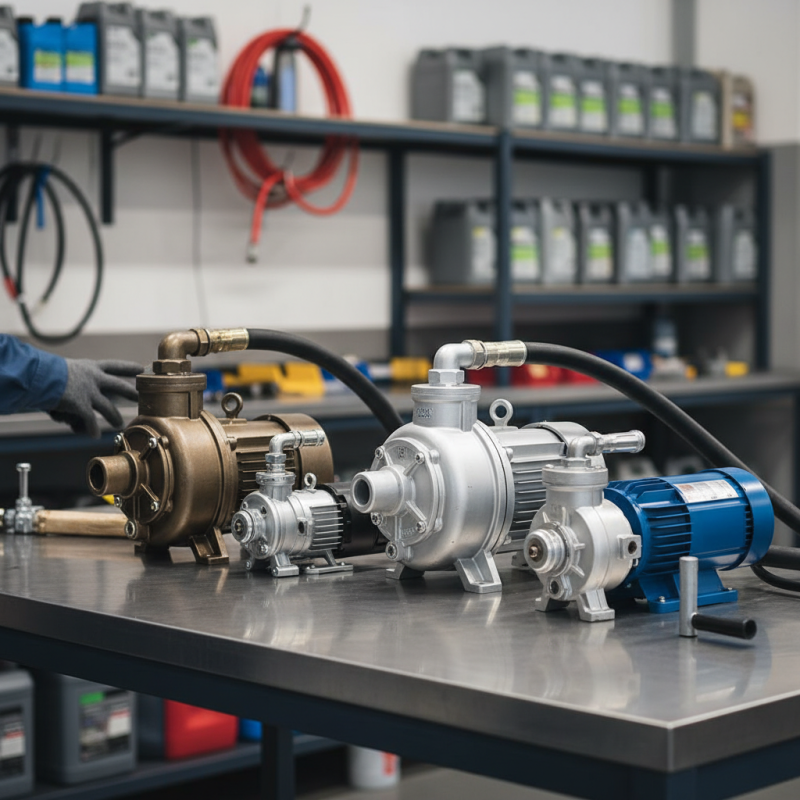
How to Choose the Best Oil Transfer Pump for Your Needs?

Understanding the Different Types of Oil Transfer Pumps Available

When selecting an oil transfer pump, understanding the different types is crucial. There are primarily three categories: centrifugal, positive displacement, and diaphragm pumps.

Centrifugal pumps are widely used for their efficiency. They operate by converting rotational energy into the kinetic energy of the fluid. This allows them to handle larger volumes quickly, making them suitable for bulk transfer.

Positive displacement pumps are another popular option. They utilize a fixed amount of fluid per cycle, making them ideal for accurate dosing and high-viscosity oils. According to the Hydraulic Institute, these pumps can handle liquids up to 1,000,000 centipoise, a critical feature for companies working with thick lubricants.

Diaphragm pumps stand out in their flexibility. They can handle corrosive substances and are often used in industries requiring specialized transfers. However, they might not be suitable for high-pressure applications. Data from the American Institute of Chemical Engineers highlights that diaphragm pumps can achieve a flow rate of 0.5 to 75 gallons per minute.

Choosing the right type depends on your specific application and the physical properties of the oil being transferred. Each type has distinct strengths and weaknesses, so it's essential to analyze your needs carefully before making a decision.

Factors to Consider When Choosing an Oil Transfer Pump

Choosing the right oil transfer pump is essential for various applications, from automotive to industrial uses. A key factor is the pump's flow rate. Many experts recommend a flow rate between 5 and 15 gallons per minute for efficiency. However, this may vary based on the specific demands of your project. Evaluating the viscosity of the oil you plan to transfer is crucial. Thicker oils require pumps with higher power and torque.

Another important consideration is the power source of the pump. Electric pumps are often more user-friendly but may not provide the portability needed for some tasks. On the other hand, manual or pneumatic pumps can be less costly but may require more effort. According to industry studies, approximately 30% of users experience delays in operations due to selecting the wrong power source for their needs.

The material of the pump also plays a significant role. Pumps made from high-quality materials such as stainless steel are ideal for corrosive environments. This ensures durability and reliability over extended use. Current data shows that longevity in oil pumps influences overall maintenance costs. Pumps that last longer will reduce the need for frequent replacements, ultimately saving money over time. Consider these factors carefully to ensure the pump meets your specific needs efficiently.

Assessing the Required Flow Rate and Pressure for Your Application

When choosing an oil transfer pump, assessing the required flow rate and pressure is crucial. A pump’s flow rate defines how fast it can move oil. If your application demands a rapid transfer, you might need a unit with a higher flow rate. On the other hand, slower operations may benefit from a lower rate. Understanding the specific needs of your project can prevent underperformance or pump failure.

Pressure is another vital consideration. It affects the pump's ability to overcome any resistance in the transfer system. For instance, if you're moving oil through long hoses or up steep inclines, higher pressure might be needed. Assessing the layout and design of your setup will help you make a better choice. It’s also essential to consider how varying oil viscosities can influence these factors.

Remember, mistakes can happen. You may miscalculate your flow requirements or overlook pressure impacts. Regularly revisiting these calculations as your needs change is wise. A carefully chosen pump aligns with your application, optimizing performance and efficiency. Always be open to learning from past choices to enhance future results.

How to Choose the Best Oil Transfer Pump for Your Needs?

Pump Type Flow Rate (GPM) Pressure (PSI) Power Source Suitability
Diaphragm Pump 5 30 Electric Light Oil
Gear Pump 10 50 Electric Heavy Oil
Centrifugal Pump 20 40 Gasoline Industrial Use
Peristaltic Pump 3 20 Electric Food Grade Oil
Submersible Pump 15 60 Electric Oil Tank Transfer

Evaluating the Pump's Material and Construction for Durability

When choosing an oil transfer pump, the material and construction play crucial roles in determining its durability. Pumps made from high-quality metals, such as stainless steel, are often more resilient to wear and corrosion. These materials excel in harsh conditions, ensuring a longer lifespan. Additionally, the design should facilitate easy maintenance. A pump that is difficult to access for repairs can lead to increased downtime.

Rubber seals and gaskets are essential components that can affect performance. They should be made from materials that withstand oil exposure. Poor-quality seals can lead to leaks and inefficiencies. Observing the craftsmanship of these components can save you from future headaches. Holes and seams should be clean and well-finished. Flaws in construction can compromise both safety and functionality.

Consider also the weight of the pump. Heavier models may indicate sturdier construction, but they can be cumbersome. A balance between weight and durability is needed. Evaluate the warranty options available. A comprehensive warranty often reflects the manufacturer’s confidence in their product. This can provide peace of mind, yet read the fine print. Some warranties may have limitations that could surprise you later.

Budgeting and Cost Considerations for Oil Transfer Pumps

When choosing an oil transfer pump, budgeting is key. Understand that costs vary based on features and capacity. A basic model may start at a low price, but you must consider efficiency, durability, and warranty. Investing slightly more upfront can save money on repairs later.

Analyze your needs carefully. Assess how often you'll use the pump. Daily use may warrant a heavy-duty model. If it’s occasional, a simpler design works fine. Features such as flow rate and power requirements also affect pricing. Make sure to research options based on these specifications.

Be wary of hidden costs. Installation may require additional supplies or professional help. Maintenance is another factor. Some pumps need more routine care, increasing long-term costs. Learning about these aspects can prevent future frustrations. Always seek reliable sources for guidance.

Oil Transfer Pump Budgeting and Cost Considerations

Botanical Extracts Manufacturing | Manfacture botanical extracts for supplements.