
Blog

How to Choose Dental Implant Screwdrivers in 2026?

Choosing Dental Implant Screwdrivers in 2026 requires more than comparing prices or counting driver tips. Implant dentistry is becoming increasingly precise, yet many purchasing decisions still begin with habit. That is risky. A driver must match the implant connection, screw head, torque range, sterilization process, and clinical workflow. One loose fit can damage a screw head, delay restoration, or create unnecessary chairside frustration.

Industry data also shows why this decision deserves attention. Fortune Business Insights valued the global dental implants market at approximately USD 4.6 billion in 2023 and projected continued growth through 2032. Grand View Research has reported a strong growth outlook for implant dentistry through 2030. These reports measure implants, not screwdriver sales, but they reveal a larger trend: more procedures require reliable restorative instruments. The market numbers are useful. They are not a substitute for clinical judgment.

Carl E. Misch, a leading implant dentistry author, wrote, “The goal of implant dentistry is to restore the patient to normal function, comfort, esthetics, speech, and health.” That goal begins with small mechanical details. A clinician should inspect driver engagement under bright light, feel rotational stability, and verify torque calibration before use. Hex, star, and proprietary systems are not interchangeable. Some universal kits appear efficient, but their fit may be imperfect. That weakness deserves more attention. In 2026, the best Dental Implant Screwdrivers will be selected through evidence, compatibility checks, ergonomic testing, and honest reflection on daily clinical experience.

How to Choose Dental Implant Screwdrivers in 2026?

Understanding Dental Implant Screwdriver Types in 2026

How to Choose Dental Implant Screwdrivers in 2026?

Understanding Dental Implant Screwdriver Types in 2026

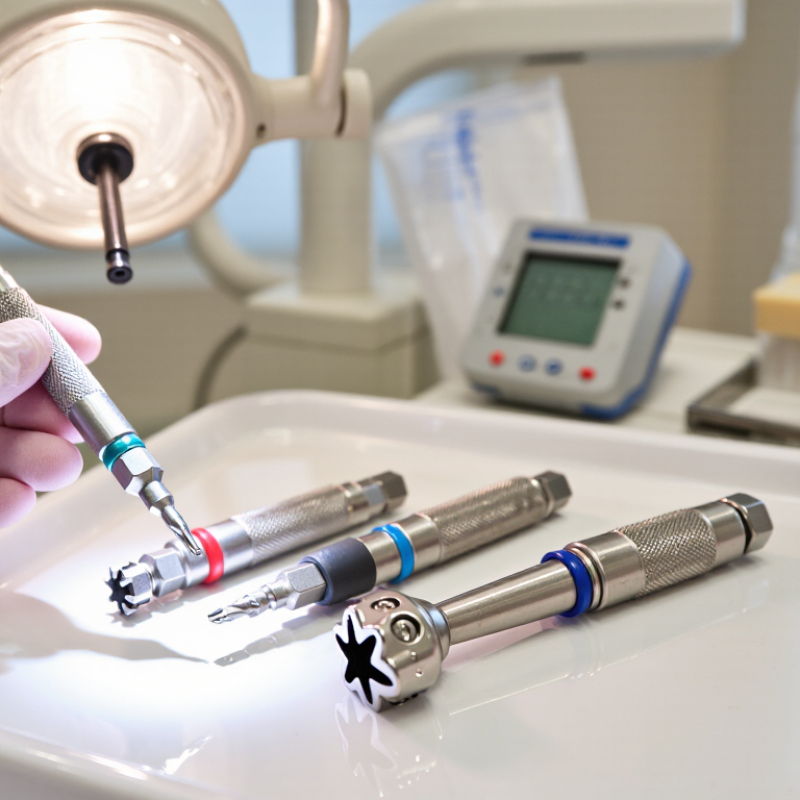
Dental implant screwdrivers differ by tip shape, connection depth, and handle design. Common types include hex, star, square, and specialized multi-lobed drivers. The correct tip must match the implant screw precisely. A loose fit may damage the screw head or reduce torque control. A deep, stable connection feels different during placement. It should not wobble.

Manual drivers suit simple adjustments and provide direct tactile feedback. Ratchet drivers help clinicians apply controlled torque. Contra-angle drivers support powered workflows, but they require compatible torque settings.

Some systems now use color coding and digital inventory records. These features reduce selection errors, although they cannot replace visual inspection. A screwdriver may look compatible and still fail under pressure.

Tips: Check the driver profile, shaft length, and torque range before treatment. Keep short and long versions available for posterior access. Inspect the tip under bright light for wear or rounded edges. Sterilization can gradually affect markings and handle surfaces. Do not rely on memory alone; verify the connection against approved clinical documentation. If resistance feels unusual, stop and reassess. Small errors matter. A practical weakness remains: universal drivers save space, but they may not provide the same fit as system-specific instruments.

Matching Screwdriver Design to Implant Connection Systems

How to Choose Dental Implant Screwdrivers in 2026?

Matching screwdriver design to the implant connection system is essential for controlled clinical work. Internal hex, external hex, and conical connections require different driver geometries. A driver may look compatible but engage poorly at the base. That small mismatch can damage the screw head or reduce torque accuracy. Check the connection drawing, driver size, and engagement depth before use. A stable fit should feel firm, not forced.

I have seen clinicians focus on shaft length while overlooking tip design. That decision can create access problems in posterior areas. Long shafts improve reach, but they may flex under pressure. Shorter shafts often provide better control during initial seating.

Angled drivers can help with limited mouth opening, although they need careful alignment. Ratcheting systems should match the required torque range and connection type. Always verify the current instructions for use, sterilization limits, and instrument condition. Repeated cleaning can wear edges gradually.

Tips: Keep dedicated drivers organized by connection geometry, not only by size. Test engagement manually before applying torque. Replace drivers with rounded corners, visible corrosion, or a loose fit. Do not assume one universal tip is safer. It may save time, but it can hide poor contact. Photographing worn tips during maintenance reviews can reveal recurring selection errors. That reflection is useful. Selection methods may need adjustment.

Evaluating Materials, Torque Control, and Ergonomic Features

How to Choose Dental Implant Screwdrivers in 2026?

Selecting a dental implant screwdriver requires more than matching a driver to a screw head. In clinical practice, material choice affects control, cleaning, and service life. Hardened surgical stainless steel offers strength and resists repeated sterilization. Titanium can reduce weight, but it may show wear sooner under heavy torque.

Inspect the tip under magnification. Tiny rounding can damage engagement. I once underestimated this detail; the driver felt secure, yet the screw connection was less precise.

Torque control deserves measured attention. Choose a driver with a clearly calibrated scale or compatible torque-limiting mechanism. Confirm its range matches the procedure and the implant system’s documented requirements.

A smooth release helps prevent sudden over-tightening. Do not rely on hand feel alone. Gloves, fatigue, and limited access distort judgment. Calibration records matter, although busy clinics sometimes postpone them. That habit needs correction.

Ergonomics influences accuracy during small, repetitive movements. A textured handle should remain stable without excessive squeezing. The grip must fit different hand sizes and allow a straight wrist.

A short shaft improves access, while a longer shaft may improve visibility. Neither design wins in every mouth.

Test the driver with gloves before purchase. Check locking parts, markings, and cleaning instructions. Some tools look comfortable for five minutes, but create thumb pressure during a longer appointment.

Checking Sterilization, Compatibility, and Clinical Safety

How to Choose Dental Implant Screwdrivers in 2026?

Checking Sterilization, Compatibility, and Clinical Safety

A dental implant screwdriver should fit the procedure, not just the storage tray. Before use, verify its drive shape, size, length, and connection with the implant system. A slight mismatch can damage the screw head or reduce torque control. I prefer checking the technical chart and the actual component together. Memory is not enough.

Sterilization deserves equal attention. Confirm that the screwdriver is approved for the clinic’s validated cleaning and sterilization cycle. Inspect the instrument after every cycle. Look for worn edges, corrosion, trapped debris, or a loose connection. Hinged torque devices need careful disassembly when permitted. An instrument may look clean and still hide residue.

Clinical safety also depends on handling. Use a calibrated torque device when the manufacturer specifies a target value. Do not force a driver that feels unstable. Stop and reassess. Small instruments can disappear under a drape, so use a secure retrieval method and maintain a clear field. I have found that hurried checks create more risk than complex cases. That is an uncomfortable lesson.

Compatibility should be documented before surgery, including the implant connection and restorative component. Keep records of inspection, sterilization, and torque verification. Guidance can change, and local clinical requirements may differ. When instructions conflict, consult current technical documentation and qualified dental professionals. A cheaper or familiar screwdriver is not automatically the safest choice.

Comparing Quality, Cost, and Long-Term Maintenance Needs

Choosing a dental implant screwdriver requires more than comparing the purchase price. Quality affects fit, torque transfer, and procedural consistency. A precisely machined tip should engage the screw without rocking or slipping. Even slight movement may damage the driver or implant connection.

Cost becomes clearer when you calculate the full service life. A low-priced tool may need earlier replacement after repeated sterilization cycles. Check its corrosion resistance, handle durability, and available replacement parts. Ask whether torque markings remain readable after cleaning. That small detail matters during a busy appointment. The cheapest option is not always economical.

Long-term maintenance deserves equal attention. Follow the cleaning and sterilization instructions supplied with the instrument. Inspect the tip under magnification for rounding, cracks, or metal debris. Calibration should be verified at scheduled intervals, especially for torque-controlled drivers. Dental teams should record use, sterilization cycles, and inspection results. This creates practical evidence for replacement decisions.

A useful comparison includes purchase cost, maintenance time, calibration fees, and possible procedure delays. In my assessment, many teams underestimate storage conditions. Moisture left inside hinges or connection areas can shorten service life. That mistake is easy to repeat. Clinical staff should also test driver compatibility with the implant system before treatment, rather than relying on visual similarity. A careful selection process may feel slower, but it supports safer handling and more predictable maintenance.

How to Choose Dental Implant Screwdrivers in 2026?

Comparing quality, cost, and long-term maintenance needs

This brand-neutral benchmark compares common screwdriver categories. Purchase price and annual maintenance are typical market estimates in USD, while torque repeatability is an indicative quality score based on the stability of torque delivery. Torque-controlled systems generally provide better consistency, but they require higher initial investment and periodic inspection or calibration.

Botanical Extracts Manufacturing | Manfacture botanical extracts for supplements.