
Choosing the right home textile fabric is essential for comfort and style. The global home textile market is projected to reach $131.3 billion by 2024. Understanding the various fabric options can be overwhelming. For instance, cotton is favored for its breathability, while polyester offers durability.
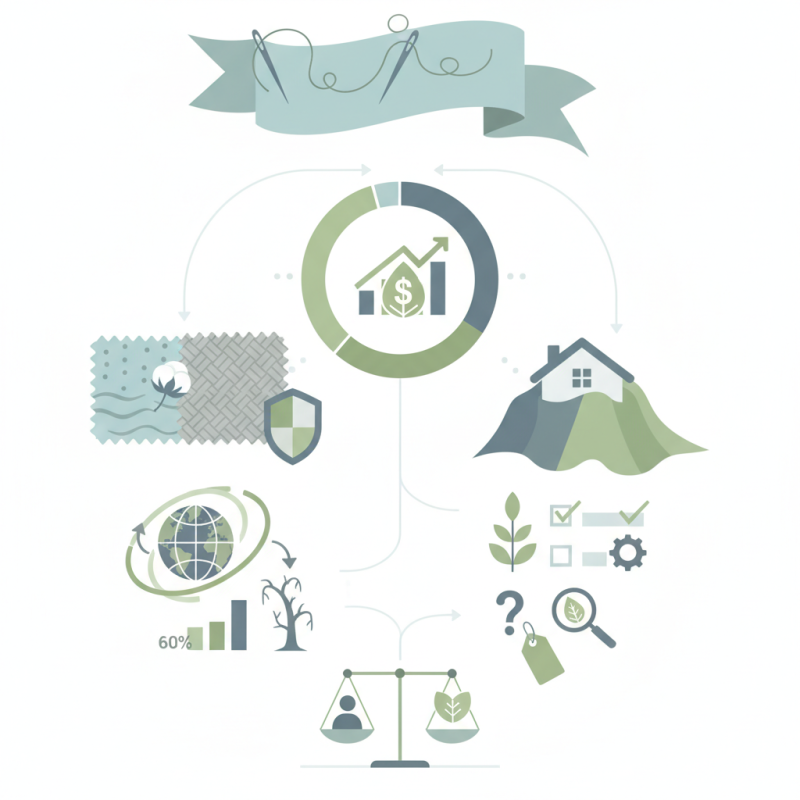
Many consumers are unaware of how fabric choice impacts sustainability. A report from EcoTextile states that 60% of home textiles are made from synthetic fibers, which can harm the environment. This highlights the need for thoughtful selection.
Incorporating high-quality home textile fabric can elevate your living space. Look for textiles that blend aesthetics with functionality. However, be cautious. Not all “eco-friendly” fabrics are truly sustainable. Explore options, but remain critical of marketing claims. Balancing personal needs with environmental impact is crucial for your investment.
Understanding the various types of home textile fabrics can be quite daunting. There are countless options available, each with its own unique characteristics. Cotton is a popular choice. It’s soft, breathable, and easy to care for. However, it may not always hold up well against stains. So, consider this if you have kids or pets.
Linen is another option that brings elegance to any space. It's known for its durability and natural luster. But it wrinkles easily, which can be a dealbreaker for some. On the flip side, polyester is robust and resistant to shrinking. Yet, it lacks the natural feel of cotton or linen, which some people dislike. Each fabric choice comes with its own set of pros and cons that deserve careful consideration.
Don't overlook blends. They combine the best qualities of different fibers. For example, cotton-polyester blends offer easy maintenance while maintaining comfort. But remember, blends can sometimes lack the authenticity you're looking for. Selecting the right fabric requires balancing comfort, aesthetics, and practicality. An informed decision can enhance your home's beauty and functionality.

When choosing home textile fabric, durability and maintenance are key factors. You want fabrics that stand up to daily use. Look for materials that resist wear and tear. Some fabrics may seem appealing but can easily fade or tear. Think about your lifestyle; if you have pets or kids, opt for sturdier options.
Washability is also crucial. Some fabrics, like cotton, are easy to maintain. Others may require special cleaning methods. This can lead to extra effort and costs. Consider how often you will need to wash your textiles. Fabrics that can withstand frequent washing tend to last longer.
Tips: Check the fabric’s weight. Heavier fabrics are often more durable. Always read care labels for maintenance specifics. Don’t overlook colorfastness; a fabric that bleeds color can ruin your décor. Take time to evaluate your choices. Each fabric has strengths and weaknesses. Reflect on what suits your home and needs best.
When selecting home textile fabric, fabric weight plays a crucial role. The fabric weight affects the drape, durability, and overall feel of your textiles. According to industry reports, lighter fabrics typically weigh between 140-180 grams per square meter (GSM) and are ideal for items like curtains. Heavier fabrics, with a weight over 300 GSM, are often used for upholstery, providing sturdiness and longevity.
Tip: Always consider where the fabric will be used. For bedding, lighter fabrics enhance comfort. For heavy-use items like sofas, choose heavier fabrics for better wear resistance. A recent study noted that fabrics with a weight of 200-300 GSM are popular for throws and cushions, blending comfort and durability.
It’s essential to reflect on how fabric weight impacts your lifestyle. For instance, a lightweight fabric may feel luxurious but might not withstand daily use. Conversely, heavier options can limit design choices if the drape is not what you envision. Understand your needs to find the right match.
| Fabric Type | Weight (GSM) | Best Use | Care Instructions |
|---|---|---|---|
| Cotton | 150-200 | Bedding, Cushions | Machine wash cold |
| Linen | 200-300 | Tablecloths, Curtains | Hand wash or gentle cycle |
| Polyester | 100-150 | Upholstery, Curtains | Machine wash warm |
| Silk | 80-150 | Bedding, Drapery | Dry clean only |
| Wool | 300-500 | Blankets, Throws | Hand wash, lay flat to dry |
When selecting home textile fabrics, color, pattern, and design coordination play a crucial role. Start by examining the color palette in your space. Consider the existing furniture and wall colors. Rich, deep tones can create a cozy atmosphere. Lighter shades tend to brighten a room. If the room feels heavy, you might want to incorporate some pastels to lighten it up.
Patterns also deserve attention. A bold geometric design can add a modern touch. Floral prints can evoke a sense of calm and nature. However, mixing patterns can be tricky. Too many can clash and cause visual chaos. Aim for a balanced look. Perhaps choose one main pattern and complementary solids. Don’t be afraid to experiment. Sometimes, a failed combination can lead to a unique style.
Design coordination extends beyond aesthetics. Think about function as well. Will the fabric endure daily wear? This can often be overlooked. As you make your choices, remember that comfort is as important as style. Maybe the fabric feels luxurious but isn't practical for your lifestyle. Balance form and function to create a harmonious living space.
When budgeting for home textile fabrics, start by identifying your priorities. What do you need? Think of curtains, upholstery, and cushion covers. Each item varies in cost. Fabrics range from affordable, synthetic options to luxurious, natural materials.
Consider the room where you plan to use these textiles. High-traffic areas may need durable fabrics. Live with pets or children? Look for stain-resistant materials. These choices can affect your budget significantly. Setting realistic spending limits helps, but flexibility is essential. Unexpected costs often arise during shopping, such as additional fabric needed for mismatches or mistakes.
Don’t forget to factor in maintenance. Some fabrics require professional cleaning, adding to overall expenses. It’s worth spending time researching before committing financially. Rethink your selections. Are you drawn to trendy patterns that might not last? Sometimes less is more, especially in timeless decor. This balance between beauty and practicality will guide your spending decisions wisely.
2025 Bio-Botanica, a division of Bio Answer Holdings Inc. All Rights Reserved.