
Blog

How to Choose the Best Ceremonial Matcha for Your Business

Choosing the best Ceremonial Matcha for your business is more than comparing bright green powders. It means finding a product that suits your menu, customers, and daily service. A café serving matcha lattes may need a different balance from a tea room preparing thin, whisked matcha. Small details matter. Look at the powder’s color, aroma, texture, and flavor, then test it in the drinks you actually plan to sell. A fresh, fine powder should feel smooth between the fingers and whisk into a vivid, even bowl. But appearance alone can mislead. The term “ceremonial” is not used identically by every seller, so ask what the supplier means by it.

A reliable choice also depends on clear sourcing information, consistent batches, suitable packaging, and practical ordering terms. Ask where the tea was grown and processed, how freshness is protected, and whether the supplier can provide relevant product or quality documentation. Then request a sample. Taste it plain and with milk, if milk drinks are part of your menu. Notice the finish, not just the first impression. A pleasant sweetness can become muted in a latte; a sharper bitterness may stand out. Even a careful tasting can be imperfect. Water temperature, whisking, and personal preference all affect the cup. Compare a few options under the same conditions, record what you notice, and consider customer feedback before committing to larger orders. The best match is not always the most expensive one. It is the one your team can prepare consistently and your customers will want to order again.
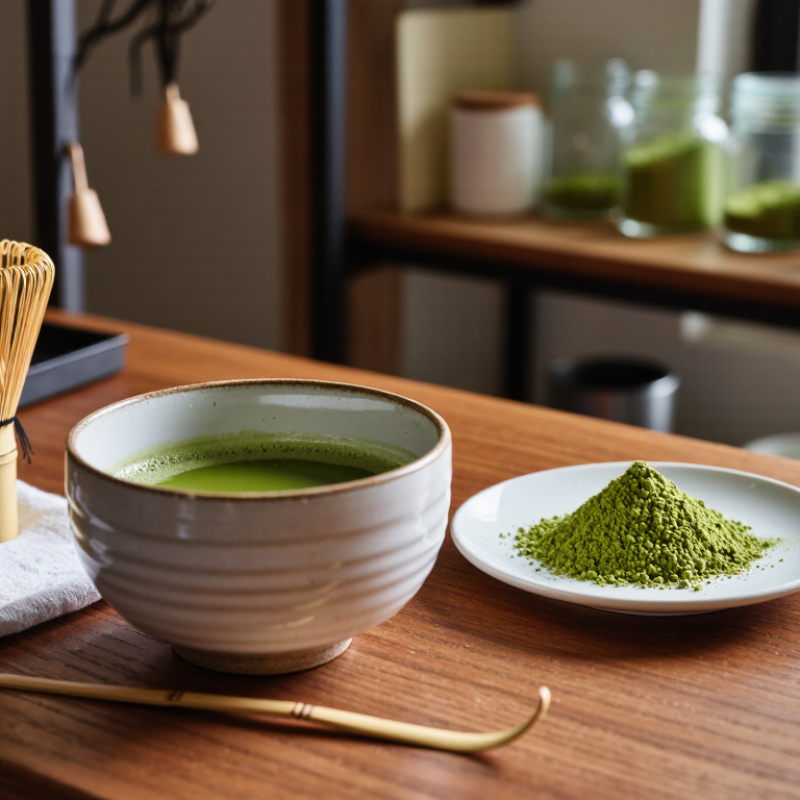
How to Choose the Best Ceremonial Matcha for Your Business

Define Ceremonial Matcha and Its Role in Your Business

“Ceremonial matcha” usually refers to finely milled green tea intended for drinking with water, rather than mainly for cooking. The powder is whisked into a smooth, bright-green drink. It should taste fresh and balanced, not harshly bitter. The term is not governed by one universal grading standard, so a label alone cannot confirm quality. Ask suppliers about harvest, storage, and how they assess each lot.

For a café, ceremonial matcha can anchor a simple tea service or support a premium menu price. Its flavor needs to remain clear when prepared with hot water and a bamboo whisk. Try a small sample before ordering in volume. Note the color, aroma, texture, and finish. A dull tone or persistent grit may point to age, handling, or preparation issues. Details matter.

For retail or hospitality teams, reliable supply is as important as a pleasing cup. Matcha loses freshness when exposed to air, heat, light, and moisture. Keep tins sealed and store them away from ovens and sunny windows. Staff training helps, though results still vary with water temperature and whisking. I would not treat “ceremonial” as a guarantee; tasting and testing in your own service setting is more useful.

Identify Key Quality Indicators for Ceremonial Matcha

How to Choose the Best Ceremonial Matcha for Your Business

A reliable assessment starts with the powder, not the label. “Ceremonial” has no universally applied grading rule, so compare supplier specifications and test samples. Look for a clear, fresh green hue, a fine texture, and a clean aroma. Color matters. A dull or yellowish appearance can suggest age or poor storage, though lighting can mislead.

Taste it with water, not only in a sweetened drink. Quality matcha should feel smooth, with gentle umami and restrained bitterness. Ask for harvest and milling details, batch traceability, and a recent certificate of analysis covering relevant contaminants and microbiological measures.

Japan’s Ministry of Agriculture, Forestry and Fisheries reported about 7,579 tonnes of green-tea exports, worth ¥29.2 billion, in 2023. That figure covers green tea broadly, not ceremonial matcha alone; export growth does not prove quality.

Tips: Whisk a small sample in warm water and inspect the surface for clumps or grit. Smell it again after opening. Request samples from more than one lot, then compare them in your actual menu recipes. A vivid color is useful, but it is not a complete quality test. I would treat any single “premium” claim with caution.

Evaluate Matcha Origins, Harvesting, and Processing

For a ceremonial matcha program, origin is a useful starting point, not a quality guarantee. Ask for the prefecture, cultivar, harvest date, and lot traceability. Japan’s Ministry of Agriculture, Forestry and Fisheries (MAFF) reports that Kagoshima and Shizuoka are major green-tea-producing regions, but regional reputation cannot replace tasting. Compare dry leaf aroma, liquor color, and bitterness in the same preparation. Small differences show quickly in a plain bowl.

Harvest and processing shape flavor. Ask whether leaves were shaded before picking, for how long, and whether the material is tencha: steamed, dried without rolling, then milled. Shading generally supports greener color and a sweeter, more savory profile; poor storage can still flatten it. Check milling and packing dates, too. Freshness matters. MAFF tea statistics show Japanese tencha output at roughly 4,000 tonnes in recent years, a small stream compared with total green-tea production.

Export figures need careful reading. MAFF’s 2023 trade statistics recorded 7,579 tonnes of Japanese green-tea exports, worth ¥29.2 billion; these figures cover all green tea, not matcha alone. They signal growing international demand, not ceremonial-grade supply. Request a recent specification sheet and test a sample in both water and milk. I would not rank a supplier from color alone; lighting can mislead, and astringency may become obvious only after the bowl cools.

Test Flavor, Color, and Performance in Your Menu

Choosing ceremonial matcha for a menu starts with a controlled tasting, not a bright-green photo. Whisk a small portion with warm water and note sweetness, bitterness, aroma, and finish. Taste it plain. A vivid color can suggest freshness, but it cannot guarantee a balanced cup. Look for an even, fine powder and a clean, grassy aroma; dull color or a lingering harsh taste deserves a second check. Keep the water temperature and powder ratio consistent across samples, or the comparison becomes unreliable.

Then test each candidate in the actual drink. Try it in water, milk, and your planned sweetened recipe. Does the flavor still come through? Does the powder disperse smoothly, or leave gritty sediment after a few minutes? Record color, taste, whisking time, and serving cost per cup. Small tests matter: Grand View Research estimated the global matcha market at USD 3.09 billion in 2023, in its Matcha Market Size, Share & Trends Analysis Report. That estimate signals category growth, not proof that every premium powder suits every menu. I would also retest after opening; storage and handling can change the result, and a tasting note from one batch may not hold for the next.

How to Choose the Best Ceremonial Matcha for Your Business - Test Flavor, Color, and Performance in Your Menu

Evaluation dimension What to test Practical assessment What a strong result looks like Menu relevance
Flavor balance Taste the tea whisked with water, without sweetener or milk. Note sweetness, savory depth, bitterness, astringency, and finish. Use the same matcha-to-water ratio for each sample. A balanced profile with pleasant vegetal or savory notes and no harsh, lingering bitterness. A clear, balanced taste can work in straight matcha; more assertive flavor may hold up better in milk-based drinks.
Color and appearance Inspect the dry powder and prepared drink under consistent lighting. Record the powder’s hue, look for visible clumps, and check whether the prepared drink appears even after whisking. A fresh-looking green shade and a smooth, evenly dispersed drink; color alone is not proof of quality. A vivid appearance can support presentation, especially in drinks served without opaque additions.
Texture and dispersion Prepare the matcha using the tools and method available to staff. Check for dry pockets, clumps, gritty mouthfeel, and powder settling during a normal service interval. The powder disperses with the chosen preparation method and produces a smooth drink with minimal clumping. Reliable dispersion helps reduce remakes and supports consistent service across different drink formats.
Performance in milk drinks Test the matcha in the actual milk or milk alternative used on the menu. Use a consistent recipe and assess whether the tea remains noticeable alongside the milk’s sweetness and texture. The matcha flavor remains identifiable without requiring an impractical increase in the recipe dose. Useful for evaluating lattes, iced drinks, and other recipes where milk can soften tea flavor.
Performance in sweetened recipes Test with the sweetener and serving style planned for the menu. Compare the drink at the intended sweetness level and note whether sweetness masks the tea’s aroma or finish. The finished drink tastes balanced, with recognizable matcha character rather than only sweetness. Helps determine suitability for flavored lattes, blended drinks, and desserts.
Preparation consistency Have more than one staff member prepare the same recipe. Compare flavor, color, texture, and preparation time using written portions and a repeatable method. Different operators can produce similar drinks without unusually specialized handling. A practical indicator of whether the matcha fits a busy, multi-staff operation.
Recipe yield and cost Calculate ingredient cost using the dose that produces an acceptable finished drink. Divide the usable quantity in the package by the measured dose per serving, then compare cost per recipe. The dose, flavor, and finished-drink quality support the intended menu price and portion standard. Use actual recipe quantities and purchase costs; do not compare package price alone.
Freshness and storage Review packaging, storage guidance, and how the powder changes after opening. Keep samples sealed, dry, and away from heat, light, and strong odors; follow the supplier’s storage instructions. The product can be stored and rotated using the business’s normal inventory procedures. Supports dependable flavor and color during the period the product is in use.

For a fair comparison, prepare every sample with the same water, recipe, equipment, and serving conditions. Record observations from repeated tests before making a purchasing decision.

Assess Suppliers, Pricing, and Consistency Before Choosing

Before choosing a ceremonial matcha supplier, request samples from at least three production lots. Compare color, aroma, texture, and flavor using the same water temperature and whisking method. A vivid green powder should smell fresh, not grassy or stale. Ask for harvest dates, origin details, processing information, and recent test results. Then test the matcha in your actual service setting. A cup prepared at a tasting table may behave differently during a busy morning rush.

Check pricing beyond the quoted cost per kilogram. Include freight, packaging, storage, and expected waste; a lower price can become expensive if color or flavor shifts between deliveries. Japan’s Ministry of Agriculture, Forestry and Fisheries reported green-tea exports of 7,579 tonnes, worth ¥29.2 billion, in 2023. This figure covers green tea overall, not matcha alone, but it signals a growing export market where dependable supply deserves scrutiny. Ask suppliers how they manage crop variation and whether they can reserve matching lots. Request written specifications and retain a sealed sample from each delivery. No supplier is perfectly consistent. That is worth admitting. Recheck the matcha after opening, and reconsider the supplier if your usual preparation suddenly tastes sharper or looks duller.

How to Choose the Best Ceremonial Matcha for Your Business

Suggested weighting for assessing suppliers before making a purchasing decision

How to use this chart: These are suggested decision weights, not market statistics. Prioritize quality and batch consistency, then compare pricing, traceability, and supply reliability using the same criteria for each supplier.

Botanical Extracts Manufacturing | Manfacture botanical extracts for supplements.