
Finding the right kids bikes for sale can be a daunting task. The market offers a plethora of options, which may overwhelm parents. It's essential to consider various factors when making a choice. Safety, comfort, and style are just a few key elements to keep in mind.
Before diving into selections, think about your child’s age and size. Some bikes are crafted specifically for small riders, while others suit older kids. Additionally, the right features can enhance their riding experience. We often overlook how crucial durability is. A sturdy bike can withstand the rough and tumble of childhood adventures.
Local shops and online stores are great places to explore current kids bikes for sale. However, every bike may not meet your expectations. Take time to read reviews and seek expert advice. Engaging in this process can reveal imperfections in various models, allowing room for reflection and improvement. Ultimately, the right bike will create joyful memories for your child.
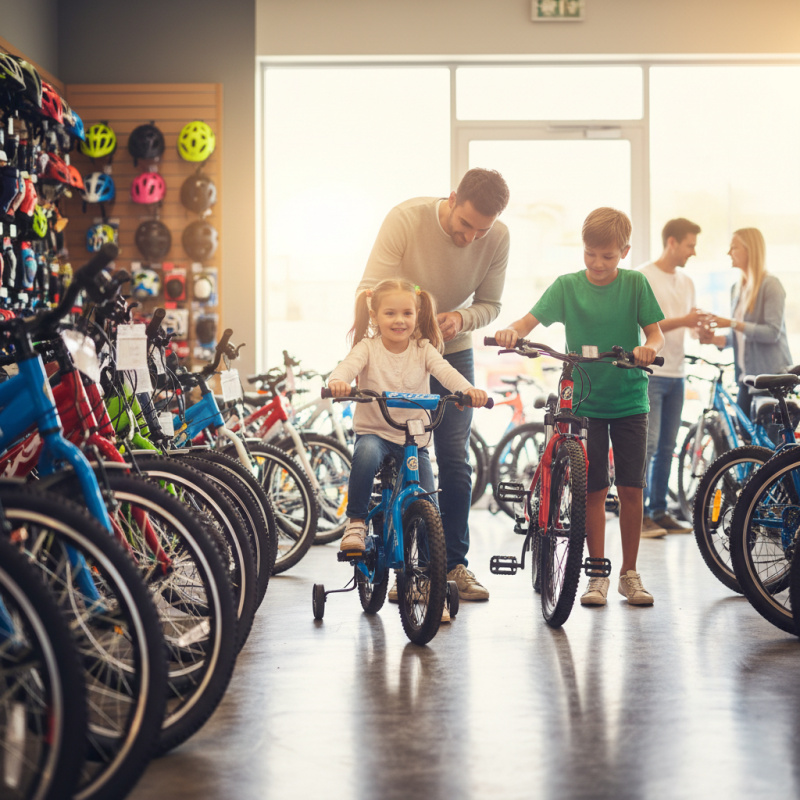
When selecting a kids' bike, size and fit are crucial elements to consider. A bike that is too big or small can lead to discomfort and unsafe riding. Start by measuring your child's inseam. This will help you find the right frame size. Ideally, your child should be able to touch the ground with their feet when sitting on the saddle. This basic check can significantly enhance their confidence while riding.
Another aspect is the bike’s weight. A lighter bike is easier for kids to handle. It allows them to maneuver easily, especially when learning. Take the time to have your child test ride a few options. Their comfort and ability to control the bike matter immensely. Pay attention to how they feel while riding. If they struggle or seem hesitant, the fit may not be right.
Adjustability is also vital. Choose a bike with a seat that can be raised or lowered easily. This ensures the bike can grow with your child. Proper fit promotes better balance and control. Each ride should feel enjoyable, not frustrating. Keep these details in mind, and you’ll find a suitable bike for your child’s needs.

Choosing the right materials for kids' bikes is crucial. The bike's frame, wheels, and components significantly impact safety and durability. Lightweight aluminum is often preferred for children's bikes. It provides a good balance between strength and weight. Steel frames may offer durability but can be heavier for young riders.
Consider tire materials too. Rubber tires provide better traction and a smoother ride. But some bikes use foam tires, which are puncture-proof but may lack comfort. Safety should always be a priority when selecting a bike. Look for features like reflective materials and sturdy brakes.
Think about the bike’s overall design. Children should feel comfortable and confident while riding. A poorly designed bike can lead to accidents. It's essential to think about how well the bike fits your child’s size and riding skill. Visit local shops to test different bikes. Encourage your child to give feedback during the selection process.
When selecting a kids bike, safety features are essential. Look for bikes that have a reliable braking system. Hand brakes are often easier for kids to use. Coaster brakes may be tough for smaller hands. A bike with both options can provide extra safety.
Make sure the bike has appropriate reflectors. They increase visibility during low-light conditions. Bright colors and lights can help, but reflectors are crucial. Check for solid wheels and tires that grip well. This ensures stability on various terrains. A sturdy frame can withstand falls and rough use.
Another important feature is adjustable components. A bike that grows with your child is a smart choice. Look for adjustable seats and handlebars. This allows your child to ride comfortably for years. Always double-check the assembly of the bike. Poor assembly can lead to issues. It’s crucial to ensure everything is secure and working properly.
| Feature | Description | Importance |
|---|---|---|
| Adjustable Seat Height | Allows the bike to grow with your child and ensures proper leg extension. | Essential for comfort and control. |
| Handbrakes | Provides better stopping power compared to coaster brakes. | Increases safety during descents and in emergency stops. |
| Reflectors | Enhances visibility in low-light conditions. | Critical for safety near vehicles. |
| Sturdy Frame | Made from lightweight yet durable materials. | Ensures durability and stability during rides. |
| Tire Size | Larger tires provide better grip and balance. | Helps in navigating various terrains safely. |
When searching for quality kids bikes, price is a major factor. According to industry reports, a good quality kids bike typically ranges from $150 to $300. Parents should consider durability and safety features within this budget. Cheaper options may wear out quickly, costing more in the long run. Spending a bit more can lead to a better investment.
Comparing prices is essential. Not all stores offer the same pricing for similar bikes. Research shows that local shops may provide valuable expertise, helping you find the right size and style. Online retailers might offer lower prices, but they lack personalized guidance. Additionally, consider seasonal sales or discount events. These can be perfect opportunities to save.
It's important to reflect on your needs. A bike should match not just the child’s age but also their riding experience. Some parents overlook this and end up with inappropriate sizes or types. Assessing your child's interests can save frustration later. Encourage your child to test different bikes; their preference matters. Balancing all these factors ensures you get the best quality within your budget.
When deciding where to buy kids' bikes, local bike shops and online retailers present distinct advantages. Local shops offer hands-on experience. Parents can see and test bikes for size and comfort. This can greatly reduce the risk of selecting a poorly fitting bike, which studies show is crucial for safety. According to a 2022 report by the Bicycle Retailer and Industry News, proper fit can enhance riding confidence among children.
On the other hand, online retailers often boast competitive pricing. They can provide a larger selection. A 2023 survey indicated that 67% of parents prefer buying bikes online to save money. However, buying online may come with hidden costs. Shipping fees and return delays can create issues, especially if the bike needs adjustments. In fact, studies show that 30% of online bike purchases lead to dissatisfaction due to fit or quality.
Balancing these options can be tricky. While local bike shops allow for personalized service, online shopping provides convenience. Ultimately, considering your child’s needs and preferences can guide your choice. Reflection on this decision may lead to finding the best fit for both support and savings.
2025 Bio-Botanica, a division of Bio Answer Holdings Inc. All Rights Reserved.