The dairy packaging bag market is evolving rapidly, influenced by technological advancements and shifting consumer preferences. According to a report by MarketsandMarkets, the global dairy packaging sector is projected to reach $10 billion by 2026, driven primarily by the demand for sustainable and innovative packaging solutions. Dairy brands are increasingly focusing on eco-friendly materials, such as biodegradable and recyclable options, to meet environmental concerns.
Moreover, the rise of e-commerce is reshaping packaging requirements. Consumers seek convenience and product safety, driving innovations in flexible packaging designs. Bright, eye-catching graphics are more important than ever, as they enhance brand visibility and attract consumer interest. However, some companies struggle to balance aesthetics and functionality, often compromising on product protection.
In response to competitive pressure and changing market dynamics, brands must rethink their strategies on dairy packaging bags. They face the challenge of integrating technology, like smart packaging, while remaining compliant with stringent regulations. The future landscape will require continuous innovation and careful consideration of both consumer demands and sustainability practices.
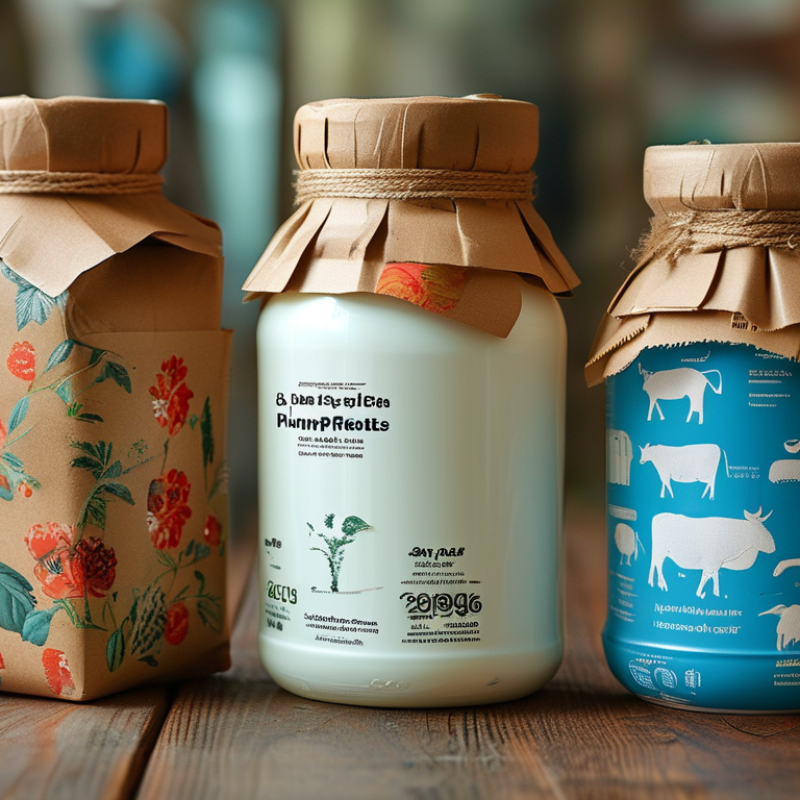
The dairy packaging industry is evolving with a strong focus on sustainability. Emerging materials are at the forefront of these innovations. According to a recent industry report, over 50% of consumers prioritize eco-friendly packaging. This shift drives the exploration of biodegradable, compostable, and recyclable materials.
New plant-based plastics are gaining traction. Made from renewable resources, they could reduce reliance on fossil fuels. Furthermore, innovations like intelligent packaging are on the rise. These labels help track freshness and reduce waste.
Tips: Consider packaging that is easy to recycle. This can enhance your brand's appeal. Look for materials that have a lower environmental impact. Engaging in sustainability can set your product apart in a competitive market.
However, challenges remain. Finding materials that maintain quality and extend shelf life is crucial. Additionally, the cost of sustainable options can deter some producers. Adaptation is essential to meet both efficiency and environmental goals in dairy packaging design.
This chart illustrates the projected adoption rates of various packaging trends in the dairy industry for 2026. Biodegradable materials lead the way, indicating a strong focus on sustainability within the sector.
In 2026, dairy packaging is evolving with innovative designs that prioritize both aesthetics and functionality. Sleek, minimalist bags are emerging as consumer preferences shift toward cleaner lines and modern looks. These designs not only attract attention but also enhance user experience. For instance, resealable options are gaining popularity, allowing for easy access while maintaining freshness.
Biodegradable materials are also becoming a staple in the industry. Consumers are more environmentally conscious, seeking sustainable choices. This shift challenges manufacturers to balance eco-friendliness with durability. Some designs still struggle with moisture retention, highlighting the need for further refinement. Additionally, vibrant colors and graphics are being used to tell stories about the product inside, making the packaging itself a form of communication.
While these trends reflect innovation, there are areas needing improvement. Not all dairy packages successfully combine visuals and practicality. Some designs may look good but fail at functionality, deterring customer satisfaction. As the industry moves forward, these reflections are crucial for growth. The future of dairy packaging lies in the ability to adapt and respond to consumer needs while maintaining quality and sustainability.
| Trend/Innovation | Description | Benefits | Projected Growth (%) |
|---|---|---|---|
| Eco-friendly Materials | Development of biodegradable and renewable packaging materials. | Reduces carbon footprint, appeals to eco-conscious consumers. | 25% |
| Smart Packaging | Integration of QR codes and NFC technology for product tracking. | Enhances consumer engagement, improves supply chain efficiency. | 30% |
| Resealable Packaging | Packaging that allows for multiple openings and resealing. | Improves product longevity and user convenience. | 20% |
| Visual Enhancements | Use of vibrant colors and modern designs to attract consumers. | Increases shelf appeal and brand recognition. | 15% |
| Tamper-Evident Features | Packaging that shows clear signs of tampering. | Enhances consumer safety and trust in the product. | 18% |
The dairy industry is embracing innovative packaging solutions, responding to consumer demands for smarter products. Smart packaging technology is enhancing the functionality of dairy bags. These advancements include features such as QR codes, which provide detailed product information. They also enable real-time tracking of freshness, ensuring consumers enjoy high-quality products.
Another fascinating trend is the integration of sensors within dairy packaging. These sensors monitor temperature and quality, alerting consumers if the product has been compromised. Such technology instills confidence in buyers. Additionally, using biodegradable materials is growing in popularity. This shift reflects a commitment to sustainability in dairy packaging, though it poses challenges in terms of durability and cost.
As the industry evolves, there are hurdles to overcome. Not all consumers are aware of smart packaging benefits. Education is key in encouraging usage. Moreover, widespread adoption of advanced technology requires investment, which can be daunting for smaller producers. Despite these challenges, opportunities abound for growth and innovation. The future of dairy packaging is bright, driven by technology and sustainability.
In 2026, dairy packaging is seeing shifts driven by consumer preferences. A recent report by Grand View Research highlights that 75% of consumers prefer sustainable packaging. This shift compels manufacturers to innovate using eco-friendly materials. Biodegradable and recyclable options are becoming standard. Such changes resonate with environmentally conscious customers.
Moreover, convenience remains a key factor. Packaging that enhances on-the-go consumption appeals to busy lifestyles. According to Nielsen, 62% of millennials prioritize packaging that is easy to use. This trend highlights a growing demand for single-serve options. However, the challenge lies in balancing functionality with environmental responsibility.
A focus on transparency can also impact consumer choices. Reports indicate that 80% of shoppers want clear information on packaging. Brands must communicate ingredients and sourcing effectively. Yet, many packaging designs continue to obscure vital details. As dairy companies navigate these evolving preferences, they face the need for ongoing refinement and adaptation.
The dairy packaging landscape in 2026 is undergoing significant changes, particularly due to regulatory influences. Sustainable practices are becoming essential as governments push for eco-friendly packaging. The global dairy packaging market is projected to reach $20 billion by 2026, according to industry reports.
Regulations are focusing on materials that reduce environmental impact. For instance, biodegradable films are gaining traction. Compliance with these new regulations can be complex. Companies need to invest in research and development to stay ahead in this evolving landscape.
Tips: Explore different materials that meet regulations. Stay updated with local laws to ensure compliance. This not only enhances product appeal but fosters consumer trust.
As sustainability becomes a priority, innovative designs are emerging. Smart packaging, which indicates freshness, is being explored. Some brands struggle to incorporate these advancements due to costs. Balancing innovation with affordability is a challenge that must be addressed.
2025 Bio-Botanica, a division of Bio Answer Holdings Inc. All Rights Reserved.