Blog

Top Tips for Sourcing Chaga Extract Effectively?

Chaga Extract has gained significant attention in recent years. This natural supplement, derived from the Inonotus obliquus fungus, is known for its potential health benefits. According to a report by Grand View Research, the global mushroom extract market is expected to reach $51.2 billion by 2028. This growth reflects the rising interest in functional foods and alternative medicine.

Sourcing high-quality Chaga Extract can be challenging. Many products on the market lack transparency regarding their sourcing and processing methods. A study published in the Journal of Medicinal Mushrooms highlights the importance of authenticity and purity in herbal supplements. This emphasizes the need for consumers to choose reputable suppliers carefully.

Moreover, the effectiveness of Chaga Extract largely depends on its preparation and concentration. Keep in mind that not all products offer the same bioactive compounds. Those seeking to benefit from this extract should stay informed and critically evaluate options. Recognizing that quality varies can lead to better health outcomes.

Top Tips for Sourcing Chaga Extract Effectively?

Understanding Chaga Extract and Its Benefits

Chaga extract is gaining popularity due to its numerous health benefits. This medicinal mushroom, found mainly on birch trees, is rich in antioxidants. Many people use it for its potential in boosting the immune system. Studies suggest it may have anti-inflammatory properties too. Understanding these benefits is crucial for anyone looking to integrate Chaga extract into their routine.

When sourcing Chaga extract, consider the sourcing methods. Wild-harvested Chaga is often deemed superior to cultivated alternatives. Look for suppliers who can verify their harvest practices. Transparency is key. Quality matters significantly. You want to ensure the extract retains its beneficial compounds.

It's also important to think about extraction methods. Some products may use alcohol or water for extraction. Research shows that water-based extraction can yield good results, while alcohol extracts may be more potent. Always check lab results or third-party tests to confirm quality. This can provide peace of mind. The process may seem daunting at first, but informed choices can lead to better outcomes. Taking the time to understand Chaga can enhance your wellness journey.
Identifying Reliable Suppliers for Chaga Extract

When sourcing Chaga extract, finding reliable suppliers is crucial. Look for companies that provide transparency about their sourcing methods. A good supplier should share detailed information about where the Chaga is harvested. This can include the type of environment it grows in and the harvesting practices used. If a supplier is vague, it may indicate a lack of integrity.

Research is essential in this process. Check for certifications that guarantee quality and safety. Certifications can include organic or GMP (Good Manufacturing Practices). Also, customer reviews provide insights into the supplier's reliability. Positive feedback often reflects the quality of their products. Conversely, numerous negative reviews should raise a red flag.

Consider reaching out for samples before making a large purchase. This allows firsthand assessment of the extract's quality. Inquire about testing practices to ensure the extract is free of contaminants. Some suppliers may struggle to provide satisfactory answers. This could indicate that they do not prioritize quality assurance. The marketplace has many options, so don't rush. Take the time to choose wisely.

Evaluating Quality and Purity of Chaga Products

When evaluating the quality and purity of chaga products, it’s essential to consider several factors. Look for transparency in sourcing and extraction methods. Genuine suppliers often share detailed information about their harvesting processes. This indicates their commitment to quality and ethical standards.

Examine the ingredient list closely. Pure chaga extract should have minimal additives. If the label includes fillers or artificial ingredients, this might compromise purity. Lab testing results, often provided by reputable brands, can also be a sign of quality assurance. Independent testing guarantees that the product is free from contaminants like heavy metals or pesticides.

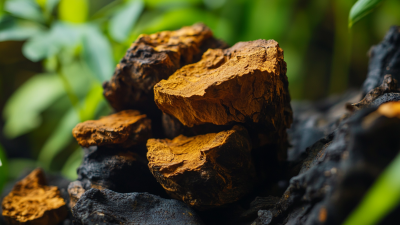
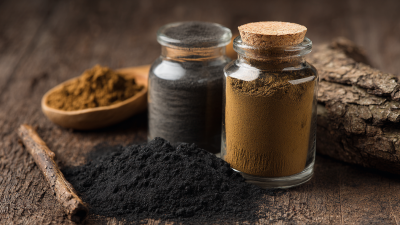
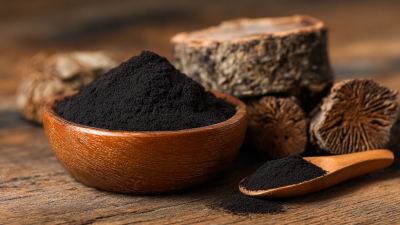
Visual assessments can be revealing as well. High-quality chaga should have a dark, rich color and a distinct texture. Take note of inconsistencies in color or odor. These characteristics could signal low-quality products or improper storage. Trust your instincts if something seems off; it’s better to be cautious when it comes to health supplements.

Chaga Extract Quality Evaluation

This bar chart illustrates the evaluation metrics for Chaga extract, including Quality Score, Purity Percentage, Antioxidant Activity, and Beta-D-glucan Content. These metrics are essential for determining the effectiveness and safety of Chaga products.

Best Practices for Cost-Effective Sourcing

Sourcing Chaga extract effectively requires a strategic approach that balances quality and cost. According to industry reports, the market for Chaga extract has grown by 15% annually. This growth reflects increasing consumer interest in natural remedies and health supplements. To remain competitive, businesses must refine their sourcing strategies.


Partnering with reliable suppliers is crucial. Vet suppliers by assessing their certification standards and production processes. Reliable suppliers often provide transparent data on their sourcing practices. Look for those using sustainable harvesting methods. Environmental responsibility is increasingly valued by consumers. A sustainable approach can enhance brand reputation and customer loyalty.


Cost-effectiveness can also come from bulk purchasing. Industry analysis shows that buying in larger quantities can save up to 25% per unit. However, this requires careful inventory management. Overstocking can lead to waste or degradation of extract quality. Balancing supply and demand is vital. Regular market analysis ensures that sourcing remains aligned with current trends and consumer preferences.

Navigating Regulatory Considerations in Sourcing Chaga

Navigating regulatory considerations when sourcing Chaga extract is crucial for any business. In the United States, the FDA classifies Chaga as a dietary supplement. This means that companies must ensure their products comply with Current Good Manufacturing Practices (CGMP). According to a 2022 report by the Council for Responsible Nutrition, around 75% of consumers are concerned about product safety and regulation. This highlights the importance of adhering to stringent regulatory frameworks.

Understanding the sourcing process is essential. For instance, sourcing Chaga from reputable suppliers can mitigate risks. A study published in the Journal of Ethnopharmacology revealed that not all Chaga products contain the claimed active compounds. Testing for quality and purity is necessary to maintain consumer trust. It's a reflection of reliability and expertise in the market.

Additionally, documentation plays a key role in compliance. Suppliers should provide Certificates of Analysis (COA) that confirm the product’s identity and composition. However, many small suppliers may lack proper documentation. This can lead to uncertainty in the quality of Chaga extract. Companies need to be vigilant and conduct their own quality assessments regularly. This is a complex landscape but offers opportunities for companies dedicated to high standards.

Botanical Extracts Manufacturing | Manfacture botanical extracts for supplements.