How to Find a Waterproof Surgical Bandage Supplier in China?
Finding a reliable waterproof surgical bandage supplier in China requires more than comparing prices and product photos. Hospitals, distributors, and medical brands need consistent protection, skin comfort, and dependable delivery. The search should focus on a verified Waterproof Surgical Bandages Manufacturer China with suitable production experience.
A practical evaluation begins with the bandage itself. Check the film’s clarity, adhesive strength, flexibility, and resistance to water exposure. Request samples in different sizes and test them on clean, dry skin under realistic movement. Does the edge lift after washing? Does the adhesive leave heavy residue? Small details matter. Ask twice.
Supplier verification should also include factory qualifications, quality systems, and traceable production records. Review ISO 13485 documentation, product testing reports, sterilization information, and packaging controls where applicable. Certifications should match the destination market and intended medical use. They are evidence, not automatic proof of quality. A factory audit, video inspection, or independent testing may reveal gaps that a polished website hides.
Communication is another practical test. Reliable suppliers explain materials, minimum order quantities, lead times, private-label options, and corrective procedures clearly. They should provide pre-production samples and confirm artwork before mass manufacturing. Be cautious when answers remain vague or change repeatedly. Even experienced buyers can overlook carton labeling or expiry information. A written specification reduces this risk.
The right supplier is not always the cheapest. It is the one that combines stable quality, transparent evidence, responsive service, and realistic production capacity. This article explains how to compare Chinese manufacturers and make a more confident sourcing decision.
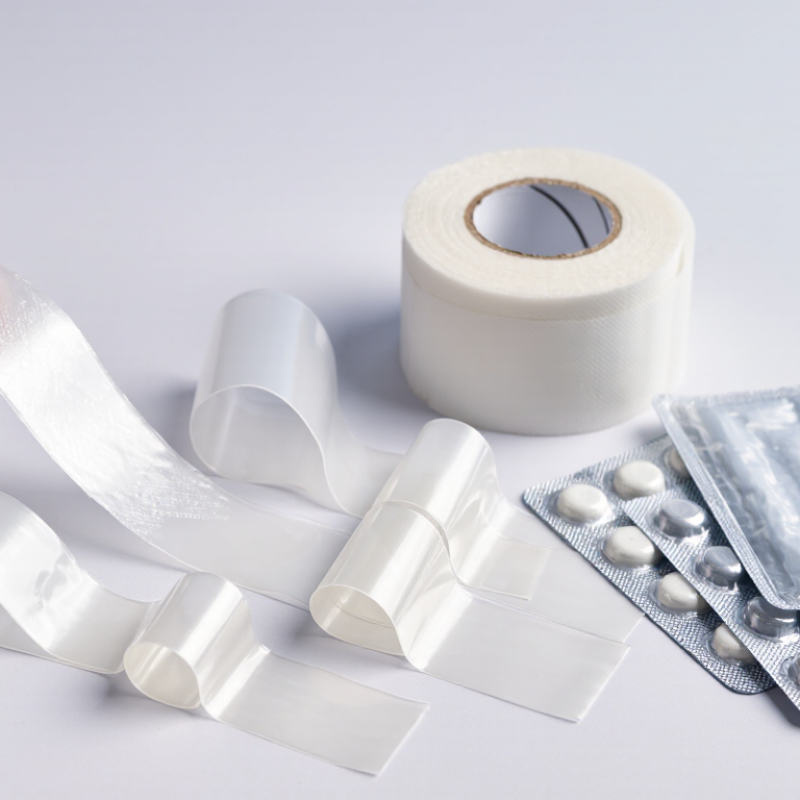
Define Your Waterproof Surgical Bandage Requirements
Before contacting a waterproof surgical bandage supplier in China, define the clinical use clearly. A bandage for shower protection differs from one used after abdominal surgery. Specify wound size, dressing dimensions, application area, and expected wear time. State whether the product must resist light splashes or continuous water exposure. “Waterproof” needs a measurable meaning.
Describe the construction in practical terms. Record the backing film thickness, adhesive type, absorbent pad size, and skin-contact material. Consider flexible film around joints, but check whether it wrinkles during movement. For sensitive skin, request low-irritation adhesive options and documented skin-compatibility testing. Sterility requirements, individual packaging, shelf life, and storage temperature should also appear in the specification. Small details matter.
I once treated a simple size chart as enough. It was not. The sample looked suitable, yet the adhesive lifted after repeated hand washing. A better supplier discussion includes test conditions, such as water duration, movement, temperature, and removal time. Request samples from different production batches when possible. Ask for material declarations, quality-control records, sterilization reports, and batch traceability documents. Confirm whether the factory can maintain the same performance during mass production. A clear acceptance checklist may include adhesion, leakage resistance, skin comfort, package integrity, and clean removal. Leave room for revision; real skin and real movement often expose weaknesses that laboratory notes miss.
Research China’s Medical Bandage Manufacturing Regions
How to Find a Waterproof Surgical Bandage Supplier in China?
Research China’s Medical Bandage Manufacturing Regions
China’s medical bandage production is concentrated in several practical manufacturing regions. Changyuan in Henan has a strong medical consumables cluster, including wound dressings, adhesive tapes, and disposable surgical products. Jiangsu, especially Nantong and surrounding cities, offers mature textile, nonwoven, coating, and converting supply chains. Zhejiang and Guangdong also support flexible packaging, adhesive materials, and export-oriented medical factories.
The China Association for Medical Devices Industry reported China’s medical device market at roughly RMB 1.3 trillion in 2023. This scale matters because regional depth can improve material sourcing and production stability. A factory near nonwoven and adhesive suppliers may respond faster to custom waterproof designs. However, a large cluster does not guarantee reliable quality. That assumption needs questioning.
I have found supplier evaluation more useful when it follows the product structure. Ask for peel-adhesion results, water-resistance testing, sterilization records, and batch traceability. ISO 13485 certification is helpful, but it is not a substitute for product verification. Grand View Research valued the global advanced wound care market at about USD 10.2 billion in 2023, reflecting growing demand for higher-performance dressings. Request recent test reports, not only certificates. Check whether the tested backing film matches the production material. Small differences matter. A supplier’s region can open the door, but documented process control decides whether the bandage belongs in your supply chain.
Verify Supplier Qualifications, Certifications, and Quality Systems
How to Find a Waterproof Surgical Bandage Supplier in China?
When evaluating a Chinese supplier, start with legal registration and medical device manufacturing qualifications. Confirm the company name, registered address, production scope, and license status through official records. The supplier should explain which bandage categories it can legally manufacture. A polished certificate file is not proof of current compliance. Check the certificate number, issuing body, validity period, and covered products. ISO 13485 is especially relevant for medical device quality management. ISO 9001 may support broader process control, but it does not replace medical device requirements.
Ask for controlled documents, not only marketing claims. Review batch records, incoming material checks, adhesive testing, packaging inspections, and traceability procedures. For waterproof surgical bandages, request test evidence for water resistance, peel strength, breathability, and skin compatibility. If sterilization applies, verify the validated method and packaging integrity. During a factory audit, observe clean areas, calibration labels, warehouse separation, and complaint handling. Small details matter. An organized showroom can still hide weak production controls. My own assessment would remain incomplete without sampling several batches.
Tips: Match every certificate to the exact product and factory location. Request recent test reports from accredited laboratories. Compare samples from different production dates. Ask how nonconforming products are isolated and investigated. A supplier that answers clearly, shares records, and accepts reasonable audits is easier to trust. Still, do not confuse cooperation with proven performance; independent verification remains necessary before purchase.
Evaluate Communication, Shipping, and After-Sales Support
How to Find a Waterproof Surgical Bandage Supplier in China?
Clear communication is the first practical test of a supplier. Ask whether the bandage remains secure during bathing, sweating, and normal movement. Request technical details about adhesive strength, film material, sterile packaging, and shelf life. A professional supplier should answer in specific terms, not vague promises. Send a simple product brief with dimensions, dressing type, carton markings, and target quantity. Then check whether the sales team repeats your requirements accurately. Small misunderstandings can become expensive production errors.
Ask for a sample before discussing large orders. Test it on clean, dry skin and observe edge lifting after several hours. Do not rely only on photographs. I once trusted a polished sample without checking its carton protection. Several boxes arrived with crushed corners. That mistake changed my inspection process. Confirm production lead time, loading dates, shipping documents, and the proposed trade terms in writing. Ask how the supplier handles moisture, temperature changes, and delays during transit. A realistic schedule is more valuable than an impressive promise.
After-sales support should be measurable. Request a named contact, response-time commitment, and procedure for investigating defects. The supplier should preserve batch records and provide replacement or corrective-action options when quality problems appear. Ask for inspection photos before shipment, especially for sterile products. Keep communication records and approve every artwork change carefully. Not every problem is the factory’s fault, but every serious supplier should help identify its cause. Weak support often becomes visible only after payment.