
A Freestanding Bratt Pan is a floor-standing commercial cooking appliance with a wide, heated pan and a tilting mechanism. Often called a tilting skillet, it lets kitchen staff cook large batches and transfer food with less lifting. Depending on its design, it may support braising, shallow frying, boiling, simmering, or poaching. A cook can brown diced onions, simmer a sauce, or prepare vegetables in the same vessel. That flexibility can save space and reduce the need to move food between pans.
It is not a magic shortcut. Cooking results still depend on the recipe, batch size, heat control, and staff experience. A pan filled too deeply may heat unevenly, while crowded kitchens need clear space for safe tipping and cleaning. Features also vary by model, so buyers should check capacity, heating type, controls, and installation requirements rather than assume every unit works alike. This guide explains what a Freestanding Bratt Pan is used for, which tasks suit it best, and how it compares with other commercial cooking equipment. It also considers practical limits, because a versatile appliance is not automatically the right choice for every kitchen. Understanding those details helps chefs and food-service managers judge whether it fits their menu, workflow, and available space.
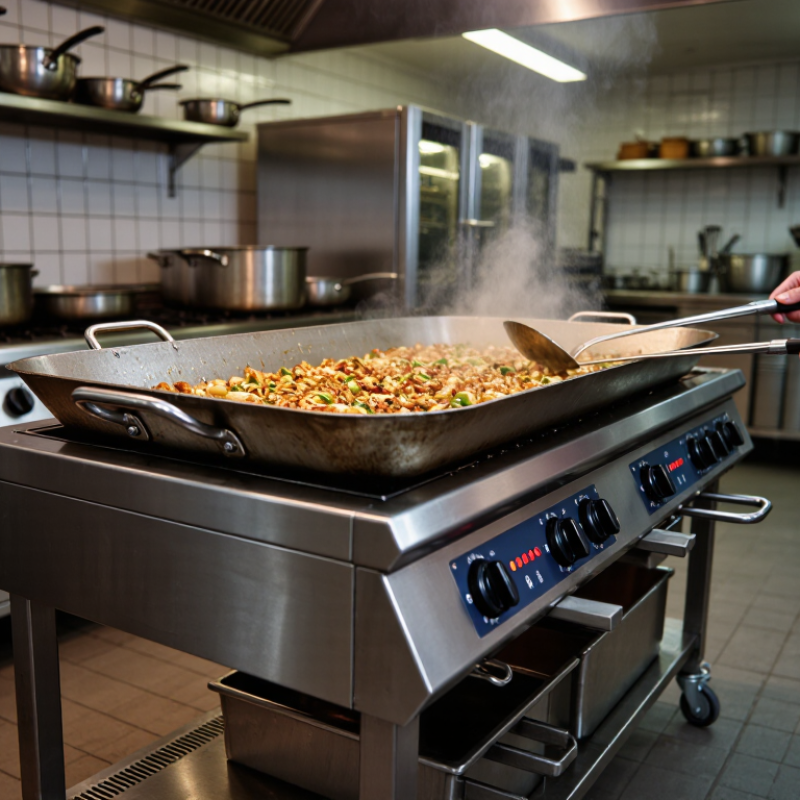
A freestanding bratt pan is a large, floor-standing cooking appliance designed for busy commercial kitchens. Its wide, shallow metal pan heats food across a broad surface, while sturdy legs support the unit at a practical working height. Many models have a hinged lid and a mechanism that tilts the pan for controlled draining or serving. It is not simply a deep fryer or an oversized frying pan. The key feature is its combination of a generous cooking area and built-in heating.
The pan may be used for browning meat, sautéing vegetables, simmering sauces, or preparing large batches of food. Its broad base makes it easier to cook ingredients in an even layer, though results still depend on stirring and heat control. That matters. A bratt pan can be gas-powered or electrically heated, and its controls and capacity vary by model. In a kitchen, it is typically installed where staff can reach it safely and clean around it.
Tips: Check the pan’s capacity, power supply, and tilting controls before choosing one. Leave room for the lid to open and for safe unloading. A detail that is easy to overlook: hot liquid can shift as the pan tilts, so staff need a clear, steady working area. It may take practice to judge the right batch size.

A freestanding bratt pan works like a large, heated cooking bowl mounted on a sturdy frame. The operator selects a temperature, and heating elements beneath the pan warm its broad metal surface. Food cooks directly in the pan, rather than in separate pots on a range. Some models also use a lid to retain heat and moisture.
The shallow shape makes it easier to stir ingredients across a wide area. A cook might soften onions, brown meat, then add stock without changing vessels. The controls regulate heat, but the food still needs attention; crowded batches can release moisture and brown unevenly.
Not instant, exactly.
When cooking is done, a hand-operated or powered mechanism tilts the pan forward. This lets the cook pour food into a serving tray or drain liquid into a suitable container. The movement is useful, but it takes practice: a full pan can be heavy, and hot liquid may splash.
Operators should follow the equipment instructions and keep the area beneath the pouring edge clear.
The pan’s size is helpful for batch cooking, though small portions may spread thinly and cook faster than expected. A little adjustment is normal.
What Is a Freestanding Bratt Pan Used For?
The Main Cooking Tasks It Performs
A freestanding bratt pan is a large, heated vessel designed for cooking substantial batches. Its wide base provides room to brown ingredients, while its deep sides help contain liquids and prevent splashing. Controls vary, but many models allow operators to adjust the heat and tilt the pan for draining or serving.
Browning is a common task. Cooks can sear diced meat, soften onions, or cook vegetables in a shallow layer of oil before adding liquid. The pan also handles braising: ingredients brown first, then simmer gently in stock or sauce under a lid. That matters. Its broad surface can help food cook evenly, though crowded ingredients may release moisture instead of browning.
A bratt pan can also simmer soups, boil pasta, steam vegetables with a suitable insert, and shallow-fry foods in batches. In busy kitchens, one vessel can move from sautéing to simmering without transferring everything to another pot. Batch size still needs judgment. Overfilling makes stirring harder and can slow cooking, so leaving room around the food is practical. The tilting mechanism can help empty the pan, but hot liquid needs a steady, controlled pour. Small details matter.
A bratt pan is a versatile commercial cooker used for searing, frying, braising, simmering and cooking large batches. The chart shows minimum safe internal temperatures for common foods prepared using these methods—not the pan’s temperature settings.
Food-safety targets: poultry 74°C; ground meat 71°C; fish 63°C; and whole cuts of beef or pork 63°C followed by a 3-minute rest. Based on USDA food-safety guidance.
Foods Commonly Prepared in a Bratt Pan
A freestanding bratt pan suits dishes cooked in large batches. Its wide, heated surface helps brown meat before liquid is added. Diced beef, chicken pieces, and sausages are common choices. They can be seared, then simmered with stock, tomatoes, or sauce until tender. For a hearty service, cooks often prepare stews, curries, and braised meat in the same pan. Fewer pots to wash.
The pan also handles vegetables, rice dishes, and sauces. Onions and root vegetables can soften in a little oil, while peas or chopped greens can be added near the end. Some kitchens use it for shallow-fried foods, such as fish portions or potato cakes, though delicate items need careful turning. Results can vary across the pan, so stirring and checking hot spots matters.
Tips: Avoid crowding the surface; food browns better in batches. Use a suitable utensil and check the manufacturer’s guidance for cleaning and temperature limits. It is useful, but not foolproof. Don’t leave a thick sauce unattended, since it may catch at the base.
| Food or Dish | Typical Preparation | Bratt Pan Cooking Method | Why It Suits a Bratt Pan |
|---|---|---|---|
| Stews and casseroles | Brown meat and vegetables, add liquid, then cook until tender. | Browning and braising | The broad heated surface allows ingredients to be browned before liquid is added for slower cooking. |
| Curries and sauces | Cook aromatics and spices, then simmer with vegetables, meat, or legumes. | Sautéing and simmering | The pan can handle both initial frying and the later, liquid-based cooking in one vessel. |
| Risotto and pilaf | Toast grains, add stock, and stir or simmer until the desired texture is reached. | Sautéing and simmering | Its large cooking area is useful for preparing substantial batches of grain dishes. |
| Fried rice and stir-fried dishes | Fry rice, vegetables, eggs, or cooked meat in batches. | Frying and sautéing | The wide, flat cooking surface provides room to spread and turn ingredients. |
| Pancakes and omelettes | Cook batter or egg mixtures on the hot surface and turn or fold as needed. | Griddling and shallow frying | The flat base is suited to foods that need direct contact with an evenly heated surface. |
| Meatballs and sausages | Brown the portions, then finish cooking in sauce or cooking liquid if required. | Frying and braising | Both browning and moist finishing can be carried out in the same pan. |
| Vegetables | Sauté, shallow-fry, braise, or cook in liquid, depending on the recipe. | Sautéing, frying, and braising | The cooking method can be adjusted to suit different vegetables and desired textures. |
| Pasta, rice, and other foods cooked in liquid | Bring water or stock to a boil, cook the food, and drain or remove it as appropriate. | Boiling and simmering | The pan’s deep vessel is suitable for batch cooking foods that require liquid. |
| Poached fish or eggs | Gently cook portions in water, stock, or another poaching liquid. | Poaching | Temperature-controlled liquid cooking helps prepare delicate foods without frying them. |
| Soup and stock | Combine ingredients and liquid, bring to temperature, and simmer. | Boiling and simmering | The deep pan accommodates liquid-based dishes and makes it practical to prepare large batches. |
Freestanding bratt pans are used in school kitchens, hospitals, care homes, hotels, and central production kitchens. Their wide, heated pans suit batch cooking: staff can brown meat, simmer sauces, braise vegetables, or prepare scrambled eggs in one vessel. At breakfast, steam rises from a pan of eggs; at lunch, the same unit may hold stew for a serving line. They are useful where menus change but meal volumes stay high.
School kitchens are a clear example. USDA data for fiscal year 2023 report about 4.6 billion lunches served through the National School Lunch Program. That scale helps explain why institutions need equipment for repeatable, high-volume cooking. A bratt pan can reduce transfers between separate pots and pans, though it still needs trained operators and careful temperature control. Bigger is not always better; limited floor space or small batches can make the unit awkward.
Tips: Match pan capacity to your busiest service, not an imagined peak. Check that the tilting mechanism and drainage fit your workflow. Leave room for safe loading and cleaning. A quick site check can prevent an expensive mismatch.
2025 Bio-Botanica, a division of Bio Answer Holdings Inc. All Rights Reserved.