
Blog

What Is Freeze Dried Cod and How Is It Made?

Freeze Dried Cod begins with a simple question: how can fresh fish remain light, stable, and useful without ordinary refrigeration? The answer combines careful seafood handling with low-temperature dehydration. According to the FAO’s The State of World Fisheries and Aquaculture 2024, global fisheries and aquaculture production reached approximately 185.4 million tonnes in 2022. That scale highlights the need for practical preservation methods that reduce waste while protecting food quality.

The process starts with inspected cod, usually cleaned and filleted soon after landing. Freshness matters. It affects aroma, texture, and the final rehydration result. The fillets are rapidly frozen, often forming small ice crystals that can damage less tissue. They then enter a vacuum chamber. Under reduced pressure, ice changes directly into vapor through sublimation. A second drying stage removes more tightly bound moisture. The result is a porous, shelf-stable product that can regain much of its original texture when soaked in water.

It is not magic.

The Codex Alimentarius Code of Practice for Fish and Fishery Products emphasizes sanitation, temperature control, traceability, and protection from contamination throughout processing. These controls support reliable Freeze Dried Cod, but quality still varies between manufacturers. Packaging also matters. Oxygen barriers, moisture protection, and proper sealing help prevent rancidity and texture loss. USDA FoodData Central shows that cod is naturally a lean source of protein, although nutrient values can change after processing and rehydration. Buyers should therefore check species, origin, processing conditions, storage instructions, and independent quality testing. Freeze drying preserves many useful characteristics, but it cannot restore fish that was poor-quality at the beginning.
What Is Freeze Dried Cod and How Is It Made?

What Is Freeze-Dried Cod?

What Is Freeze-Dried Cod?

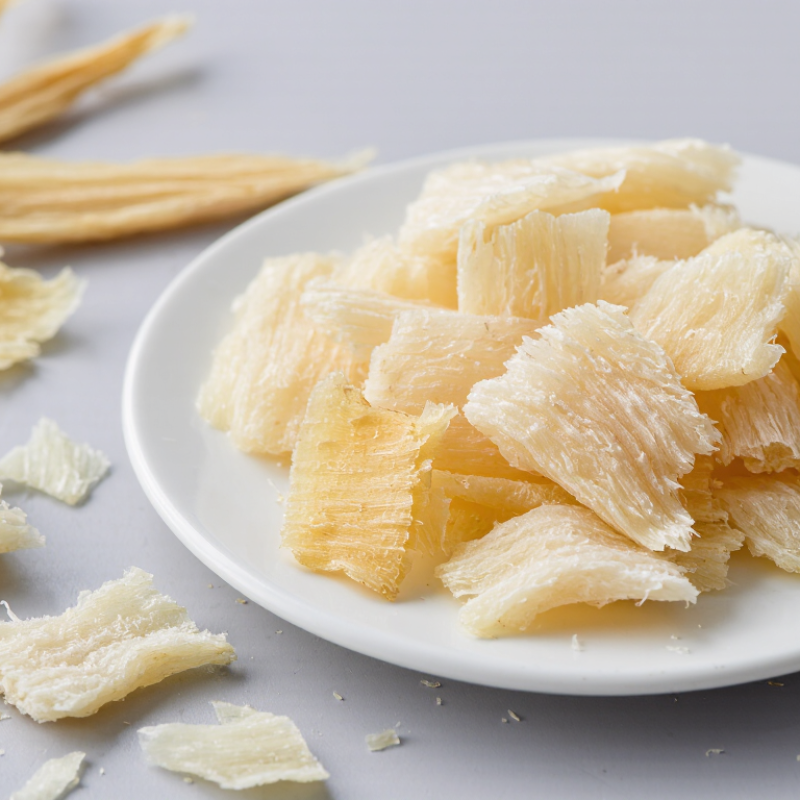
Freeze-dried cod is cod preserved by removing water at very low temperatures. The fish is cleaned, portioned, and frozen quickly. It then enters a vacuum chamber. Ice changes directly into vapor, rather than melting first. This process is called sublimation. The result is a light, dry piece with a porous texture. It can regain much of its original shape after rehydration. However, it is not fresh cod. Texture can become slightly firmer, especially after long storage.

The method suits cod because the fish is naturally lean. USDA FoodData Central lists raw Atlantic cod at about 17.8 grams of protein and 0.7 grams of fat per 100 grams. Removing water concentrates nutrients by weight, but serving sizes must be compared carefully.

The FAO’s State of World Fisheries and Aquaculture 2024 reported 185 million tonnes of aquatic animals produced globally in 2022. About 89% was used for human consumption, showing the continuing importance of stable seafood preservation.

Quality still depends on freezing speed, packaging, oxygen control, and storage temperature. A poorly sealed pouch can allow moisture back in. That mistake is easy to underestimate. Check the ingredient list, production date, and rehydration instructions before use.

Sources: USDA FoodData Central; FAO, The State of World Fisheries and Aquaculture 2024.

How Cod Is Prepared for Freeze-Drying

Cod becomes suitable for freeze-drying through careful preparation, not simply by placing fresh fish in a machine. Processors inspect firm, clean fillets and remove bones, skin, blood spots, and uneven edges. These details matter because thick sections dry more slowly. The fish is then cut into consistent portions, often no thicker than a few centimeters. Uniform pieces help moisture leave at a similar rate.

Cold matters here.

The portions are rapidly frozen, usually at very low temperatures, until the water inside becomes ice. They enter a freeze-drying chamber under strong vacuum conditions. Gentle heat encourages the ice to change directly into vapor, skipping the liquid stage. This process is called sublimation. It can preserve the cod’s structure, flavor, and nutrients better than ordinary hot-air drying. Technicians monitor pressure, temperature, and product weight throughout the cycle. If the heat rises too quickly, the surface may harden while moisture remains inside.

The process is controlled, but not flawless. Natural differences in fillet density can create uneven drying. A careful operator may extend the cycle or test the center of a piece before packaging. Once adequately dry, the cod is sealed in moisture-resistant packaging with minimal air exposure. Any trapped humidity can soften the texture and shorten storage life. I would not judge dryness by appearance alone; a crisp surface can hide a damp center. Reliable preparation depends on measured conditions, sanitation, and repeated testing rather than guesswork.

The Freeze-Drying Process Explained Step by Step

What Is Freeze Dried Cod and How Is It Made?

Freeze-dried cod begins with fresh, carefully inspected fillets. Workers remove bones, trim uneven edges, and cut the fish into consistent pieces. Uniform thickness matters because moisture must leave each piece evenly. The cod is then rapidly frozen at very low temperatures. This preserves its shape, color, and delicate protein structure.

The frozen fillets enter a sealed vacuum chamber. Pressure drops inside the chamber. Gentle heat then changes the ice directly into vapor, skipping the liquid stage. This step is called sublimation. It can take several hours, depending on thickness and water content. The fish must stay cold enough to protect its texture.

A second drying stage removes tightly held moisture. Sensors monitor temperature and pressure throughout the cycle. When drying is complete, the cod should feel light and crisp, not soft or oily. It is packed immediately in moisture-resistant material, often with oxygen control. Even a small packaging flaw can reduce shelf stability.

Rehydration reveals the process’s limits. The fish may regain a tender texture, but it will not perfectly match fresh cod. Water temperature, soaking time, and piece thickness all matter. Rushing this step can leave a dry center. The method is precise, but it is not magic.

Nutritional Qualities and Storage of Freeze-Dried Cod

What Is Freeze Dried Cod and How Is It Made?

Freeze-dried cod is fish frozen and placed in a low-pressure chamber. Ice then changes directly into vapor, leaving a light, dry fillet. This process removes moisture without the intense heat used in ordinary cooking. Much of the cod’s protein remains available, while the reduced weight makes nutrients appear more concentrated. The fish also keeps its original shape and a clean, mild flavor.

The nutritional value still depends on the raw cod and processing conditions. Freeze-drying may preserve some heat-sensitive nutrients better than high-temperature methods. However, it does not create extra protein or guarantee complete vitamin retention. Omega-3 fats can slowly oxidize when exposed to air, light, or warmth. Salt levels also vary, so the nutrition label deserves careful attention. That detail is easy to overlook.

Storage requires discipline. Keep the sealed package in a cool, dry, dark place. A moisture barrier matters because cod quickly becomes soft after absorbing humidity. Once opened, reseal it tightly and use clean, dry hands. Follow the stated storage period rather than guessing from appearance. For rehydration, soak small pieces in clean water and refrigerate them during the process. Discard fish with an unusual smell, damp spots, or damaged packaging. Freeze-drying reduces water, but it does not repair poor handling or make unsafe fish safe. I would also avoid treating texture as proof of quality; a crisp piece can still have storage problems.

What Is Freeze-Dried Cod and How Is It Made?

Freeze-drying removes water from cod by freezing it and then lowering the pressure so the ice changes directly into vapor. This preserves a lightweight, shelf-stable product while concentrating nutrients by weight.

Nutrition comparison per 100 g: Freeze-dried values are calculated from raw Atlantic cod data at approximately 5% final moisture. Actual values vary with species, processing, and residual moisture. Removing water does not create additional nutrients; it concentrates the nutrients already present.

Storage: Keep freeze-dried cod in an airtight, moisture-proof package away from heat and light. Once opened, reseal it promptly and follow the package guidance. Refrigeration may help after opening, while rehydrated cod should be treated as perishable seafood and kept cold.

Reference basis: USDA FoodData Central nutrient values for raw Atlantic cod. Freeze-dried estimates use a moisture-concentration calculation based on approximately 81% water in raw cod and 5% residual moisture after drying.

Common Uses and Rehydration Methods for Freeze-Dried Cod

Freeze-dried cod is light, shelf-stable, and easy to store. The process removes moisture from frozen cod under low pressure. This protects much of its flavor and protein while reducing weight. The fish becomes dry, crisp, and surprisingly delicate. Handle it gently, because thin pieces can crumble inside a bag.

Its common uses are practical. Add rehydrated cod to chowder, fish cakes, rice bowls, or vegetable soup. Crushed pieces can season noodles or savory porridge. Dry cod also works well for camping meals and emergency food storage. I like adding it near the end of cooking. This helps preserve its mild taste. Some cooks eat it dry, but the texture can be hard and salty.

Rehydration needs patience. Place the cod in clean, cool water for 10 to 20 minutes. Use enough water to cover every piece. For a softer result, soak it in the refrigerator for several hours. Warm water works faster, but boiling water may toughen the surface. Change the water if it becomes cloudy or strongly salty. After soaking, drain and gently press the fish with a clean towel. Cook it thoroughly before eating. I once rushed this step, and the center stayed chalky. The texture may never match fresh cod exactly. That small limitation is worth remembering when planning a recipe.

What Is Freeze Dried Cod and How Is It Made? - Common Uses and Rehydration Methods for Freeze-Dried Cod
Category Aspect Factual Details Practical Notes
Definition What freeze-dried cod is Cod that has had most of its water removed through sublimation, a process in which ice changes directly into water vapor under reduced pressure. The finished product is lightweight, dry, porous, and usually crisp or brittle until liquid is added.
Raw Material Typical fish used Common cod species include Atlantic cod and Pacific cod. The fish may be processed as fillets, pieces, flakes, or minced portions. Species, cut, cooking method, and original moisture level affect texture and drying time.
Preparation Cleaning and portioning The fish is inspected, trimmed, deboned, and cut into evenly sized portions. It may be cooked before drying when the product is intended to be eaten directly after rehydration. Uniform pieces help moisture leave the product more consistently.
Processing Pre-freezing Prepared cod is frozen solid, commonly at temperatures below 0°C. Commercial freeze-drying requires the water in the product to form ice before vacuum drying begins. Rapid and even freezing can help preserve the structure of the fish.
Processing Primary drying A vacuum is applied and controlled heat is introduced. The ice then sublimates directly into vapor without first becoming liquid water. This stage removes most of the product’s frozen water while limiting heat exposure.
Processing Secondary drying The product is gently warmed under vacuum to remove additional moisture that remains attached to the food structure. The goal is a stable, low-moisture product suitable for protected storage.
Food Properties Weight and volume Removing water substantially reduces weight, while the porous structure generally allows the fish to absorb liquid again. The final weight depends on the original portion size, cooking method, and amount of moisture removed.
Food Properties Nutritional characteristics Cod naturally provides high-quality protein and several micronutrients. Freeze-drying can preserve many nutrients, although nutrient retention varies with preparation and storage conditions. Freeze-drying does not make a food nutritionally identical to fresh cod in every respect.
Food Properties Flavor and texture The dry fish usually has a concentrated seafood flavor. Its texture may be crisp, airy, or porous before rehydration and softer after liquid is absorbed. Seasonings can taste stronger because water has been removed from the product.
Storage Protection from moisture Freeze-dried cod should be kept in moisture-resistant, airtight packaging. Oxygen absorbers may be used in suitable packaging systems, but they do not replace proper food processing. Moisture exposure can cause softening, loss of quality, and potential spoilage.
Storage Light and temperature A cool, dry, dark storage location helps protect flavor, color, and texture. Large temperature changes and direct sunlight should be avoided. Follow the storage instructions and use-by guidance supplied for the specific product.
Common Uses Soups and chowders Dry cod pieces or flakes can be added to soups, chowders, and stews where they can absorb broth during cooking. Add the fish early enough for it to soften, but avoid excessive cooking that can make it tough.
Common Uses Pasta, rice, and grain dishes Rehydrated cod can be mixed with pasta, rice, couscous, quinoa, or other cooked grains for a protein-rich meal. Use flavorful stock, sauce, or seasoned water to improve the finished taste.
Common Uses Sauces and fillings After rehydration, cod can be incorporated into fish cakes, croquettes, savory pastries, wraps, salads, and creamy or tomato-based sauces. Drain excess liquid before mixing the fish into fillings or dough-based recipes.
Common Uses Travel and emergency meals Its low weight and compact format make freeze-dried cod useful for camping meals, hiking food, emergency food supplies, and other situations where refrigeration is limited. Carry clean water and use packaging that protects the product from humidity.
Rehydration Hot-liquid method Place the cod in a heat-safe container, cover it with hot water or broth, and allow it to stand until the pieces become soft. Stirring once or twice can improve absorption. The required liquid and time depend on piece size and whether the cod was cooked before drying.
Rehydration Cold-liquid method Cover the cod with cold water or stock and refrigerate it until the fish has absorbed liquid and reached the desired texture. This method is gentler but generally takes longer than using hot liquid.
Rehydration Direct cooking method Dry cod can sometimes be added directly to a simmering soup, stew, sauce, or grain dish so that it rehydrates while cooking. Add enough cooking liquid and monitor the dish to prevent the fish from drying out.
Food Safety Pathogen control Freeze-drying removes water but does not reliably destroy all bacteria, viruses, parasites, or toxins. The product must be processed and handled as a seafood item. If the cod was not fully cooked before drying, cook it thoroughly before eating.
Food Safety After rehydration Once water is added, the fish becomes perishable and should be treated similarly to other moist seafood foods. Refrigerate promptly, avoid leaving it at room temperature, and use it within a safe period appropriate for the preparation.
Allergen Information Fish allergen Cod is a finfish and can trigger allergic reactions in people with fish allergies. Cross-contact may occur in shared processing or preparation environments. Check the applicable ingredient and allergen statement before serving.
Botanical Extracts Manufacturing | Manfacture botanical extracts for supplements.