What Is Glyphosate Herbicide Used For?
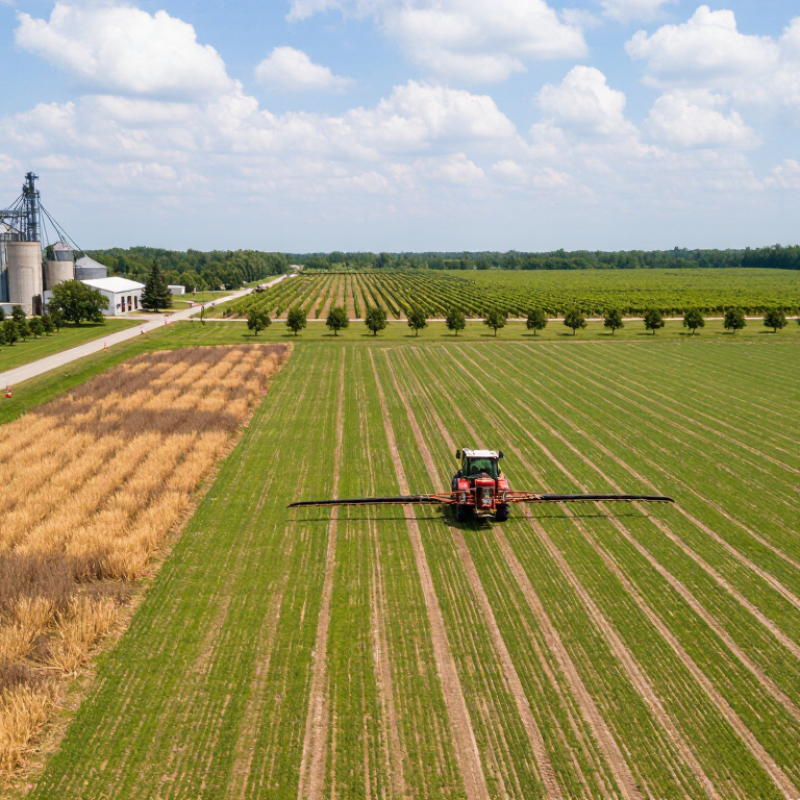
Glyphosate Herbicide is a systemic, broad-spectrum weed-control tool used in agriculture and other managed landscapes. It works by blocking an enzyme pathway plants need to produce essential compounds. Farmers commonly apply it before planting to clear existing weeds, or use it in crop systems designed to tolerate glyphosate. Uses around orchards, vineyards, roadsides, and industrial sites depend on the product label and local requirements.
The scale is striking. USGS pesticide-use assessments track glyphosate use across U.S. agriculture, while USDA crop-production surveys document herbicide practices by crop and year. Together, these reports help explain why glyphosate became a prominent tool: it can control many weed species and fits into several production systems. Yet widespread use alone does not prove that every application is effective, necessary, or low-risk. Weed resistance, application timing, nearby sensitive plants, and worker protections all matter.
Agricultural scientist Charles M. Benbrook wrote, “Glyphosate is the most widely used herbicide in the history of agriculture,” in a 2016 Environmental Sciences Europe review. His statement captures the product’s reach, not a complete judgment of its benefits or risks. That distinction deserves attention. For readers asking what Glyphosate Herbicide is used for, the practical answer is weed control; the responsible answer also asks where, why, and according to which label. USGS and USDA reports provide useful context, but they do not replace product-specific directions or current local guidance.
What Glyphosate Is and How It Works
Glyphosate is a systemic, broad-spectrum herbicide, usually absorbed through a weed’s green leaves. It moves within the plant toward active growing points, including young shoots and roots. There, it inhibits EPSPS, an enzyme in the shikimate pathway. Plants use this pathway to make aromatic amino acids needed for growth. The pathway is also found in some microorganisms, but not in animals. Glyphosate is classified as Group 9 by the Herbicide Resistance Action Committee. It is not simply a leaf-burning contact herbicide. Not instant.
The effect depends on uptake, plant growth, and conditions such as weather. A treated weed may remain green for days before symptoms become clear. That matters. USDA’s Economic Research Service reported that herbicide-tolerant varieties covered 94% of U.S. soybean acreage in 2018. This is a seed-adoption figure, not a measure of glyphosate use, so the distinction should not be blurred. In practical terms, growers use glyphosate to control many emerged weeds before or during crop production, where the crop and application method allow. Yet repeated reliance can favor resistant weed populations; the International Herbicide-Resistant Weed Database tracks documented cases worldwide. Real fields vary. Identifying the weed, checking its growth stage, and following the product label are essential to making a sound application decision.
Where Glyphosate Is Commonly Used
Where Glyphosate Is Commonly Used
Glyphosate is used to control unwanted plants in many agricultural settings. Farmers may apply it before planting, when weeds compete with young crops for water and sunlight. Some use it in orchards and vineyards to manage vegetation between rows. Its role varies by crop, timing, and product instructions. It is not suitable for every situation.
Outside crop fields, glyphosate may be used in managed areas such as roadsides, rail corridors, and some landscaped spaces. Home gardeners may encounter it in products intended for weed control. Applications can affect plants they contact, not just the weeds being targeted. Wind, nearby flowers, and drainage all deserve attention. Context matters.
Tips: Check the product label for approved uses, protective equipment, and application directions. Keep spray away from desirable plants, and avoid applying it in windy conditions. Read the label. Local guidance may differ, and a small mistake—such as treating weeds beside a vegetable bed—can have consequences. It is worth pausing to consider whether hand removal or another approach would work better.
Which Weeds Glyphosate Is Used to Control
Glyphosate is used to control many actively growing weeds, including both grasses and broadleaf plants. Common targets include crabgrass, foxtail, annual ryegrass, dandelion, plantain, and thistle. It can also suppress persistent perennials such as bindweed and some established grasses. Results depend on the weed’s size, growth stage, and condition. Small, healthy leaves often take up herbicide more effectively than dusty or drought-stressed foliage. Timing matters.
It is a nonselective herbicide. That means it can injure most green plants it contacts, not just weeds. A careless spray near garden plants, shrubs, or lawn edges can leave visible damage. Some perennial weeds may regrow from surviving roots, so one treatment may not give lasting control. That can be frustrating. Check the product label for listed weeds, application directions, and precautions; formulations and approved uses can differ. Avoid spraying in windy conditions, and keep the spray away from desirable plants and water.
How Glyphosate Is Applied in Different Settings
What Is Glyphosate Herbicide Used For?
How Glyphosate Is Applied in Different Settings
Glyphosate is a herbicide used to control many actively growing weeds. In crop fields, application methods depend on the crop and its growth stage. Farmers may treat fields before planting, or use carefully directed sprays where the crop can tolerate them. The goal is to reach weed leaves while limiting contact with desired plants. Small details matter. Wind, rain, and plant growth can affect results.
In gardens and other managed areas, people may apply it to unwanted vegetation along paths or around fences. Roadside and industrial maintenance crews may treat selected areas to manage weeds that obstruct access or visibility. Methods and permitted uses vary by product label and location. Avoid spraying near desirable plants, drains, or water, unless the label specifically allows that use. A patch may look easy to treat, but overspray can cause damage.
Tips: Read the entire label before mixing or applying. Wear the protective clothing it specifies, and avoid treatment on windy days. Keep people and pets away as directed. Use only the stated amount; more is not better. If weeds remain, reassess timing and conditions rather than automatically spraying again. It can be tempting to blame the product, though application conditions may be the real issue.
Factors That Affect Glyphosate Use and Effectiveness
What Is Glyphosate Herbicide Used For?
Factors That Affect Glyphosate Use and Effectiveness
Glyphosate is used to control many actively growing weeds in gardens, fields, and other managed areas. Its effectiveness depends on more than the amount applied. Weed species, growth stage, and leaf condition all matter. Young, healthy weeds often absorb and move the herbicide more effectively than mature plants. Dusty leaves or heavy rain soon after treatment can reduce performance. Timing matters.
Weather can change results. Cold, drought, or very hot conditions may slow weed growth and limit uptake. Wind can also carry spray onto nearby plants, so careful application helps prevent unintended damage. Follow the product label for weather limits, protective equipment, and any required interval before rain. Those directions vary. There is no single schedule that fits every situation.
Coverage is another factor: leaves need to receive the spray, but runoff is not the goal. Dense foliage can shield smaller weeds, while stressed plants may respond unevenly. Water quality and the specific formulation can also affect performance, so label guidance is more reliable than a guess. Repeated use may favor weeds that are less susceptible. That possibility is easy to overlook. If control is poor, check the weed’s identity, conditions, and application records before assuming that more herbicide will solve the problem.
What Is Glyphosate Herbicide Used For? Factors That Affect Its Use and Effectiveness
Glyphosate is a non-selective, post-emergence herbicide used to control many grasses and broadleaf weeds in agricultural and non-crop settings. Weed control depends on factors such as plant growth, spray coverage, and weather after application.
How to read this chart: U.S. EPA documents report soil half-life values ranging approximately from 2 to 197 days. This is environmental persistence—not a measure of weed-control effectiveness. Soil properties and conditions influence persistence; actively growing weeds, thorough coverage, and rain soon after application can affect control. Always follow the applicable product label.
Source: U.S. Environmental Protection Agency, glyphosate environmental-fate assessments. The reported range varies among studies and conditions.