
Blog

2026 How to Choose a Double Eccentric Butterfly Valve?

Choosing a double eccentric butterfly valve is a critical task in various industries. These valves offer unique advantages due to their design. They help reduce torque and wear. However, selecting the right one involves understanding several factors.

The performance of a double eccentric butterfly valve largely depends on the application. Consider pressure ratings, temperature limits, and flow characteristics. Each project presents unique challenges. Not every valve fits every need. Attention to specific requirements is essential.

Additionally, focusing on materials and construction is crucial. Some environments may demand higher corrosion resistance. Others require more robust designs. Failing to consider these details can lead to costly mistakes. In the end, making an informed decision can greatly enhance efficiency and durability.
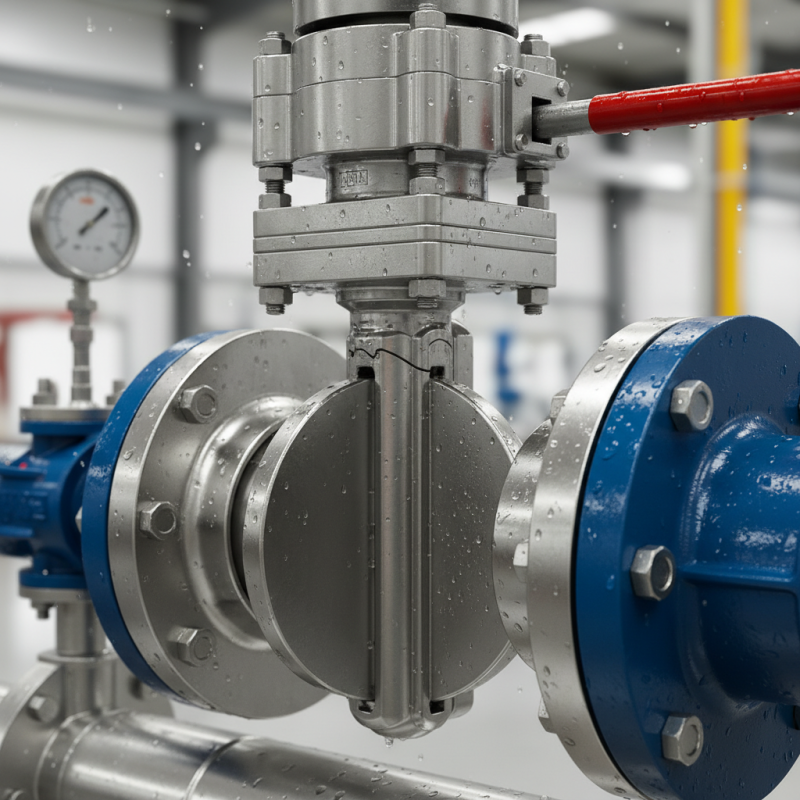
2026 How to Choose a Double Eccentric Butterfly Valve?

What is a Double Eccentric Butterfly Valve and Its Applications?

Double eccentric butterfly valves are vital in many industries. These valves offer significant advantages over traditional options. Their design allows for better sealing and reduced wear. This makes them ideal for high-pressure and high-temperature applications.

According to a recent industry report, the demand for double eccentric butterfly valves is expected to grow by 5% annually. Industries such as oil and gas, water treatment, and power generation are primary users. These sectors require reliable flow control solutions that minimize leaks. The double eccentric design aids in achieving this with its unique geometry.

Despite their benefits, some challenges exist. The installation process can be complex. Proper alignment is crucial for optimal performance. Users may find that maintenance requires more attention than expected. Understanding these nuances can help avoid costly downtime. Having a clear plan for regular checks is essential for a favorable outcome.

Key Factors to Consider When Choosing a Double Eccentric Butterfly Valve

When selecting a double eccentric butterfly valve, consider the application first. Different industries require specific materials. Think about the fluid type. Is it corrosive or high-temperature? This choice can affect valve longevity. Ensure the valve's body material matches the environment. For example, stainless steel suits corrosive liquids well.

Next, focus on the sizing. An incorrectly sized valve can lead to inefficiency. Measure the flow rate accurately. The valve's diameter must match the pipeline. A mismatch can cause pressure drops. Remember, testing specifications in real conditions is often overlooked. Review the pressure rating too. It should meet or exceed system demands. If unsure, consult with experts. They can provide insights on what works best.

Lastly, don't ignore installation ease. Simple installation saves time and cost. Check the design features that aid in this. Look for user-friendly mounting options. Some models have built-in alignment features. However, not all options are straightforward. Sometimes complex connections lead to installation issues. Evaluate your installation capacity realistically. Reflect on maintenance requirements too. A valve that’s hard to service may not be the best choice.

Material Selection for Double Eccentric Butterfly Valves: A Guide

When choosing materials for double eccentric butterfly valves, a few factors are crucial. The environment in which the valve operates can significantly affect its lifespan and performance. For example, acidic environments may require stainless steel or special alloys to prevent corrosion. In contrast, standard carbon steel might suffice in less aggressive settings.

Additionally, temperature plays a vital role in material selection. High-temperature applications may necessitate materials like graphite or certain polymer composites. It's essential to evaluate thermal expansion properties to avoid failures. Inadequate material choice can lead to leaks or functional issues.

Pressure ratings must also be considered. Some materials can withstand high pressure, while others cannot. Valves used in critical applications must be robust enough to handle extreme conditions. Picking the right material isn’t straightforward. There’s a need for a balanced approach, weighing costs against longevity and performance. This decision often requires introspection and thorough analysis.

Material Selection for Double Eccentric Butterfly Valves

Understanding Valve Sizing and Pressure Ratings for Optimal Performance

Choosing the right double eccentric butterfly valve involves understanding crucial factors. Valve sizing is essential for ensuring efficiency. Each system demands specific sizes based on flow requirements. Too small, and the valve cannot handle the necessary volume. Too large, and performance can be compromised.

Pressure ratings also play a significant role. Each valve is designed to withstand a particular pressure range. Operating outside these limits can lead to failures. It's vital to match the pressure rating with the system's needs. A mismatch can create risks.

Consider the media type as well. Different media can affect valve performance. Corrosive substances may require specialized materials. Regular assessment of your valves is important. Don’t overlook minor leaks or signs of wear. Trusting a valve blindly can lead to unexpected failures. Engaging with engineers during the selection process is wise. Their expertise might highlight areas for improvement.

2026 How to Choose a Double Eccentric Butterfly Valve?

Size (Inch) Pressure Rating (PSI) Material Temperature Range (°F)
2 150 Cast Iron -20 to 250
3 150 Stainless Steel -58 to 450
4 200 Carbon Steel -20 to 300
6 150 Ductile Iron -20 to 350
8 150 Bronze 0 to 400

Maintenance Tips for Ensuring Longevity of Double Eccentric Butterfly Valves

Maintaining double eccentric butterfly valves is crucial for their longevity. Regular inspections can help detect issues early. Look for signs of wear on the seals and butterfly plate. Any corrosion can indicate problems. Cleaning regularly prevents debris buildup that can hinder operation.

Lubrication is essential, but be cautious. Over-lubrication can attract dirt and grime, leading to further issues. A light coat is usually enough. Checking the actuator ensures consistent performance. If it’s not functioning properly, the valve may not close fully. This can cause leaks and waste.

Documenting maintenance activities is a smart practice. It helps you track issues over time. When something goes wrong, review your records. You might spot a pattern that could save time and effort later. Sometimes, the small details slip through the cracks, but they matter. Focusing on these aspects can make all the difference in valve longevity.

Botanical Extracts Manufacturing | Manfacture botanical extracts for supplements.