
Choosing Ceremonial Matcha Powder can feel confusing when every package promises vibrant color, authentic heritage, and exceptional quality. “Tea is a very personal thing,” says tea taster and author Kevin Gascoyne. His observation matters because matcha quality depends on both measurable features and individual taste.
Look for powder made from shade-grown tencha leaves, preferably from a named Japanese region. Uji, Nishio, Yame, and Shizuoka are widely recognized production areas. A fresh bowl should appear intensely green, not dull olive or brown. Its aroma may suggest spring grass, steamed vegetables, or gentle sweetness. The texture should feel extremely fine, almost like talcum powder, because properly ground leaves dissolve into a smooth suspension.
Taste matters more than dramatic packaging.
High-quality Ceremonial Matcha Powder usually offers umami, mild sweetness, and controlled bitterness. Harsh astringency can indicate age, poor storage, or unsuitable leaves, although personal preference still influences judgment. Check the harvest information, ingredient list, country of origin, milling details, and sealed packaging. A reputable seller should explain these points clearly and provide traceable batch information.
The word “ceremonial” is not a universal quality guarantee. It can be used loosely across international markets. That detail deserves attention. Compare evidence rather than trusting a bright label alone. After opening, store the powder airtight, away from sunlight, heat, moisture, and strong kitchen odors. Even excellent matcha loses freshness quickly when neglected. This guide will help you assess appearance, aroma, taste, origin, packaging, and value with greater confidence.
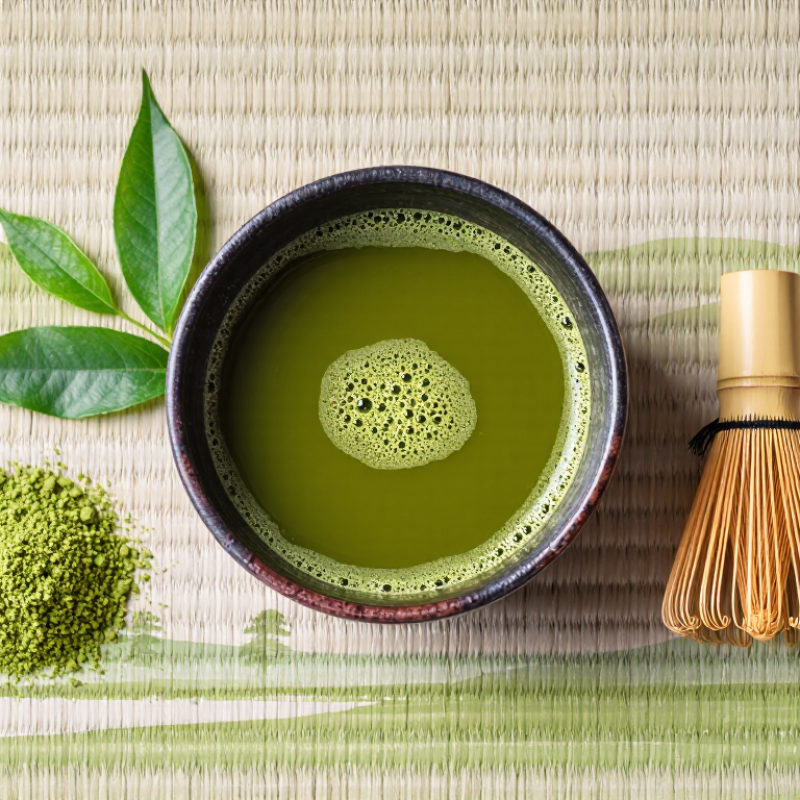
“Ceremonial” matcha sounds precise, but it has no universal legal definition. Unlike basic tea standards, international tea classifications do not formally define this grade. The term usually describes matcha intended for drinking with water, not mixing into desserts or lattes. Quality depends more on origin, harvest, processing, and storage than on the label alone.
According to Grand View Research, the global matcha market is projected to grow strongly through 2030, with premium products driving consumer interest. Yet market reports often use different definitions and datasets. Be cautious with impressive claims. A trustworthy seller should identify the growing region, harvest season, tea cultivar, and milling method. Look for tencha leaves that were shade-grown before steaming and stone-milled into a fine powder.
Check the color first. Good ceremonial matcha usually appears vivid green, not dull olive. Its aroma should suggest fresh grass, peas, or sea breeze. The texture should feel silky between your fingers. I once tasted a bright powder that seemed excellent, but its harsh bitterness revealed poor preparation. Water temperature matters. Around 70–80°C usually protects delicate sweetness better than boiling water. Independent testing for heavy metals, pesticides, and microbial safety adds reliability. Packaging also matters; light, heat, air, and moisture quickly weaken flavor. A small, opaque, well-sealed container is often a wiser choice than a large bargain pouch.

Checking its origin can reveal more than a country name. Matcha from Japan is usually made from shade-grown tencha, a tea leaf cultivated for grinding. Look for a clear region, harvest season, and production details on the package. Uji, Nishio, and Yame are recognized tea-growing areas, but location alone does not guarantee quality. Soil, weather, cultivar, and farmer skill also shape the final flavor. Ask for traceability information when available.
Harvest timing matters. Spring’s first harvest often produces a softer texture and deeper umami. Later harvests may taste stronger, more bitter, or less sweet. The leaves should be shaded before picking, commonly for several weeks. This process supports chlorophyll and amino acid development. Fresh matcha should look bright green, not dull olive. Color helps, but it is not proof.
Production deserves close attention. Tencha is steamed, dried, and stripped of stems and veins before careful stone milling. Slow milling protects the powder’s fine texture, although it can reduce production speed. Check the milling date, not only the best-before date. I once trusted a vivid color and ignored a stale aroma. That was a poor judgment. A clean, grassy scent and smooth foam offer better clues. Prepare a small serving with warm, not boiling, water. It should taste layered, without harsh bitterness overwhelming the finish.
Color is the quickest quality clue, but it is not proof. Look for a vivid, even green rather than yellow, grey, or brown tones. Chlorophyll creates matcha’s green appearance, while oxidation and age can weaken that brightness. Japan’s Ministry of Agriculture, Forestry and Fisheries reported tea export value at approximately ¥36 billion in 2023, showing strong international demand for carefully produced Japanese tea. Still, export value cannot replace sensory inspection. Use it as market context, not a quality guarantee.
Aroma should feel fresh, sweet, and gently marine, with notes of young grass or steamed greens. A flat, dusty, smoky, or cardboard-like smell suggests poor storage or age. Texture matters during whisking. High-grade powder should disperse smoothly, leaving few gritty particles on the tongue. A 2023 review in Foods linked matcha’s sensory profile with compounds including chlorophyll, amino acids, catechins, and volatile aromatics. These compounds vary with shade-growing, harvest timing, milling, and storage.
Taste should begin with umami, followed by mild sweetness and controlled bitterness. Harsh bitterness is not automatically a defect, but it demands attention. Try a small amount with warm, not boiling, water. Around 70–80°C helps preserve delicate aromas and reduces bitterness. This is practical guidance, not an absolute rule. My own evaluation can change with water hardness, dosage, and whisking technique. Even excellent matcha may taste different tomorrow. Check the production date, sealed packaging, powder color, and aroma together. One attractive feature is never enough.
Choosing ceremonial matcha starts with its intended use, not a decorative label. “Ceremonial” has no single global grading standard. Sellers may use it differently. Look for details about cultivar, harvest season, origin, milling, and testing. Higher-quality powder usually feels exceptionally fine and looks bright green. Its aroma should suggest fresh grass, peas, or gentle sweetness. Dull olive color or a stale, hay-like smell deserves caution. Taste a small amount if possible. Good matcha can be pleasantly bitter, but harsh bitterness may signal age or poor preparation.
Freshness often matters more than a premium-sounding grade. Ask for the harvest date and packing date, not only an expiry date. After opening, fresh matcha should whisk smoothly and form a fine foam. Clumps can indicate moisture exposure, though sieving also helps. I once trusted a vivid label and ignored a flat aroma. The tea tasted thin. That was a useful mistake. Keep opened powder sealed, cool, dark, and away from strong kitchen smells. Refrigeration can work, but condensation may damage the powder during opening.
Packaging protects quality before you taste it. Choose an opaque, airtight inner pouch or tin with a secure seal. Small packages are often wiser because matcha oxidizes after opening. Check for a lot number, storage guidance, and clear producer contact details. Avoid transparent jars under bright shop lights. They may look attractive. Light and air are not harmless. Packaging alone cannot prove excellence, and excellent matcha may still disappoint with boiling water. Use water around 70–80°C and adjust the amount gradually. My preference is less powder at first; too much can hide sweetness and exaggerate bitterness.
How to Choose Ceremonial Matcha Powder?
Choosing the right ceremonial matcha depends on how you plan to drink it. For traditional preparation, choose a powder that tastes balanced with water alone. Look for a vivid green color, a fine texture, and a fresh aroma resembling young grass or steamed spinach. The flavor should feel gently sweet, savory, and slightly bitter. It should not taste dusty or sharply metallic.
Check the harvest information, growing region, and milling method when available. Reliable sellers should explain how the tea was grown, processed, and packaged. Ceremonial matcha is not governed by one universal legal grade, so the word alone proves little. A sealed, light-resistant package helps protect its color and aroma. Once opened, store it tightly closed in a cool, dry place, away from sunlight and strong kitchen smells.
Your daily habits matter too. If you prefer lattes, a slightly stronger and more assertive matcha may work better. For quiet whisking, choose a smoother powder with delicate sweetness. I once chose a beautifully bright matcha that tasted too bitter for my palate. Color fooled me. Sample sizes can prevent expensive mistakes, especially when comparing harvests. If you are sensitive to caffeine, drink a smaller serving and observe your response. Personal preference still matters, even when expert tasting notes suggest otherwise.
| Selection Dimension | What to Look For | Why It Matters | Practical Buying Check |
|---|---|---|---|
| Color | Vibrant jade green to bright emerald green; avoid dull yellow-green, brown, or gray tones. | Bright color commonly indicates well-preserved chlorophyll and careful processing. Color alone, however, cannot prove quality. | Choose opaque, light-protective packaging and compare the powder under neutral daylight rather than strong colored lighting. |
| Aroma | Fresh, sweet, grassy, vegetal, or lightly seaweed-like aromas are typical. Avoid stale, smoky, musty, or heavily roasted smells. | A clean aroma suggests freshness and proper storage, while off-odors may indicate age, moisture exposure, or contamination. | If possible, smell a small amount before purchase. A sealed package should have a clear packaging date or lot information. |
| Flavor Balance | Look for umami, mild sweetness, gentle vegetal notes, and controlled bitterness or astringency. | High-quality matcha is intended to be whisked with water and enjoyed on its own, so balance is more important than simply having a strong flavor. | For traditional drinking, select a smooth and naturally sweet profile. If you prefer stronger flavors, moderate bitterness may be acceptable. |
| Texture | The powder should feel exceptionally fine and silky, with no visible coarse particles or gritty residue. | Fine particles disperse more easily and create a smoother mouthfeel when whisked. | Rub a tiny amount between clean fingertips, or whisk a small sample. Persistent grit is a warning sign for drinking-focused matcha. |
| Foam Performance | A fresh, finely milled powder should form a light layer of small bubbles when whisked correctly. | Foam is influenced by particle size, freshness, water temperature, whisking technique, and water quality; it is not a complete quality test. | Use approximately 70–80°C water and whisk briskly in a zigzag motion. Do not reject a powder solely because it produces limited foam. |
| Harvest and Milling Information | Prefer clear information about harvest season, processing, milling, and packing dates. | Matcha gradually loses freshness after milling because light, oxygen, heat, and moisture affect its color and aroma. | Choose the freshest practical product and avoid packages with no date or traceability information. |
| Packaging | Look for airtight, opaque, moisture-resistant packaging, preferably in a small container that can be closed securely. | Light and oxygen accelerate flavor and color degradation. Smaller packages reduce the time the powder remains open. | After opening, keep it tightly sealed in a cool, dark, dry place and use it promptly according to the package guidance. |
| Origin and Traceability | Choose products that identify the growing region, production method, and responsible processor or packer. | Traceability makes quality control, food-safety verification, and comparison between harvests easier. | Do not rely only on broad terms such as “premium” or “ceremonial”; look for specific, verifiable product information. |
| Intended Use | For drinking with water, prioritize sweetness, umami, smoothness, and low bitterness. For lattes or desserts, a more robust and assertive profile can work well. | Milk, sweeteners, and other ingredients can mask delicate flavors, so the best choice depends on how the matcha will be used. | Buy a smaller package first if you are unsure whether you prefer a delicate, balanced, or bold flavor profile. |
| Ingredients | The ingredient list should contain only powdered green tea leaves for pure matcha. | Added sugar, milk powder, flavorings, or fillers change the product and may not be suitable for traditional preparation. | Read the full ingredient list, especially for flavored, sweetened, or instant matcha beverages. |
| Caffeine Consideration | Matcha naturally contains caffeine because the powdered leaf is consumed whole. The amount varies by serving size and cultivation conditions. | Caffeine can support alertness, but sensitivity differs between individuals. Matcha also naturally contains L-theanine, although levels vary. | Check the serving size and consider your total daily caffeine intake. People who are pregnant, caffeine-sensitive, or taking certain medicines should seek appropriate professional advice. |
| Water and Preparation | Use fresh, low-mineral or moderately mineralized water at about 70–80°C; avoid boiling water. | Very hot water can intensify bitterness and reduce the perception of delicate sweetness. | Sift roughly 1–2 grams of matcha, add about 60–70 milliliters of water, and whisk until smooth. Adjust the ratio to taste. |
| Quality Claims | Treat terms such as “ceremonial,” “premium,” and “first harvest” as useful descriptions rather than guaranteed quality standards. | “Ceremonial grade” is not a universally regulated international classification, so the term can be used inconsistently. | Evaluate objective details such as color, aroma, texture, freshness, origin, packaging, ingredients, and independent testing information. |
2025 Bio-Botanica, a division of Bio Answer Holdings Inc. All Rights Reserved.