How to Choose Vitamins to Boost Your Immune System?
Choosing Vitamins To Boost Immune System support requires more than following a colorful label. The best choice begins with your diet, health history, and confirmed nutritional needs. Dr. Anthony Fauci has stated, “There is no magic pill or supplement that can boost your immune system.” That warning deserves attention. Supplements may help correct deficiencies, but they cannot replace sleep, vaccination, balanced meals, or medical care.
Look for products with transparent labels and sensible doses. Vitamin D, vitamin C, vitamin A, zinc, and vitamin B12 may support normal immune function when intake is inadequate. However, more is not always better. Excess vitamin A can harm the liver, while too much zinc may reduce copper absorption. A pharmacist or registered dietitian can check possible interactions, especially if you take blood thinners or thyroid medicine. Small details matter. A glass of water, a full meal, and the correct timing can affect tolerance.
Your own experience should guide the next step, but it should not replace evidence. Frequent infections might reflect poor sleep, stress, allergies, or an underlying condition. I might want a quick supplement after every cold. That instinct is understandable, yet it can lead to unnecessary spending. Compare third-party testing, dosage, and ingredient forms before buying. Be cautious with dramatic promises. A trustworthy product explains what it contains and what research actually supports. If blood tests show a deficiency, targeted supplementation makes more sense than a broad “immune booster.” The strongest plan is usually quieter, slower, and more personal.
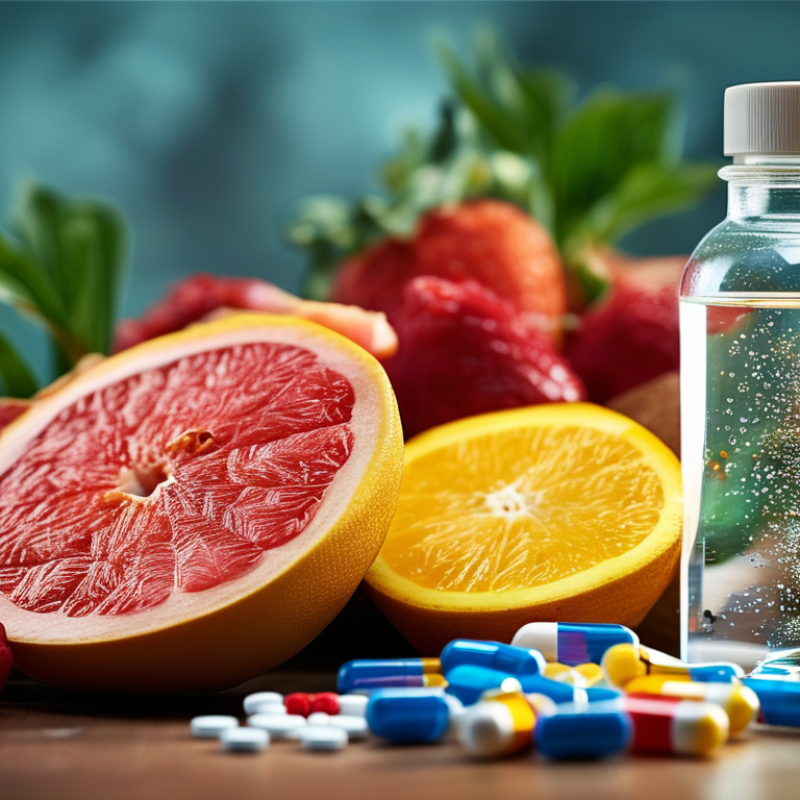
Understanding the Role of Vitamins in Immune System Health
Vitamins support immune system health, but they do not create instant protection. Immune cells need steady nutrition to develop, communicate, and repair tissue. Vitamin A helps maintain the skin and respiratory lining, which form physical barriers against germs. Vitamin C supports antioxidant defenses and normal immune-cell activity. Vitamin D influences immune signaling, while vitamin E protects cells from oxidative damage. B vitamins also help maintain energy production and healthy blood cells.
Choosing a supplement should begin with your diet, health history, and possible deficiency risk. Colorful vegetables, fruit, beans, eggs, fish, dairy foods, and whole grains provide varied nutrients. Vitamin D may need special attention when sunlight exposure is limited, but a blood test can guide safer decisions. Vitamin C supplements may slightly shorten some colds, yet they do not prevent every infection. More is not always better. High doses of vitamins A, D, or E can cause harm.
A healthcare professional can review laboratory results, medications, pregnancy status, and digestive conditions before recommending a product. This matters because supplements can interact with treatment or hide an underlying problem. Check the serving size and avoid combining several products with the same vitamin. It is tempting to believe a stronger formula works better. That assumption deserves questioning, especially when balanced meals are already meeting nutritional needs.
Identifying Vitamins Commonly Linked to Immune Support
How to Choose Vitamins to Boost Your Immune System?
Identifying Vitamins Commonly Linked to Immune Support
Choosing an immune-support supplement starts with a practical question: which nutrient might be missing? Vitamin D helps regulate immune responses and is often discussed when sunlight exposure is limited. Vitamin C supports antioxidant defenses and normal immune-cell function. Vitamin A helps maintain healthy skin and mucous membranes, which form important physical barriers. Vitamin B12 supports blood-cell production and normal cellular activity. These nutrients matter, but more is not always better.
A varied diet usually provides useful amounts through vegetables, fruit, eggs, fish, dairy foods, beans, and fortified products. In practice, a clinician may review your diet, symptoms, medications, and medical history before suggesting supplements. A blood test can help identify certain deficiencies, especially for vitamin D or B12. Guessing is less reliable. I once viewed “immune support” as a single nutrition problem, but that idea is too simple.
Check the serving size and the percentage of the daily value. Avoid products promising instant protection from infections. High doses of vitamin A or vitamin D can cause harm, while excessive vitamin C may upset the stomach. Supplements can also interact with medicines or complicate existing conditions. Pregnant people, children, older adults, and people with kidney or liver disease need more careful guidance. Look for clear ingredient lists and independent quality testing. Still, testing standards vary, so a certificate does not prove personal effectiveness.
Assessing Your Personal Nutritional Needs and Risk Factors
Choosing vitamins should begin with your nutritional needs, not a colorful label. A varied diet often provides enough vitamin C, vitamin A, and folate for healthy adults. However, needs can change with age, pregnancy, restricted diets, or digestive conditions. A vegan diet may require careful attention to vitamin B12. Limited sunlight may also affect vitamin D status.
Look at personal risk factors before buying supplements. Ask whether you eat regularly, absorb nutrients normally, or take medicines that affect vitamin levels. Kidney disease, liver disease, and some gastrointestinal disorders need professional guidance. Older adults may face reduced appetite or absorption. Smokers and people under prolonged stress may also have different health concerns, but extra vitamins are not automatic solutions.
Start with a food diary for three ordinary days. Note skipped meals, fortified foods, and recurring symptoms such as fatigue or mouth sores. Blood testing can confirm certain deficiencies more reliably than symptoms alone. A clinician or registered dietitian can interpret results and review possible interactions. High doses may harm the liver, kidneys, or nervous system. More is not always better.
I once assumed “immune support” meant taking several vitamins together. That assumption was too simple. Needs are individual. No checklist is perfect. Reassess after major diet changes, pregnancy, illness, or new medication, and avoid treating supplements as replacements for sleep, vaccination, or medical care.
Choosing Safe, Reliable, and Appropriate Vitamin Supplements
Choosing vitamins for immune support requires more than picking the largest dose. A supplement should match your age, diet, health history, and possible deficiencies. Vitamin D, vitamin C, and zinc may support normal immune function, but they are not guaranteed protection against infection. More is not better.
Read the label carefully. Check the exact nutrient amount, serving size, expiry date, allergens, and storage instructions. Prefer products with transparent testing from an independent laboratory. Clear contact information and a complete ingredient list also show responsible manufacturing. Avoid dramatic promises, such as cures illness
or works instantly.
Those claims deserve skepticism.
A pharmacist or doctor can help review your medicines and medical conditions. This matters during pregnancy, kidney disease, or long-term treatment. Excess vitamin A, D, or zinc can cause harm, especially when several products overlap. Keep a simple list of everything you take. It prevents accidental double dosing.
Small details matter. A sealed bottle is reassuring. A missing batch number is not. Choose a dose supported by reputable health authorities, rather than an influencer’s routine. I used to assume a higher-strength product offered better value. That assumption was too simple. Sometimes, food, sleep, vaccination, and hand hygiene do more for daily immune health than another capsule.
Using Vitamins Responsibly Alongside a Balanced Lifestyle
Choosing vitamins for immunity starts with identifying a real nutritional gap, not chasing a stronger promise. Vitamin C, D, A, B6, B12, folate, zinc, and selenium support normal immune function when intake is inadequate. They do not make an already healthy immune system invincible. A clinician or registered dietitian can review your diet, medicines, symptoms, and relevant blood tests. This step matters because fatigue is not automatically a vitamin deficiency.
Food should remain the foundation: colorful vegetables, fruit, beans, whole grains, eggs, fish, or other protein sources. Regular meals make supplement choices easier. Sleep also matters, even when it feels less exciting than a new bottle. Aim for consistent movement, hand hygiene, stress management, and recommended vaccinations. These habits work together, although none works perfectly every day. That is the part I sometimes underestimate.
If a supplement is appropriate, follow the label and professional guidance. Avoid stacking several products with the same nutrient. High doses can cause harm, especially with vitamins A and D, iron, and zinc. Some supplements also interfere with medicines or medical conditions. Choose clear ingredient lists and independent quality testing when available. I would question dramatic claims, including “natural” promises. More is not better. A reasonable plan may begin with food, confirm a need, and reassess after a defined period.
How to Choose Vitamins to Boost Your Immune System?
Using Vitamins Responsibly Alongside a Balanced Lifestyle
Vitamin C contributes to normal immune function and can be obtained from a varied diet. The chart shows approximate vitamin C content in common foods per 100 grams, based on USDA FoodData Central reference values. The FDA Daily Value for vitamin C is 90 mg for adults. Supplements should not replace a balanced diet, adequate sleep, regular physical activity, and appropriate medical advice.