
Animal studies play a crucial role in advancing medical research. They provide insights into biological processes and disease mechanisms. Recent studies have highlighted significant findings that influence human health.
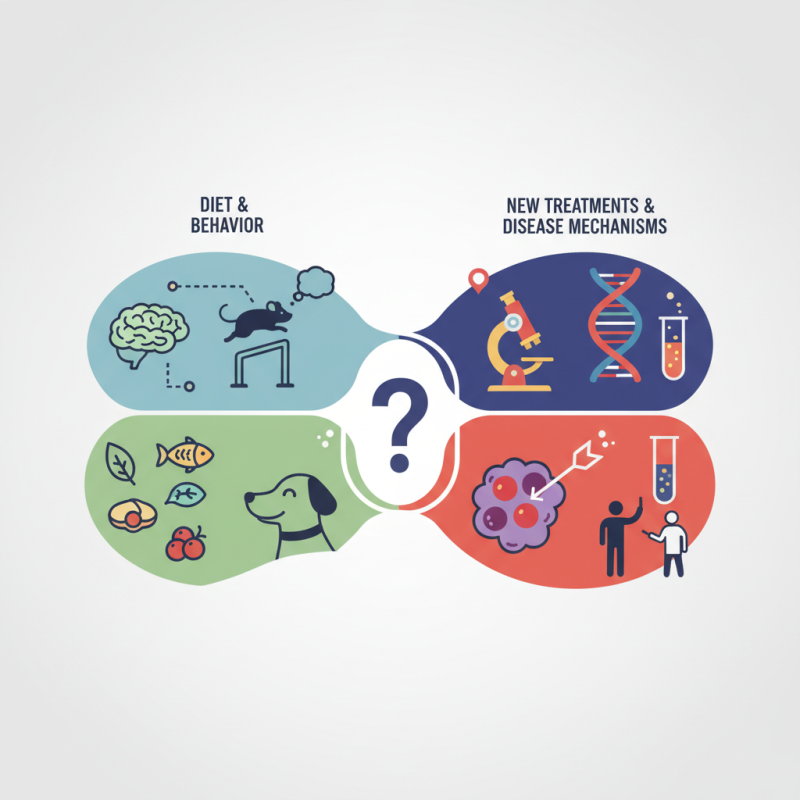
One key area of focus is the impact of diet on animal behavior. Researchers observed changes in activity levels and mood in animals after dietary adjustments. These studies might suggest similar effects in humans, yet the translation of findings remains complex.
Another interesting discovery involves the use of animal models to test new treatments. These studies have led to breakthroughs in understanding diseases like cancer. However, the relevance of animal models to human conditions often invites scrutiny. Validating these findings continues to challenge researchers.
Recent animal studies offer intriguing insights into behavior modifications when subjected to stress. Researchers have found that stress can significantly alter how animals interact with their environment. For instance, rodents exposed to chronic stress exhibited increased anxiety-related behaviors, such as reduced exploration in new settings. This finding aligns with data from the National Institute of Mental Health, indicating that similar behavioral changes are observed in humans during stressful periods.
Additionally, studies focusing on social animals, like monkeys and dogs, revealed that they can develop social withdrawal. These subjects often display diminished interest in social interactions. A report by the American Psychological Association notes that social isolation due to stress can lead to long-term behavioral changes. It's essential to reflect on the implications of these findings, especially regarding social species that rely heavily on group cohesion for survival.
However, not all responses to stress are negative. Some animals show resilience and may adapt positively. For example, certain birds have been known to become more resourceful under stress. These adaptations can drive innovation in survival strategies, but they also raise questions about the long-term effects of stress exposure. Understanding these complexities in animal behavior invites further research into how stress influences mammals beyond immediate reactions.

Recent animal studies reveal significant insights into how diet shapes the gut microbiome, influencing overall health in animal models. A 2023 report highlighted that a diet rich in fiber enhances microbial diversity. This diversity is critical for maintaining a robust immune system. For instance, when mice were fed high-fiber diets, researchers observed a marked increase in beneficial bacteria. In contrast, low-fiber diets reduced microbial richness, leading to weakened immune responses.
The gut microbiome is not just a passive participant. It actively affects metabolism and nutrition absorption. Studies indicate that specific probiotics can improve gut health in dogs and cats, helping them digest food better. However, not all animals respond positively to the same dietary changes. Individual variations exist, raising questions about the one-size-fits-all approach. In some cases, altering an animal's diet may trigger gastrointestinal distress, pointing to the need for personalized nutrition strategies.
These findings compel us to rethink dietary recommendations for animals. It is clear that nutrition plays a pivotal role in gut health, but the complexity of interactions within the microbiome remains a mystery. Understanding these dynamics better could lead to more effective dietary formulations that promote animal well-being.
Recent animal studies have provided compelling evidence on the neuroprotective effects of exercise. Specifically, rodent models have shown significant improvements in brain health after engaging in regular physical activity. These studies highlight that exercise may reduce the risk of neurodegenerative diseases. It is fascinating to see how simple activities can foster resilience in the brain.
Interestingly, the benefits were observed across various types of exercises. Both aerobic activities and resistance training enabled positive changes in brain function. Rodent subjects exhibited enhanced learning and memory capabilities, showcasing a direct link between physical health and cognitive performance. However, some studies raise questions about the optimal duration and intensity of exercise.
These findings encourage further exploration into exercise’s impact on the brain. The variability in results suggests that more controlled experiments are necessary. Researchers need to examine how factors like age and genetic background affect outcomes. It's clear that while exercise shows promise, a one-size-fits-all approach to training may not hold true. Understanding these nuances will be essential in applying this knowledge to human health.
Recent advancements in gene editing have significantly impacted animal research. Technologies like CRISPR have enabled precise alterations in animal genomes. A study from the National Institutes of Health noted that over 80% of researchers are now using gene editing techniques in their studies. This shift has accelerated discoveries, particularly in understanding genetic diseases.
However, these advancements are not without ethical considerations. Many experts argue that gene editing poses risks of unintended consequences. For instance, modifying one gene could affect multiple traits. A report from the International Society for Stem Cell Research highlighted the need for strict guidelines to ensure animal welfare. Researchers must balance innovation with responsibility. The discussion around animal rights versus scientific efficiency continues to evolve.
In the pursuit of knowledge, a cautious approach is necessary. The potential benefits of gene editing are immense. Yet, we must think critically about how these technologies reshape the future of animal research. Engaging in open dialogue with ethicists and the public is essential for responsible progress. These conversations will help navigate the complex landscape of scientific exploration.
Animal testing plays a crucial role in evaluating new pharmaceutical compounds. Researchers use animals to understand how drugs affect biological systems. This testing helps predict how the drug will function in humans, providing essential data for safety and efficacy.
In recent studies, findings indicate that certain compounds show promise in treating diseases. For instance, researchers observed improved outcomes in diabetic rats treated with a new drug. However, results can vary significantly between species. It's vital to remain cautious when translating these findings to humans.
Tips: When designing animal studies, focus on using appropriate species. This can enhance the relevance of results. Small sample sizes might lead to misleading outcomes. Always consider the ethical implications of animal testing. Researchers must maintain a balance between scientific advancement and humane treatment. This area requires ongoing reflection and improvement.
| Study Name | Year | Animal Model | Pharmaceutical Compound | Key Findings |
|---|---|---|---|---|
| Study A | 2021 | Mouse | Compound X | Significant reduction in tumor size. |
| Study B | 2020 | Rat | Compound Y | Observed improvement in heart function. |
| Study C | 2021 | Guinea Pig | Compound Z | Reduced inflammatory markers significantly. |
| Study D | 2022 | Dog | Compound W | Showed positive results in pain management. |
2025 Bio-Botanica, a division of Bio Answer Holdings Inc. All Rights Reserved.