Sodium Humate has emerged as a crucial product for various industries worldwide. Its unique properties make it beneficial in agriculture, wastewater treatment, and soil enhancement. According to recent reports, the global Sodium Humate market is expected to reach USD 250 million by 2025, highlighting its growing importance.
In agriculture, Sodium Humate acts as a natural soil conditioner. It enhances nutrient absorption and improves soil structure. Studies show that its application can increase crop yields by up to 20%. This benefit is particularly valuable as global food demand rises. Manufacturers and farmers are increasingly recognizing its potential to combat soil degradation.
However, the industry is not without challenges. There are concerns about the consistency and purity of Sodium Humate products. Ensuring quality from suppliers remains a critical issue. Buyers must navigate these complexities while seeking reliable sources. This article delves into the multifaceted benefits of Sodium Humate, exploring both its advantages and the hurdles faced by global buyers.
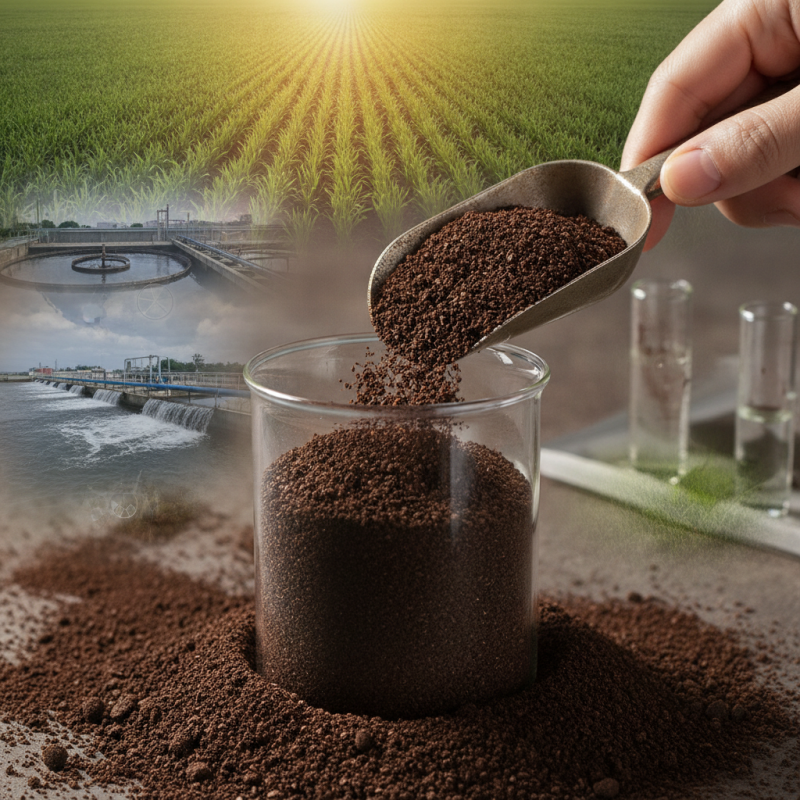
Sodium humate is a fascinating compound derived from the humification process of organic matter. It is primarily composed of humic acids, fulvic acids, and various minerals. This complex structure makes it a valuable resource in agriculture and environmental applications. Originating from lignite or natural humic substances, it is abundant in soil, making it an eco-friendly choice for global buyers.
The composition of sodium humate enables it to enhance soil health significantly. It improves nutrient retention and increases water holding capacity. Farmers have noted that crops treated with sodium humate show better growth and resilience. However, buyers should be cautious about sourcing. Not all products deliver the same benefits, as quality can vary widely. Understanding the origins and methods of extraction is crucial in ensuring reliability.
Many suppliers claim effectiveness, but buyers must do their research. Some products may contain impurities or insufficient active ingredients. It’s essential to demand certificates of analysis and quality assurance documentation. Knowing the source and production methods can help prevent potential pitfalls. Familiarizing oneself with sodium humate's properties and uses ensures informed decisions for sustainable practices.
Sodium humate has gained attention for its numerous benefits in agriculture. Research shows that this organic compound enhances soil health. It improves water retention and nutrient absorption. According to a study published in the Journal of Soil Science, sodium humate can increase crop yield by up to 25%. This is significant for farmers aiming to maximize their productivity.
Additionally, sodium humate acts as a natural chelator. It binds with essential nutrients, making them more available to plants. Studies reveal that it can reduce the need for chemical fertilizers by as much as 30%. This not only cuts costs but also benefits the environment. Sustainable farming practices are critical today. Yet, some farmers are still hesitant to adopt organic amendments despite these advantages.
Moreover, sodium humate improves soil structure. This organic material enhances microbial activity and promotes a thriving ecosystem. However, challenges remain. Some users report mixed results, suggesting the necessity for tailored applications. Understanding the specific soil composition is vital. Not every scenario benefits equally from sodium humate. Careful consideration and experimentation can lead to the best outcomes in agricultural applications.
Sodium humate is an important organic compound used in agriculture. It greatly influences soil health. Studies show that using sodium humate can enhance soil fertility. It improves nutrient retention. This promotes better crop growth and yield.
A report by the International Fertilizer Association notes that sodium humate can increase crop yields by 10-30%. It helps in binding nutrients in the soil. This means plants can access nutrients more easily. The organic matter in sodium humate also improves soil aeration. This encourages beneficial microbial activity in the soil.
However, not all applications yield positive results. Soil types vary significantly across regions. The effectiveness of sodium humate can depend on these differences. Farmers should consider these factors carefully before use. Understanding local soil health is crucial for optimal benefits. Making informed decisions can lead to better harvests.
Sodium humate has gained attention for its positive environmental impact. This natural product is derived from lignite, a type of coal, making it a sustainable option for soil enhancement. When used in agriculture, sodium humate improves soil structure and enhances water retention. Improved soil health leads to reduced need for chemical fertilizers. This shift can lower production costs for farmers.
The sustainability of sodium humate lies in its ability to promote biodiverse ecosystems. It encourages beneficial microbes in the soil. These microbes play a crucial role in nutrient cycling. However, the overuse of sodium humate can lead to soil imbalances. Sustainable practices must be prioritized in its application. Finding the right dosage is essential to avoid potential soil degradation.
Research indicates that sodium humate can help in carbon sequestration. Its use in land management initiatives shows promise for climate resilience. However, the effectiveness varies based on local conditions. Continuous evaluation is needed to understand its broader ecological impacts. Balancing its benefits with careful usage is vital for sustainable agriculture.
When sourcing sodium humate, global buyers must prioritize quality. Not all suppliers offer the same standard. Assessing quality starts with understanding the product's origin. Ideally, suppliers should provide detailed information about raw materials and their processing methods. Transparency here is crucial; it builds trust and minimizes risks.
Buyers should also consider certification. Verified products often meet higher safety and efficacy standards. However, certification alone is not enough. Engaging with suppliers directly can provide insights into their production practices. Asking about testing methods and quality control processes is essential. This helps you gauge their commitment to excellence.
Price can be tempting, but it shouldn’t be the only factor. A low price usually indicates compromised quality. Look for a balance between cost and reliability. Sometimes, a more expensive option may save costs in the long term by reducing waste and increasing effectiveness. Taking time to evaluate and reflect on these aspects ensures that your sourcing decisions align with your needs and quality standards.
2025 Bio-Botanica, a division of Bio Answer Holdings Inc. All Rights Reserved.