How to Source Fresh Peeled Garlic in 2026?
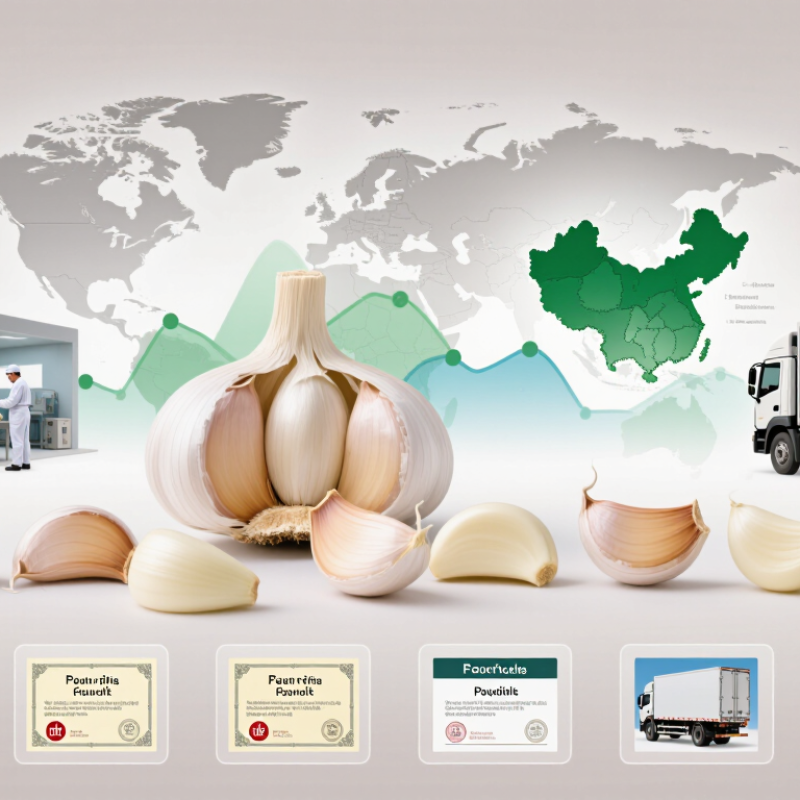
Sourcing Fresh Peeled Garlic in 2026 requires more than comparing supplier quotations. Buyers must connect crop data, processing controls, transport conditions, and customer specifications. FAOSTAT’s Crops and Livestock Products database consistently identifies China as the dominant garlic-producing country. However, production leadership does not guarantee stable peeled-garlic quality. Regional weather, curing practices, labor availability, and factory sanitation can change results quickly.
USDA Agricultural Marketing Service Specialty Crops Market News reports provide useful reference points for garlic prices, shipment volumes, and origin trends. These figures help buyers test whether a supplier’s offer is commercially realistic. UN Comtrade data can add another layer by showing import values, quantities, and trade movements. Still, trade statistics may combine different product forms. That limitation deserves attention.
A reliable sourcing process should verify garlic variety, clove size, peeling yield, microbial testing, shelf-life records, and cold-chain performance. Ask for recent certificates, batch photographs, audit reports, and traceability documents. Codex food-hygiene principles remain a useful benchmark for hygienic processing and contamination prevention. Small details matter. A clean cutting table matters.
In practice, buyers should compare at least three qualified processors before approving a contract. Request trial cartons, then inspect color, odor, firmness, moisture, and damaged cloves after delivery. Do not rely only on a polished factory video. That is a common mistake.
This guide explains how to evaluate Fresh Peeled Garlic suppliers for 2026. It also highlights costs, documentation, packaging, logistics, and quality risks. Market data can guide decisions, but direct verification remains essential.
Define Fresh Peeled Garlic and Its 2026 Market Standards
How to Source Fresh Peeled Garlic in 2026?
Fresh peeled garlic means whole garlic cloves that have been mechanically or manually peeled, washed when specified, and packed without drying or cooking. It is not the same as minced or preserved garlic. In 2026, buyers should define freshness by measurable conditions, not appearance alone. FAOSTAT records global garlic production above 28 million metric tons in recent reporting years, yet post-harvest handling still separates reliable supply from cheap supply.
A practical specification should include harvest or peeling date, clove size, odor, firmness, packaging, and storage temperature. Many professional buyers request chilled transport at 0–5°C, continuous temperature records, and a clear shelf-life statement. Codex General Principles of Food Hygiene, revised in 2022, supports documented hygiene controls and traceability. A supplier should also provide batch-based microbial testing, allergen statements, and sanitation records. Ask for evidence.
USDA garlic grading standards mainly address whole bulbs, so peeled garlic often requires additional buyer specifications. That gap matters. A bright white clove is not proof of safety or freshness. Look for clean surfaces, no slime, no sour odor, and minimal bruising during sampling. The 2026 market standard should also include recall procedures and verified farm-to-packer records. Some specifications remain too vague, including “premium quality.” Buyers should challenge them, because vague language creates costly disputes. Research from FAO and cold-chain guidance consistently shows that temperature control and handling discipline influence quality more than attractive packaging.
Identify Reliable Suppliers and Verify Product Quality
How to Source Fresh Peeled Garlic in 2026?
Identify Reliable Suppliers and Verify Product Quality
Sourcing fresh peeled garlic begins with supplier evidence, not attractive photographs. Ask for farm origin, processing location, harvest dates, and a traceability procedure. Reliable suppliers should provide current food-safety certificates and permit independent facility audits. Their records should match the shipment.
Request a small sample before signing a large contract. Check cloves for firm texture, clean surfaces, pale color, and a mild natural aroma. Avoid slimy pieces, bruising, dark spots, or sharp fermented smells. Packaging should show the packing date, storage temperature, lot code, and recommended use period. I also measure drained weight because excess liquid can hide weak quality.
Laboratory reports add useful protection. Review microbiological results, sanitation controls, and testing dates from a competent laboratory. Ask how the supplier manages allergen risks and recalls. Confirm that refrigerated transport maintains a documented cold chain from processing to delivery. A late truck can damage excellent garlic.
Do not trust paperwork blindly. I once accepted a clean sample, then found uneven peeling in the first commercial shipment. My mistake was testing too few cartons. Inspect multiple lots and record photographs, temperatures, odors, and defect rates. No checklist is perfect. Supplier communication matters too. Slow, vague answers may reveal problems before the garlic arrives. Compare performance over several deliveries, not just one successful order.
Check Food Safety, Packaging, Shelf Life, and Traceability
How to Source Fresh Peeled Garlic in 2026?
Check Food Safety, Packaging, Shelf Life, and Traceability
Fresh peeled garlic needs stronger controls than an intact bulb. Select suppliers with documented sanitation programs and hazard-based food safety controls. Ask for recent microbiological test results, cleaning records, and staff hygiene procedures. A clean-looking facility is not enough. Request evidence.
During receiving, inspect the garlic for slime, sour odors, discoloration, and leaking liquid. The pack should show a production code, use-by date, storage temperature, and facility details. Keep shipments chilled and record the temperature when they arrive. Even short temperature abuse can reduce quality and increase microbial risk.
Packaging should be food-grade, sealed, and suitable for chilled garlic. Modified-atmosphere packaging may extend shelf life, but only when properly validated. Excessive moisture inside the pack often signals trouble. Do not rely on a long printed date without supporting shelf-life studies. Storage life changes with peeling methods, washing, temperature, and handling. Follow the supplier’s validated specification, not guesswork.
Traceability must connect each case to its processing batch, raw garlic source, and transport record. A scannable lot code helps isolate affected stock quickly. Keep receiving logs and complaint records. This detail is easy to neglect. It matters.
One practical weakness remains. Buyers sometimes approve samples but skip supplier reviews later. Conditions can change. Recheck controls periodically, especially after packaging changes, seasonal sourcing, or repeated temperature deviations.
Build a Practical Ordering and Supplier Evaluation Process
How to Source Fresh Peeled Garlic in 2026?
A practical ordering process begins with a clear product specification. Define clove size, acceptable color, moisture level, pack weight, and delivery temperature. Request the peeling and packing date, origin, lot code, and expected shelf life. Fresh peeled garlic should arrive firm, clean, and free from sour odors or excessive liquid. Do not judge quality from photographs alone. Order a small trial shipment first. Record usable yield after opening each carton.
Evaluate suppliers with a simple scorecard. Measure product quality, on-time delivery, temperature control, documentation, communication, and complaint response. Ask how the supplier traces each lot from processing to dispatch. Check sanitation procedures, food safety records, testing practices, and compliance with applicable regulations. A reliable supplier should provide clear specifications and respond with evidence, not vague promises. Keep delivery records, inspection photos, and batch information in one shared file.
Ordering quantities need careful review. Compare weekly usage with lead time, storage capacity, and seasonal demand. Larger orders may reduce unit costs, but they can increase waste when freshness declines. Set approval limits for substitutions, short-dated products, and damaged packaging. A perfect scorecard can still miss a problem during a holiday rush. Reassess suppliers after every major delivery, not only after failures. Small process gaps often become expensive when nobody records them.
How to Source Fresh Peeled Garlic in 2026?
Build a Practical Ordering and Supplier Evaluation Process
Use this 100-point scorecard before placing an order. Product quality and food safety receive the highest weights because peeled garlic is highly perishable and requires strict handling. Confirm specifications, request recent test records, verify cold-chain capability, and compare landed cost only after quality and supply reliability meet your minimum standards.