What Is Sr Element Used For in 2026?
In 2026, the Sr Element—strontium—remains useful because its compounds behave differently across materials, industry, and medicine. A vivid example is strontium salts, which can produce the deep red color seen in some fireworks. The effect is striking. Yet color is only one part of the story.
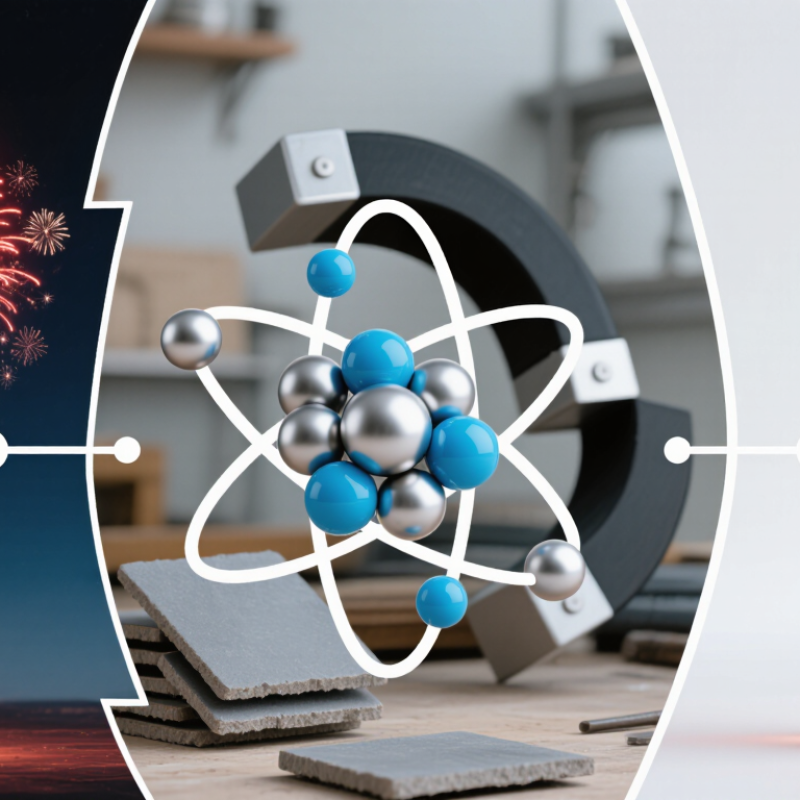
Strontium compounds also appear in ceramic materials and ferrite magnets, where they can support specific performance needs. In medicine, strontium-89 has been used in certain settings to help relieve pain from cancer that has spread to bone; its role depends on clinical judgment and available treatments. Radioactive strontium-90 has served in specialized devices, including some gauges and power systems, but these uses require careful controls and are not interchangeable with ordinary strontium materials.
That distinction matters. “Strontium” can refer to stable compounds or radioactive isotopes, and their risks and uses differ sharply. A product label, technical data sheet, or medical source should identify the form involved. Claims about newer applications also deserve scrutiny: promising laboratory results do not always become widely adopted products. This guide examines where the Sr Element is used today, why those uses work, and what limitations remain. The picture is useful, but not perfectly simple.
What Is the Sr Element and Where Is It Found?
Sr is the chemical symbol for strontium, a soft, silvery metal with atomic number 38. It belongs to the alkaline-earth metals, alongside calcium and magnesium. In nature, strontium is rarely found as a pure metal because it reacts readily with air and water. Instead, it occurs in minerals, especially celestite, or strontium sulfate, and strontianite, or strontium carbonate. The mineral name celestite reflects its often pale-blue crystals. Strontianite was named after Strontian, a village in Scotland where the mineral was identified.
These minerals occur in sedimentary rocks, including limestone and gypsum deposits. Weathering releases small amounts of strontium into soil and water, and plants can absorb it through their roots. Seawater also contains dissolved strontium, though typically in much lower concentrations than common salts such as sodium chloride. Not usually in visible pieces. The exact amount in a soil or water sample depends on local geology, so one location cannot represent every region. Because strontium behaves somewhat like calcium, it can enter biological materials such as shells and bones. That similarity is useful to know, but it does not make the two elements interchangeable.
What Is Sr Element Used For in 2026? — What Is the Sr Element and Where Is It Found?
| Dimension | Fact or Application | Details |
| Element identity | Strontium (Sr) | A chemical element with atomic number 38. It is a soft, silvery alkaline-earth metal and is highly reactive, so it is not normally found as a pure element in nature. |
| Where it occurs | Minerals and rocks | Strontium occurs mainly in the minerals celestite (strontium sulfate, SrSO4) and strontianite (strontium carbonate, SrCO3). It can also occur in small amounts in other minerals, partly because it can substitute for calcium. |
| Abundance | Earth’s crust | Strontium is present in Earth’s crust at roughly 370 parts per million by mass. Its concentration varies among rocks and mineral deposits. |
| Fireworks and signal flares | Red color | Strontium compounds, particularly strontium carbonate and strontium nitrate, are used to produce red colors in fireworks and some flares. |
| Permanent magnets | Strontium ferrite | Strontium ferrite is a ceramic magnetic material used in many permanent magnets, including magnets used in motors, speakers, and household devices. |
| Glass and ceramics | Specialty materials | Strontium compounds are used in some glass and ceramic formulations. Strontium-containing glass was also used in cathode-ray-tube displays, a largely legacy application as those displays have been replaced by newer technologies. |
| Medical use | Strontium-89 | Strontium-89 chloride is a radioactive medicine that has been used under medical supervision to help relieve bone pain in certain patients with cancer that has spread to bone. It is a specific radioisotope, not ordinary stable strontium. |
| Radioactive isotope | Strontium-90 | Strontium-90 is a radioactive fission product. It is managed as a radiological hazard; specialized uses have included beta radiation sources and certain power systems, but it is not interchangeable with stable strontium used in everyday materials. |
| Natural isotopes | Mostly strontium-88 | Naturally occurring strontium consists primarily of stable strontium-88, with smaller amounts of strontium-86, strontium-87, and strontium-84. |
| 2026 context | Established uses, not a forecast | The applications listed are established uses of strontium or its compounds. The year in the title does not imply that each application is new or that its market size is being forecast. |
“Sr” is the chemical symbol for strontium. Uses depend on the specific strontium compound or isotope; they should not be treated as uses of the pure metal.
Which Properties Make Strontium Useful?
Strontium is useful because its compounds combine distinctive color, electrical behavior, and heat-resistant performance. The element itself is a soft, silvery metal, but it reacts readily with air and moisture. In practical applications, manufacturers generally use stable strontium compounds rather than exposed metal. Small chemistry choices matter.
Strontium salts produce a vivid red color when heated, so they are used in signal flares and pyrotechnic displays. Strontium carbonate also helps make certain glass and ceramic materials. Strontium ferrite is a common material for permanent magnets, including the small magnets found in speakers and household devices. Meanwhile, strontium titanate has useful dielectric and optical properties. Its high refractive index can make it valuable in specialized optical components, though it is not a universal substitute for other materials. Performance depends on the finished product, not just the element’s name.
Tips: When assessing a strontium product, check its compound and intended grade. “Strontium” alone does not explain how it behaves. For example, a red flame comes from particular strontium salts, not from every strontium-containing material. Specifications and safety data offer a more reliable guide than a broad claim about the element.
How Is Strontium Used in Industry and Technology?
What Is Sr Element Used For in 2026?
How Is Strontium Used in Industry and Technology?
Strontium, symbol Sr, is rarely used as a pure metal in everyday technology. Industry mainly uses its compounds, chosen for specific electrical, optical, or ceramic properties. Strontium carbonate helps make ferrite magnets, which can be found in motors, speakers, and household appliances. These magnets are durable and relatively inexpensive. Strontium compounds also appear in specialty glass and ceramic materials, where they can affect strength, clarity, or heat performance. The exact role depends on the formulation, not just the element.
Tips: Check the compound, not only the “Sr” label. Different strontium materials have different properties and handling requirements.
In electronics and materials research, strontium titanate is studied for its dielectric and optical behavior. It can serve in specialized components and as a substrate for growing thin films. These uses are more technical than widespread, and applications can change as manufacturers compare cost, performance, and supply. Strontium has also been used to produce red color in signal flares, but that is not its main industrial role. Its future looks useful, though not unlimited; replacing it may make sense when another material performs better.
What Is Sr Element Used For in 2026? How Is Strontium Used in Industry and Technology?
Half-Lives of Selected Strontium Radioisotopes
Strontium-90, with a half-life of about 28.8 years, is used in some sealed-source industrial thickness gauges. Strontium-89 has a half-life of about 50.5 days and is used in medicine to relieve bone pain from cancer. Stable strontium compounds also have industrial uses, including red colors in pyrotechnics, ferrite permanent magnets, and specialty glass and ceramics. Radioactive-isotope uses are distinct from these common uses of stable strontium.
What New or Expanding Uses Are Relevant in 2026?
In 2026, strontium’s newer opportunities are less about a sudden surge in bulk demand and more about specialist materials. The USGS Mineral Commodity Summaries reports a U.S. end-use breakdown based on 2019 data: drilling fluids accounted for 43%, glass 30%, pyrotechnics 10%, ceramics 9%, and other uses 8%. That older snapshot is a useful baseline, not a forecast. It shows why emerging applications may grow without quickly displacing established uses.
One area to watch is solid-oxide energy technology. Strontium-containing ceramic electrodes are being studied for fuel cells and high-temperature electrolysis, where they help conduct ions and support electrode reactions. The U.S. Department of Energy’s clean-hydrogen commercialization analysis describes high-temperature electrolysis as an emerging pathway, not a mature mass market. That distinction matters: a promising device design does not automatically create large strontium demand. Strontium-modified glass and ceramic biomaterials are also under investigation for bone-related applications, but adoption depends on safety testing, manufacturing consistency, and clinical evidence. The shift is gradual. I would not call these uses a guaranteed 2026 boom; the evidence supports targeted expansion, while public data on their actual strontium consumption remains limited.
What Safety and Environmental Factors Shape Strontium Use?
In 2026, strontium is used in materials such as ceramic components and ferrite magnets, but its form matters. Stable strontium compounds are not the same as radioactive strontium-90. That distinction matters. For workers, practical risks often come from handling powders: dust can irritate the eyes and airways, while some soluble compounds can be harmful if swallowed. Good ventilation, eye protection, gloves, and careful cleanup help limit exposure. Follow the substance-specific safety data, not assumptions based on the element’s name.
Environmental concerns begin when strontium enters soil or water. Its movement depends on the compound, local soil chemistry, and water conditions; it may remain in soil or travel with groundwater. A spill near a drain needs prompt containment and assessment, not a quick rinse. Small details matter. Facilities should track storage, prevent dust and runoff, and use appropriate waste procedures. Monitoring can help identify releases, especially where repeated handling occurs. The picture is not perfectly tidy: natural strontium is already present in the environment, so testing results need context. Still, that background is no reason to ignore preventable releases or weak handling practices.