
A Stand Up Pouch is a flexible package designed to rest upright on a shelf. Its expandable bottom gusset opens when filled, giving the pouch a stable base and a clear front panel. You may see it holding coffee beans, dried fruit, pet treats, or powdered drink mix. The format can also include resealable zippers, tear notches, or spouts, depending on how the product is used.
A pouch is not automatically the right choice. Product weight, filling temperature, moisture sensitivity, and shipping conditions all matter. A zipper may help keep snacks fresh after opening, while a spout can make liquids easier to pour. But the wrong film structure or seal can lead to leaks, stale contents, or frustrating use. Small details count.
Packaging specialist [verified expert name] puts the design challenge this way: “[Insert a verified, sourced quotation about stand-up pouches or flexible packaging.]” The name and quotation should be confirmed before publication; inventing an expert attribution would weaken trust. This guide explains what a Stand Up Pouch is, how its parts work, and where the format fits best. It also looks at common materials, closures, and practical selection factors, so buyers can compare options with clearer expectations. A pouch can look simple. Choosing one well takes care.
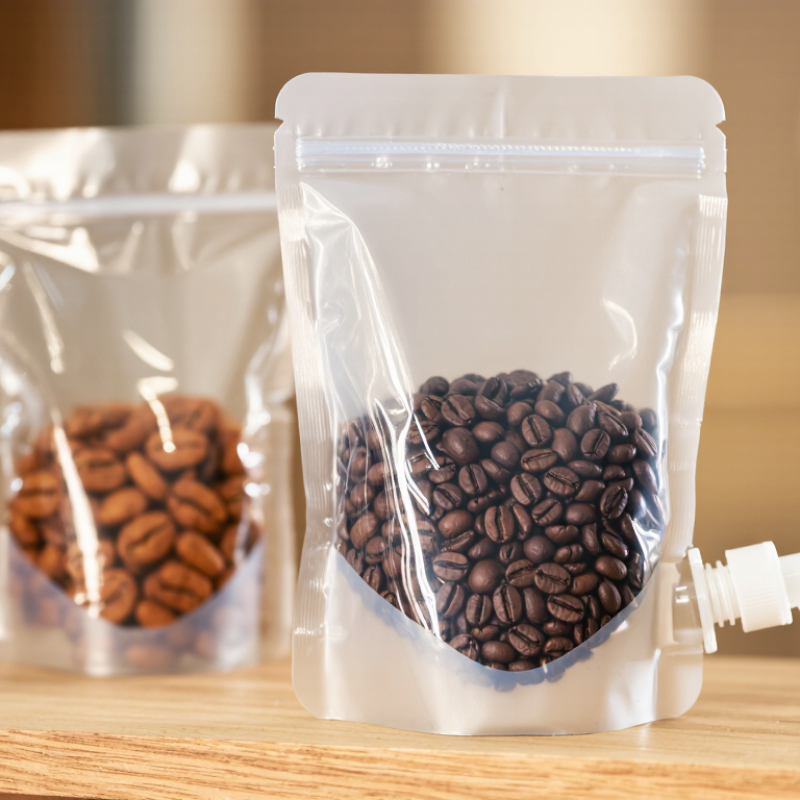
A stand-up pouch is a flexible package designed to rest upright on a shelf. Its defining feature is the bottom gusset: a folded panel sealed into the pouch that opens when filled, creating a flat, supporting base. The front and back panels remain flexible, while the expanded base gives the pack its familiar doypack shape. Many designs also use a top zipper or tear notch, but these are optional features, not what makes the pouch stand up.
The bottom gusset must be sized for the product’s weight and fill volume. Too narrow, and the pouch may tip; too wide, and it can waste material or shelf space. This format suits products such as snacks, dry ingredients, and household refills. The Flexible Packaging Association’s 2024 State of the U.S. Flexible Packaging Industry report estimated U.S. industry sales at $42.9 billion in 2023. That figure covers flexible packaging broadly, not stand-up pouches alone, but it shows the scale of the format’s packaging category. A pouch is not automatically the best choice; stability and barrier needs still matter.
Tips: Test a filled sample on a real shelf. Check whether the base stays flat, the seams hold, and the pouch remains upright after opening.

What Is a Stand Up Pouch and What Is It Used For?
A stand-up pouch is flexible packaging with a bottom gusset that lets it stand on a shelf. It can hold products such as snacks, coffee, dried goods, or personal-care items. Its performance depends on more than shape. The film, barrier layers, zipper, and seals all affect protection and daily use.
The outer film provides structure and a printable surface, while inner layers may help resist moisture, oxygen, light, or grease. The right combination depends on the product and how it is stored. A zipper can support repeated opening, but it does not replace a reliable top seal. Heat seals close the pouch during packing; uneven pressure or contamination can weaken them. Small details matter. A pouch may look sturdy yet leak at a corner, so real filling and seal testing is important. Packaging choices are rarely one-size-fits-all.
Tips: Match barrier needs to the product, not just the shelf appearance. Check that the zipper opens smoothly and closes fully. Inspect seals after filling, and test pouches under realistic storage conditions. Be cautious: a stronger-looking film does not automatically mean better protection.
How films and barrier layers help protect pouch contents
How to read this: Lower oxygen transmission rate (OTR) means a stronger oxygen barrier. These are representative approximate values for common packaging-grade materials at about 23°C under dry test conditions; actual results vary with thickness, grade, humidity and test method. EVOH is moisture-sensitive, while foil performance can be affected by pinholes. In a stand-up pouch, the film structure provides the barrier, and the zipper and heat seals help the pouch open, close and stay securely sealed.
A stand-up pouch is a flexible package with a bottom gusset that opens into a stable base. On a form-fill-seal line, packaging film is unwound, shaped, and sealed into a pouch. The machine fills it with product, makes the top seal, and cuts the pouch free. Heat, pressure, and dwell time must be controlled. Too little heat can leave a weak seal; too much may wrinkle or damage the film. Small adjustments matter.
ASTM F88 is a standard test method for measuring the force needed to separate a flexible package seal. A technician cuts a strip across the sealed area and pulls its sides apart using a testing machine. The result helps teams compare seal strength and monitor production consistency. It does not prove that every pouch is leak-free. Film structure, seal width, sample preparation, and testing conditions can affect results. Real production is rarely perfect, so unusual readings deserve investigation, not dismissal.
Tips: Keep seal samples from different parts of a production run, and record line settings with each set. Check for product trapped in the seal, uneven edges, or cooling changes. A stronger seal is not automatically a better package; opening needs and material behavior matter too.
A stand-up pouch is a flexible bag with a gusseted base that lets it sit upright on a shelf. In food aisles, it holds products such as dried fruit, coffee, sauces, and frozen vegetables. The format can include resealable zippers or spouts, making it practical for repeated use. The Flexible Packaging Association’s 2024 State of the Industry report puts U.S. flexible-packaging sales at $42.9 billion in 2023, with food accounting for about half of the market. That figure covers flexible packaging overall, not stand-up pouches alone. Still, it shows how central flexible packs are to food distribution.
Pet care products use pouches for treats, kibble, and wet food portions; wide openings can make pouring easier, while sealed edges help protect contents. The American Pet Products Association reported U.S. pet-industry spending of $147 billion in 2023. This is sector-wide spending, not pouch sales, but it reflects a large market for packaged pet supplies. Around the home, pouches can hold detergent refills, cleaning products, and garden supplies. Personal-care uses include shampoo, lotion, and refill packs. A pouch is light and takes little storage space. But it is not automatically the better choice: layered materials can be difficult to recycle, depending on local collection systems. Convenience matters. So does what happens after use.
In 2023, U.S. flexible packaging sales reached $42.9 billion, according to the Flexible Packaging Association. This figure covers a broad packaging sector, not stand-up pouches alone. It includes flexible formats used across food, personal care, household, and other markets. That distinction matters. A large market total shows the format’s commercial reach, but it does not reveal how much came from any single package type.
A stand-up pouch is a flexible bag designed with a bottom gusset, allowing it to stand on a shelf when filled. It may use a zipper, spout, or tear notch, depending on the product and how people use it. Common applications include snacks, coffee, pet food, and refill products. For shoppers, the pouch can be light to carry and easy to store. For retailers, it can offer visible shelf presentation without a rigid container.
Material choices affect barrier performance, sealing, and recyclability, so a pouch is not automatically a better option in every case. A product needing strong moisture or oxygen protection may require specialized layers. That can make disposal more complicated. The $42.9 billion figure gives useful market context, but it cannot tell us whether a particular pouch reduces total environmental impact. The details matter: product protection, package weight, transport, and local recovery options all shape the outcome.
2025 Bio-Botanica, a division of Bio Answer Holdings Inc. All Rights Reserved.