Blog

Is Talcum Powder Safe for Baby and Adults Health Risks?

talcum powder has long been a staple in many homes. Often used for babies and adults, its safety remains contentious. Recent studies indicate potential health risks associated with talcum powder, including links to ovarian cancer and respiratory problems. According to the American Cancer Society, talc contains magnesium silicate, which may harbor asbestos, a known carcinogen.

Data from the National Cancer Institute suggests that women who regularly use talcum powder in the genital area face increased cancer risks. In contrast, some argue that talcum powder is safe when used appropriately. Many consumers, however, remain skeptical about its safety due to conflicting information.

Consumers must weigh the benefits and risks carefully. Some people find talcum powder soothing and effective for dryness, especially in hot climates. However, hesitation persists among parents about its use on infants. The need for clearer guidance is evident, as personal experiences and scientific reports continue to clash. Overall, more in-depth studies are needed to fully understand the implications of talcum powder use.
Is Talcum Powder Safe for Baby and Adults Health Risks?

Talcum Powder Composition and Common Uses in Baby and Adult Products

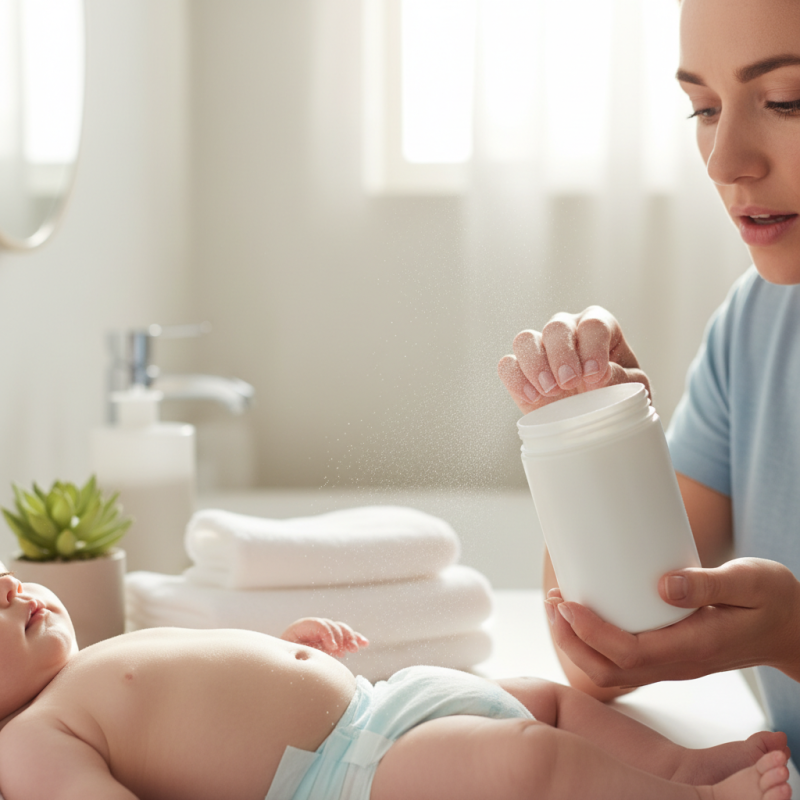
Talcum powder is commonly used in various baby and adult products. Its primary component is talc, a mineral made of magnesium, silicon, and oxygen. Talc has moisture-absorbing properties, making it popular in personal care items. Parents often apply it to keep their babies dry and comfortable. Adults also use it for body powders and cosmetics.

Despite its usefulness, talcum powder raises safety concerns. Some studies link talc to respiratory issues if inhaled. The American Cancer Society notes potential risks when talc contains asbestos. Though many products now use asbestos-free talc, it’s crucial to read labels carefully.

**Tip:** For baby products, consider alternatives like cornstarch. It effectively absorbs moisture without the risks associated with talc.

Another concern is skin irritation from excessive use of talcum powder. This can lead to redness or rashes. Monitoring the application amount is vital, especially for sensitive skin.

**Tip:** If irritation occurs, stop using immediately and consult a healthcare professional. Awareness of these potential risks is essential for safe use of talcum powder in both children and adults.
Talcum Powder Health Risks: Baby vs Adults

This chart illustrates the reported health risks associated with talcum powder in baby products compared to adult products. The data indicates that while both categories have reported issues, adult products show a higher incidence of health risks.

Health Risks Associated with Talcum Powder Exposure in Infants

Talcum powder has been a common item in many households, especially those with infants. However, its safety has come under scrutiny. Infants are particularly vulnerable to chemicals and talc can pose risks. The powder can irritate their delicate skin and respiratory systems.

Exposure to talcum powder may lead to respiratory issues in babies. When inhaled, the fine particles can settle in their lungs. This can result in coughing or difficulty breathing. Parents may think they are using something safe, but are unknowingly exposing their children to potential harm. The baby's skin can also become irritated by the powder, leading to rashes or allergies.

Studies have raised concerns about long-term effects. Chronic exposure may lead to lung conditions later in life. Parents often overlook these risks, thinking it is harmless. Yet, the evidence suggests a need for caution. It’s crucial to explore safer alternatives for personal care products. Parents must weigh the benefits against potential risks. Each choice matters when it comes to protecting an infant's health.

Potential Health Risks of Talcum Powder for Adults: What to Know

Talcum powder has been a popular choice for personal care. However, concerns surround its safety. Research suggests potential health risks for adults who use it regularly. The International Agency for Research on Cancer classifies talc as possibly carcinogenic when contaminated with asbestos. Some studies indicate a link between talc use and ovarian cancer. A 2020 report even highlighted that women who regularly use talcum powder may have a 33% higher risk.

Additionally, there are respiratory risks associated with inhaling talcum powder. The American Lung Association notes that inhalation can lead to respiratory disorders. This poses a concern for adults using it in bathrooms or during grooming. While many users may feel safe, the lack of conclusive long-term studies creates uncertainty. The evidence is muddied, leaving room for doubt. Adults must weigh the potential risks against the perceived benefits.

In light of these concerns, it is crucial to reflect on personal choices with talcum powder. Many factors contribute to its safety, including preparation and use. A clear understanding of individual health needs is essential. Staying informed about emerging research can make a significant difference in decision-making.

Is Talcum Powder Safe for Baby and Adults Health Risks?

Risk Factor Impact on Babies Impact on Adults Recommendation
Respiratory Issues High risk if inhaled; can cause choking or respiratory distress. Inhalation can lead to chronic respiratory problems. Avoid use in areas where inhalation is possible.
Skin Irritation May cause rashes; sensitive baby skin can react negatively. Can exacerbate pre-existing skin conditions. Consider using alternatives like cornstarch powders.
Cancer Risks Limited evidence; concerns mostly related to prolonged exposure. Some studies suggest a link to ovarian cancer with long-term use. Use cautiously and consult with a healthcare provider.
Talc Contamination Possible exposure to asbestos if not properly regulated. Asbestos contamination is a serious health hazard. Choose talc-free products to minimize risks.

Scientific Studies on Talcum Powder and Its Link to Cancer

Talcum powder has been widely used for years, especially in baby care products. However, recent scientific studies raise concerns about its safety. Some research indicates a potential link between talcum powder use and certain cancers. For example, a study published in the Journal of the American Medical Association found that long-term use of talc-based powders could increase the risk of ovarian cancer in women.

Researchers discovered talc particles in ovarian tumors. This connection has led to debates over talc’s safety. Notably, the International Agency for Research on Cancer classified talc as possibly carcinogenic when used in the genital area. This classification leaves many health professionals questioning its safety.

Tips: When choosing products for your family, check for alternatives that avoid talc. Look for cornstarch-based powders instead. Also, consulting your pediatrician about body powders is a wise choice. Always prioritize safety over tradition.

Another point of reflection is that consumers often trust brands without considering the ingredients. Transparency in labeling can help. It's essential to be informed and cautious about what we apply to our skin. Make sure to stay updated with recent studies and expert opinions.

Safe Alternatives to Talcum Powder for Baby and Adult Care Products

When considering alternatives to talcum powder, several safe options exist for both babies and adults. Cornstarch is a popular choice. It absorbs moisture effectively without the health risks associated with talcum powder. Many parents find it gentle on their baby's skin. Another option is arrowroot powder, which offers similar benefits. It's natural and soothing, making it a good substitute.

Baking soda can also serve as an alternative. It helps neutralize odors and keeps the skin dry. However, some individuals may find it irritating. Always test a small amount first. If irritation occurs, discontinue use. Additionally, using oatmeal in baths can provide relief from itching, especially for sensitive skin.

The transition from talcum powder to these alternatives may require some adjustments. Finding the right product for each individual can be daunting. What works for one person may not work for another. It’s important to be mindful of one’s own skin sensitivity and to seek out options that are both safe and effective.

Article Source:

Botanical Extracts Manufacturing | Manfacture botanical extracts for supplements.