
Buying a Testsealabs Rapid Test across borders requires more than comparing prices. Buyers must examine product authenticity, intended use, regulatory status, shipping conditions, and supplier reliability. A low-cost listing may hide short shelf life, unclear instructions, or weak customer support. Small details matter.
Diagnostic expert Dr. Michael Mina has emphasized that “a test result is not the diagnosis.” This principle deserves attention when purchasing any Testsealabs Rapid Test. Results depend on sample collection, testing time, storage, and correct interpretation. A box may look professional, yet the labeling can still be incomplete. That is where careful buyers should pause.
This guide presents five practical tips for global purchasing decisions. It considers authorized distribution, lot numbers, expiration dates, language requirements, and temperature-sensitive delivery. It also explains why buyers should confirm the test’s intended specimen and performance claims before ordering. Requirements differ between countries, clinics, pharmacies, and private users. Do not assume approval in one market guarantees acceptance elsewhere.
Real purchasing experience often reveals uncomfortable gaps. Some sellers answer quickly but provide no verifiable documentation. Others offer attractive discounts while avoiding questions about returns. That is not automatically fraud, but it deserves scrutiny. A reliable supplier should provide traceable product information, transparent invoices, and clear storage guidance.
The aim is not to promise perfect certainty. No rapid test removes every diagnostic limitation. Instead, these recommendations help buyers make a more informed, evidence-aware choice when sourcing Testsealabs Rapid Test products internationally.
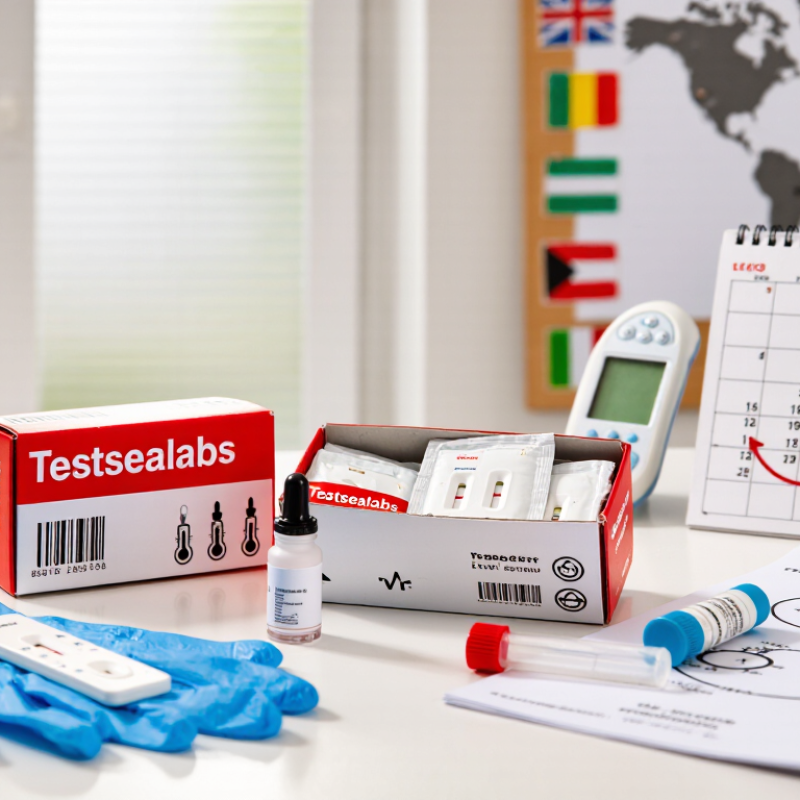
Tip 1: Define the testing purpose before comparing products. A respiratory, fertility, or infectious-disease test may require different samples and procedures. Check whether it uses nasal swabs, saliva, urine, or blood. The correct specimen matters. A convenient format is not always the most suitable one.
Tip 2: Examine performance data carefully. Look for sensitivity, specificity, intended users, and tested populations. Results can vary with timing, symptoms, and sample quality. Ask the supplier for current instructions, certificates, and independent evaluation reports. Do not rely on a product page alone. That would be risky.
Tip 3: Confirm storage and local requirements before placing an international order. Review temperature limits, shelf life, batch information, language support, and shipping conditions. A test exposed to excessive heat may become unreliable. Check import rules and healthcare regulations in the destination country. Requirements differ widely.
In practice, I compare at least two technical documents before purchasing. I also test the instructions with a first-time user. Confusing steps often reveal hidden problems. If the intended use remains unclear, consult a qualified healthcare professional or laboratory specialist. Personal experience helps, but it cannot replace validated evidence.

When buying rapid diagnostic tests internationally, product authenticity deserves more than a quick online check. Compare the lot number, expiry date, seal, and package artwork with the manufacturer’s official records. A mismatched font can matter. Ask for traceable invoices and a current product datasheet. Do not rely on marketplace photographs alone.
Certifications need careful reading. Confirm the certificate covers the exact test, intended use, and current model. Check the issuing organization through its own website, not a seller-provided link. Regulatory approval also depends on the destination market. Search the relevant government database and review the approved use, language requirements, and authorized importer. A certificate from another region may not permit local sale or clinical use.
Storage conditions are easy to overlook. Check temperature limits, humidity warnings, transport records, and the remaining shelf life. Request instructions for use before ordering, including sample types and result-reading times. An independent laboratory report can support confidence, but it does not replace regulatory verification. I have learned that a persuasive seller is not proof of authenticity. A glossy box can still mislead me. When records conflict, pause the purchase and ask a qualified regulatory professional to review them. Keep screenshots, batch details, certificates, and correspondence in one file for future audits.
Buying rapid tests globally requires more than comparing the unit price. FIND’s 2022 market landscape reported many antigen tests at roughly US$1–5 per test in volume purchases. Retail prices were often higher. Request quotes from at least three suppliers, using the same quantity and delivery terms. Ask whether prices include freight, insurance, customs handling, and local taxes. Otherwise, the cheapest quote may become expensive at arrival.
Minimum order quantities can vary from several hundred to tens of thousands of tests. A smaller order may cost more per unit but reduce expiry risk. Check production dates, remaining shelf life, storage temperatures, and replacement policies. The World Health Organization’s 2023 Essential Diagnostics List emphasizes performance, quality, and suitability for local settings. Suppliers should provide independent evaluation data, lot-specific certificates, instructions for use, and evidence of quality-system compliance. Local regulatory listing also matters. “Approved elsewhere” is not enough.
UNICEF procurement guidance shows why standardized specifications improve price comparisons. Compare sensitivity, specificity, sample type, packaging, and result time before negotiating. A spreadsheet helps. It can still miss hidden costs. I would request a sample shipment, inspect carton labels, and verify temperature conditions on arrival. Some suppliers quote aggressive prices for large MOQs, but that arrangement may strain cash flow and create avoidable wastage. Supplier experience in customs documentation and regional distribution is often worth paying for. Just do not confuse polished sales support with reliable performance.
Indicative wholesale benchmarks by sourcing region: compare unit price and minimum order quantity before requesting a quotation.
Lower unit prices commonly require larger minimum orders. Buyers should also verify regulatory authorization, remaining shelf life, storage conditions, shipping terms, import duties, and whether the quoted price includes transport and documentation. Figures are indicative planning benchmarks rather than fixed quotations.
Buying rapid tests internationally requires more than comparing unit prices. The World Bank’s 2023 Logistics Performance Index reports that global shipments can take about 44 days from export to arrival. Sea freight may reduce costs, but delays can shorten usable shelf life. UNCTAD also reports that over 80% of global merchandise trade by volume moves by sea. Plan accordingly.
Tips: Check the Incoterm before paying. Under ICC Incoterms 2020, delivery duties, customs clearance, and transport risk can shift between buyer and seller. Request a written landed-cost estimate. Confirm the destination’s import permits, labeling language, registration status, and customs documentation with the local authority. Rules differ sharply between countries. Do not rely on a supplier’s general statement.
Tips: Review shelf life in writing. Ask for the manufacturing date, expiry date, storage range, and temperature-monitoring records. WHO guidance for in vitro diagnostic products emphasizes validated storage conditions and quality documentation. A product stored outside its stated range may perform poorly, even before expiration. I would also request a batch-specific certificate of analysis. It feels excessive, but one missing document can delay clearance.
Inspect cartons on arrival. Photograph seals, temperature indicators, and damaged boxes. The mistake I still see is accepting “long shelf life” without a minimum remaining-life clause. Set that requirement before ordering.
When buying rapid tests internationally, customer support deserves the same attention as price. Ask whether support staff can explain storage temperatures, expiry dates, lot numbers, and result interpretation. Clear answers show practical knowledge. Vague replies deserve caution.
Ask for a written return policy before payment. It should explain what happens when boxes arrive damaged, seals are broken, or products have insufficient shelf life. Check who pays return shipping and how refunds are processed. Keep invoices, delivery photos, and temperature records when available.
Small details matter. I once overlooked response times and regretted it. A supplier may answer sales questions quickly, then disappear after delivery.
Post-purchase assistance should include a reachable email address, documented instructions, and a realistic response window. Confirm support hours across time zones. Request replacement procedures for missing items or visible damage. Do not rely only on chat messages; save formal correspondence.
A professional seller should provide traceable product information and avoid promising results beyond the test’s approved use. Independent verification is still wise. Even experienced buyers can miss a changing return condition buried in a policy page. Read it twice.
2025 Bio-Botanica, a division of Bio Answer Holdings Inc. All Rights Reserved.