
Choosing the right Nasal Endoscopy Machine is crucial for effective diagnosis and treatment. This technology plays a vital role in ENT practices. Selecting a machine involves careful consideration of various factors.
The quality of images provided by a Nasal Endoscopy Machine directly impacts clinical outcomes. High-resolution cameras and flexible scopes enhance visibility. Many machines also offer advanced features like video recording. However, these features can significantly increase costs.
Reliability is another important aspect. A durable machine supports continuous use in a busy clinical setting. Service and support from the manufacturer are essential too. Choosing a reputable brand ensures access to expert assistance and timely repairs.
Every practice has unique needs. Reflecting on specific requirements can guide the decision-making process. Not every machine will be the perfect fit. Careful evaluation of functionalities, budget, and support can lead to a more informed choice. As technology evolves, reassessing these factors regularly is wise.
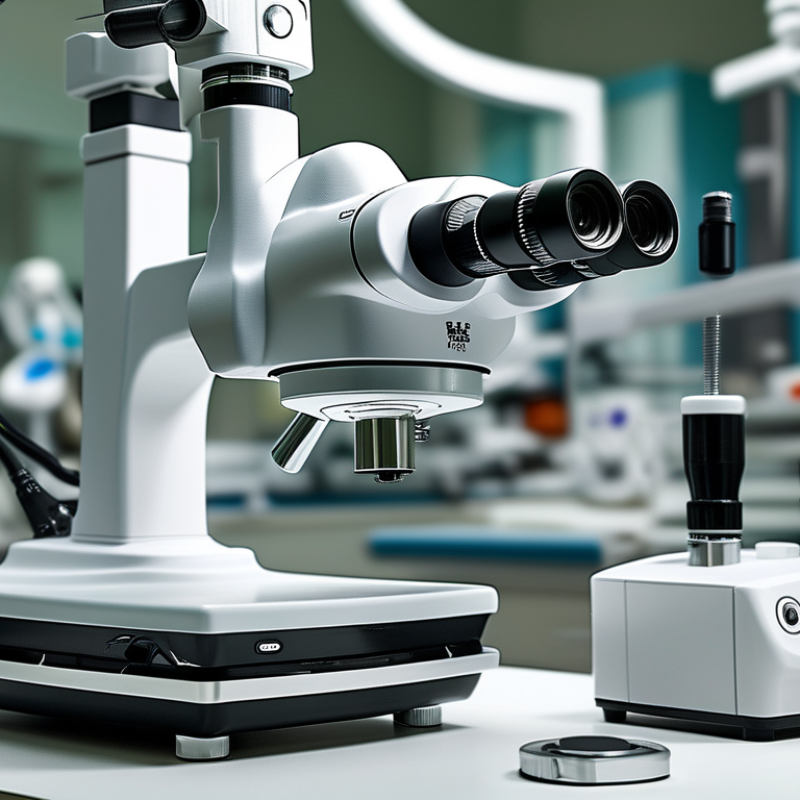
When selecting a nasal endoscopy machine, several factors come into play. The resolution of the camera is crucial. High-resolution images aid in accurate diagnosis and treatment choices. A camera with at least 1080p can enhance visibility. It is also important to consider the size and flexibility of the endoscope. A slim design allows for easier navigation in tight spaces.
Another factor to reflect on is user-friendliness. The machine should be intuitive. A complicated interface can slow down procedures and cause frustration. Look for features that simplify workflow. This might include touch screen controls or programmable settings. Additionally, consider the machine's durability; it must withstand frequent use. Frequent repairs can disrupt routines and lead to potential errors.
Lastly, training and support are vital. Equipment should come with comprehensive training sessions. This ensures that staff is well-prepared to use it effectively. Some manufacturers offer robust resources for ongoing education. Reflecting on these aspects not only aids in making the right choice but ensures improved patient outcomes. Investing time in understanding these factors leads to better decision-making.

This chart illustrates the key factors to consider when selecting a nasal endoscopy machine, based on expert recommendations and user feedback.
When considering nasal endoscopy machines, it is crucial to understand the types available in the market. There are primarily three categories: flexible endoscopes, rigid endoscopes, and video endoscopes. Each type serves specific imaging needs and varies in application. Flexible endoscopes are often favored for their maneuverability. They can easily navigate the nasal passage, offering detailed views of the sinus cavities.
Rigid endoscopes, however, provide superior image quality. They are commonly used in surgical settings where precision is vital. According to a report from MarketsandMarkets, the global endoscopy market is projected to reach $39.5 billion by 2026. This reflects a growing demand for advanced visualization tools in ENT procedures. Video endoscopes combine features from both rigid and flexible types, providing real-time digital imaging, which enhances diagnostic accuracy.
It is important to note that while different machines exist, selections may still be challenging. Each equipment type comes with its pros and cons based on technology and use cases. Additionally, the quality of imaging can vary drastically between models. The American Academy of Otolaryngology reports that poor-quality imaging can lead to misdiagnoses. Users should assess their specific needs carefully before investment to avoid overspending on unnecessary features.
When choosing a nasal endoscopy machine, several key features should be prioritized. High-definition imaging is essential. It allows for clearer visualization of nasal passages. A device that offers 4K resolution can reveal fine details. This clarity helps in accurate diagnosis and treatment planning.
Ergonomics play a critical role too. An efficient machine should be lightweight and easy to handle. Surgeons often work for long hours. A comfortable grip can reduce fatigue and increase precision during procedures. Flexible endoscopes can navigate various anatomical structures with ease. This adaptability is especially crucial in complex cases.
Consider the machine's storage capabilities. Digital images and videos should be easy to save and retrieve. Some machines have built-in systems for quick access. This feature can enhance the workflow significantly. Additionally, ensure that the machine is user-friendly. The interface should be intuitive and straightforward. Complicated controls can hinder performance and prolong procedures.
When budgeting for a nasal endoscopy machine, it's essential to consider not just the upfront cost but also long-term expenses. Quality machines often come with a higher price tag, reflecting their design and technology. However, a low-cost option may end up costing more in repairs and maintenance. Assess your budget carefully to balance efficiency and affordability.
Consider the additional costs beyond the machine itself. You will need endoscopy accessories, software updates, and training for staff. These elements can significantly impact the overall budget. It is also wise to allocate funds for potential upgrades in the future. The technology in this field is always evolving, and staying current is crucial for effective patient care.
Pay attention to financing options offered by vendors. Sometimes, payment plans can ease the initial financial burden. Be cautious, though; always review the terms carefully. Understand what you are committing to before signing. Choosing the right machine requires thought and analysis, focusing on long-term value rather than just initial price.
| Feature | Description | Estimated Cost Range |
|---|---|---|
| Image Quality | High-definition capabilities with LED or OLED technology for clearer images. | $5,000 - $15,000 |
| Connectivity Options | Ability to connect with hospital systems and external viewers via USB or Wi-Fi. | $1,000 - $3,000 |
| Portability | Lightweight design for easy transport and storage. | $2,000 - $6,000 |
| User Interface | Intuitive touchscreen or manual controls for easy operation. | $1,500 - $4,000 |
| Maintenance and Support | Availability of customer support and easy maintenance schedules. | Varies by manufacturer |
When selecting a nasal endoscopy machine, maintenance and ongoing support are vital factors. Regular maintenance keeps the equipment in prime condition. Neglecting it can lead to unexpected failures and costly repairs. Creating a routine maintenance schedule can help standardize this process. Check for loose parts and ensure the imaging systems are clean and calibrated correctly. Regular checks minimize long-term issues.
Support from knowledgeable technicians is crucial. They need to provide quick responses to troubleshooting needs. Having access to comprehensive training resources is equally important. These resources keep staff updated on best practices. Sometimes, operators feel overwhelmed with new technologies. Adequate training can bridge that gap. Remember, even experienced staff can benefit from refresher courses.
Consider the availability of spare parts as well. Limited access can disrupt your operations. Some practices may find themselves waiting days for essential components. This can affect patient care and productivity. Ensuring a reliable supply chain for parts is critical for seamless functionality. Regular maintenance, training, and efficient support create a foundation for success in nasal endoscopy practices.
2025 Bio-Botanica, a division of Bio Answer Holdings Inc. All Rights Reserved.