Top Tips for Choosing the Right Airless Bottle Packaging?
Choosing the right packaging for cosmetics is crucial. Airless Bottle Packaging has gained attention in the industry for its unique benefits. According to Dr. Emily Carter, a leading expert in sustainable packaging solutions, "Airless Bottle Packaging preserves products longer and reduces waste."
The importance of this packaging lies in its ability to minimize air exposure. This helps maintain the integrity of sensitive formulas. Moreover, it often reduces the need for preservatives. However, not all airless bottles are the same. Some designs may present challenges in dispensing. This complexity can lead to product waste if not considered carefully.
Selecting appropriate Airless Bottle Packaging requires a balance of function and aesthetics. Brands must assess their product requirements while remaining mindful of consumer preferences. The right choice can enhance user experience, but mistakes in selection can damage brand reputation.
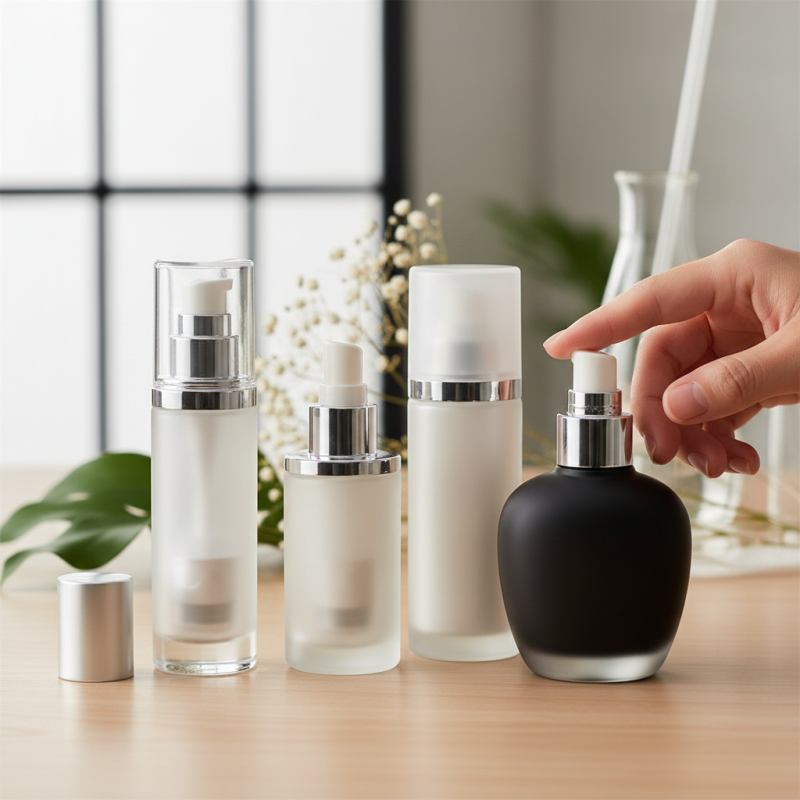
Understanding Airless Bottle Packaging and Its Benefits
Airless bottle packaging offers a unique solution for cosmetic and skincare products. This type of packaging prevents air from entering, ensuring product integrity. The absence of air limits oxidation, which often degrades active ingredients. As a result, products stay fresher for a longer time. This design is especially beneficial for natural and organic formulations, where efficacy is paramount.
Using airless bottles also reduces waste. Unlike traditional pumps, these bottles dispense nearly every drop of product. Consumers appreciate minimizing leftover product, enhancing satisfaction. Additionally, the sleek design often enhances aesthetics on shelves, making products visually appealing. However, the complexity of manufacturing airless bottles can lead to higher costs. This aspect often reflects on the final product price.
When selecting airless packaging, consider factors like
material and compatibility with your formula. Some materials may react with certain ingredients, compromising quality. Test your product in various conditions to ensure it performs well. Understanding your formula’s needs is crucial. It’s essential to balance aesthetics, functionality, and cost. Ultimately, the right choice can elevate your product’s market presence while maintaining quality.
Key Features to Look for in Airless Bottle Design
When selecting airless bottle packaging, consider key design features that enhance product integrity. A vacuum seal is crucial. It prevents air from entering, which can spoil sensitive formulations. Look for a reliable pump mechanism. It should dispense consistently without wasting product. Testing different designs helps determine which one feels the most effective.
Material quality also matters. Choose bottles made of robust materials that offer UV protection. Clear or tinted bottles can help maintain the stability of light-sensitive ingredients. Aesthetic appeal can influence customer choice. However, prioritizing functionality over looks is essential.
Additionally, consider the size and shape of the bottle. A comfortable grip improves user experience. Think about how the product will be stored and used. Packaging that fits well in hand or on a shelf is often more appealing. Don't overlook the importance of recyclability. As sustainability becomes more important, ensure your packaging aligns with eco-friendly practices.
Material Options for Airless Bottle Packaging: Pros and Cons
When selecting materials for airless bottle packaging, it’s essential to understand the pros and cons of options available. One popular choice is polypropylene (PP), known for its lightweight and cost-effective nature. Research indicates that PP has a recycling rate of 27% in North America, which represents room for improvement. Its durability is a key factor in protecting contents, reducing waste. However, its environmental impact raises concerns, particularly regarding long-term sustainability.
Another common material is glass. Glass is valued for its premium look and recyclability. Reports show that glass can be recycled indefinitely without quality loss, appealing to environmentally conscious consumers. Yet, the risk of breakage during shipping and handling remains a significant drawback. The weight of glass also increases transportation costs and carbon footprint. Balancing these factors is crucial for brands aiming to present eco-friendly image while remaining practical.
A rising alternative is PETG, which offers clarity and flexibility. Studies reveal that PETG's recycling potential is steadily increasing but still lags behind glass. While its transparent nature can enhance product visibility, its production process is less environmentally friendly compared to recycled materials. In a market increasingly driven by sustainability, these considerations must guide decision-making in packaging development.
Top Tips for Choosing the Right Airless Bottle Packaging
Evaluating Compatibility of Airless Bottles with Your Product
When selecting airless bottles, compatibility with your product is crucial. Not all formulations work well with every type of packaging. Consider the ingredients in your formula. Some active components may react negatively with certain materials. For instance, essential oils might corrode plastic if the bottle isn't designed for such ingredients. It’s vital to test your product in the packaging before committing.
Look into the dispensing mechanism as well. Airless bottles utilize a vacuum system that can prevent oxidation. This is beneficial for products sensitive to air exposure. However, if your formula is too thick or contains particulates, it may not dispense smoothly. Conducting a trial run will reveal how well your product performs in the chosen bottle. Observe how it flows and settles within the container.
Additionally, assess the overall aesthetic and function of the bottle. It should align with your brand’s image while ensuring functionality. A bottle that looks great but doesn’t work effectively can disappoint customers. Adaptability can sometimes lead to unexpected results. Gathering feedback from testers can provide valuable insights into these aspects.
Top Tips for Choosing the Right Airless Bottle Packaging
| Criteria | Considerations | Recommended Materials | Pros & Cons |
| Product Compatibility | Assess chemical reactions and compatibility | PP, PET | Pros: Good barrier properties.
Cons: Limited temperature resistance. |
| User Experience | Ease of use, dispensing efficiency | PE, glass | Pros: Excellent user perception.
Cons: Heavier and breakable materials. |
| Sustainability | Recyclability and environmental impact | Recycled PET, biodegradable materials | Pros: Eco-friendly choices.
Cons: May have higher costs. |
| Cost-Effectiveness | Budget constraints, production volume | Standard PET, PP | Pros: Affordable options available.
Cons: May compromise on quality. |
| Design Flexibility | Shape, color, and branding opportunities | Glass, PP | Pros: High customization potential.
Cons: Longer lead times for molds. |
Cost Considerations When Choosing Airless Bottle Packaging
When considering airless bottle packaging, cost is a primary factor. Prices can vary significantly based on material and design. Sustainable options are often more expensive, yet they may offer long-term savings. Investing in quality materials can enhance product stability and shelf life. However, it’s essential to balance initial costs with potential benefits.
Design complexity is another cost driver. Intricate designs may look appealing but can inflate production costs. Simple designs often offer practical benefits while remaining budget-friendly. However, it’s crucial to evaluate if a basic design aligns with brand positioning. This might require trade-offs, which could affect consumer perception.
Finally, minimum order quantities can impact overall costs. Some suppliers may impose high order limits, which can strain budgets. It’s vital to assess your needs carefully. Small brands might face higher per-unit costs but can find suppliers willing to accommodate smaller batches. Reflecting on these factors ensures better decision-making for effective packaging solutions.