
In the dynamic landscape of chemical manufacturing, sourcing equipment for an Acetic Acid Plant is critical. Acetic acid plays a vital role in various industries, including plastics and textiles. According to a recent market report, the global acetic acid market is expected to reach $17 billion by 2026, with a CAGR of 4.5%. This data showcases the growing demand for effective production processes.
Selecting the right equipment is essential to meet production goals efficiently. Industry experts emphasize that factors such as reliability, compatibility, and energy efficiency must be prioritized. With various suppliers in the market, it’s important to ensure that you are making informed decisions. However, the process is often marred by challenges, such as varying product quality and after-sales support.
Investing in the right equipment can lead to improved outputs. But not all suppliers deliver as promised. Ensuring long-term partnerships with reputable manufacturers can mitigate risks. Engaging with experienced consultants may also provide insights that can ultimately save costs. While navigating this process, reflect on what truly contributes to your operational success.
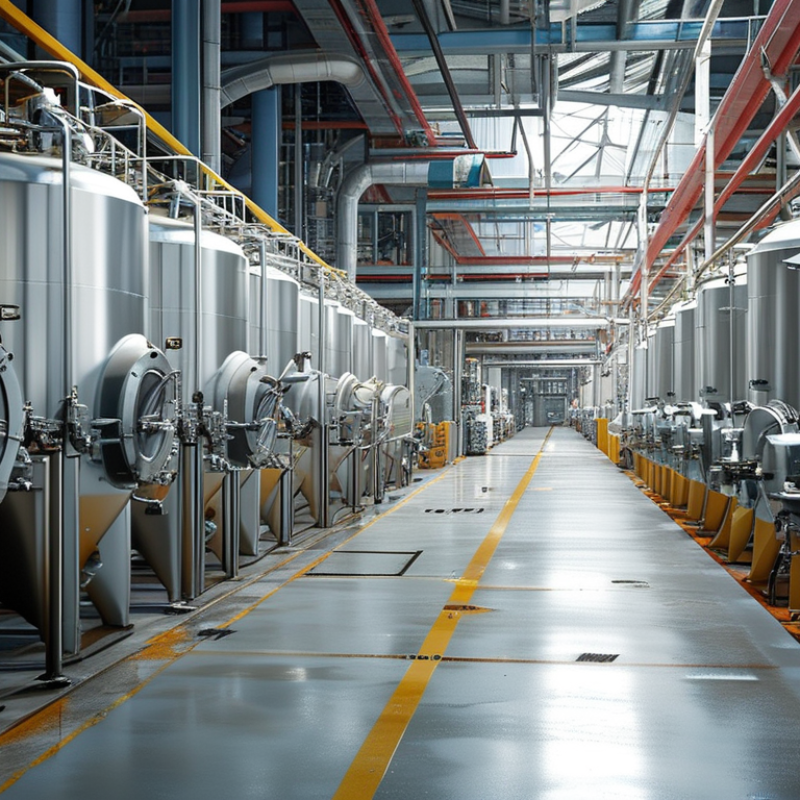
Acetic acid production relies heavily on specialized equipment. Understanding what this equipment entails aids in effective sourcing. Key components include reactors, separators, and evaporators. Each plays a crucial role in the synthesis and purification process.
Recent industry reports indicate that the global acetic acid market reached approximately $16.3 billion in 2022. This figure reflects growing demand, particularly in Asia-Pacific regions. Selecting the right equipment can maximize efficiency and ensure high-quality output. However, one challenge is the variability in equipment performance. Regular maintenance is often overlooked, yet it can significantly influence production consistency.
Moreover, misconceptions about equipment lifespan can lead to unexpected downtimes. Operators sometimes underestimate the need for periodic upgrades. Investing in reliable, state-of-the-art equipment can mitigate these risks. Various reports suggest that plants using advanced technology can enhance yield by up to 20%. Ensuring that the equipment choice aligns with production goals is essential for optimal efficiency. Knowing these nuances can help in making informed decisions.

When sourcing equipment for an acetic acid plant, several key factors may influence your decision. Reliability is paramount. Any breakdown can lead to costly downtime. Assess the equipment's history and previous performance data.
Consider compatibility. Equipment must align with your existing systems. An ill-fitting machine can create operational headaches. Seek out engineers or professionals who can offer insights into equipment suitability. Physical dimensions and utility requirements are vital details.
Cost is another significant factor. Balance initial purchase costs with potential maintenance and operational expenses. Sometimes, a cheaper option may lead to higher long-term costs due to repairs or inefficiency. Don't hesitate to ask for references or case studies from suppliers. This can clarify the equipment’s performance under real conditions, but be wary of overly positive reviews. It's essential to evaluate the credibility of these discussions critically.
When sourcing acetic acid plant equipment, the quality and specifications of suppliers are crucial. According to industry reports, nearly 30% of plant inefficiencies stem from subpar equipment. Thus, evaluating suppliers rigorously can prevent costly downtime and enhance operational reliability.
Start by assessing the supplier's experience. Over 70% of successful projects are linked to suppliers with over a decade in the industry. This experience often translates into better support, maintenance, and knowledge of the latest technologies. Additionally, check if the supplier adheres to industry standards such as ISO certifications. These certifications ensure that the equipment meets essential safety and performance parameters.
Pay attention to equipment specifications. Many projects fail due to mismatched specifications. Always request detailed data sheets and compare them with your project requirements. Look for suppliers who provide clear documentation and post-sale support. Clarity in specifications can prevent misunderstandings that lead to delays. Remember, supplier transparency is key in fostering a trustworthy relationship.
When planning for acetic acid plant equipment acquisition, cost analysis is crucial. You need to consider various factors, from purchase price to operational costs. A thorough budgeting plan can help in avoiding unexpected expenses. It keeps the project within financial limits, ensuring sustainability.
Understand how to approach budgeting effectively. Start by estimating installation costs and maintenance expenses. Don’t forget to factor in training for staff on new equipment. Including these costs in your initial budget avoids surprises later. Efficient planning helps secure approval from stakeholders.
Consider negotiating with suppliers for better prices. Request quotes from multiple vendors. This strategy can highlight the market price for equipment. Gathering more information fosters confidence in your spending. Always keep a buffer in your budget for unforeseen issues. This ensures your financial plan remains robust.
| Equipment Type | Estimated Cost ($) | Maintenance Costs/year ($) | Expected Lifespan (Years) | Supplier Reliability Rating (1-5) |
|---|---|---|---|---|
| Reactor | 150,000 | 5,000 | 20 | 4 |
| Distillation Column | 200,000 | 7,500 | 15 | 5 |
| Heat Exchanger | 75,000 | 2,000 | 18 | 4 |
| Pumps | 30,000 | 1,000 | 10 | 5 |
| Cooling Tower | 120,000 | 3,500 | 15 | 3 |
When it comes to acetic acid plant equipment, long-term maintenance is critical. Regular inspections can prevent unexpected failures. Schedule maintenance checks based on usage patterns. This helps identify wear and tear early. Tools and machinery need consistent monitoring to ensure safety and efficiency.
Support for acetic acid equipment involves more than just repairs. Staff should be trained on proper operation and emergency procedures. This training can mitigate risks and enhance safety. Documentation of service history is essential. It aids in diagnosing issues and planning replacements.
Reflection on past maintenance practices reveals areas for improvement. Some plants overlook routine checks due to busy schedules. This can lead to costly breakdowns. Establishing a routine can foster a culture of proactive care. A dedicated team can make a significant difference in equipment longevity.
This bar chart represents the long-term maintenance costs associated with various components of acetic acid production equipment, highlighting the importance of considering maintenance in sourcing decisions.
2025 Bio-Botanica, a division of Bio Answer Holdings Inc. All Rights Reserved.